Asian Markets Slip Ahead of Key Fed Decision
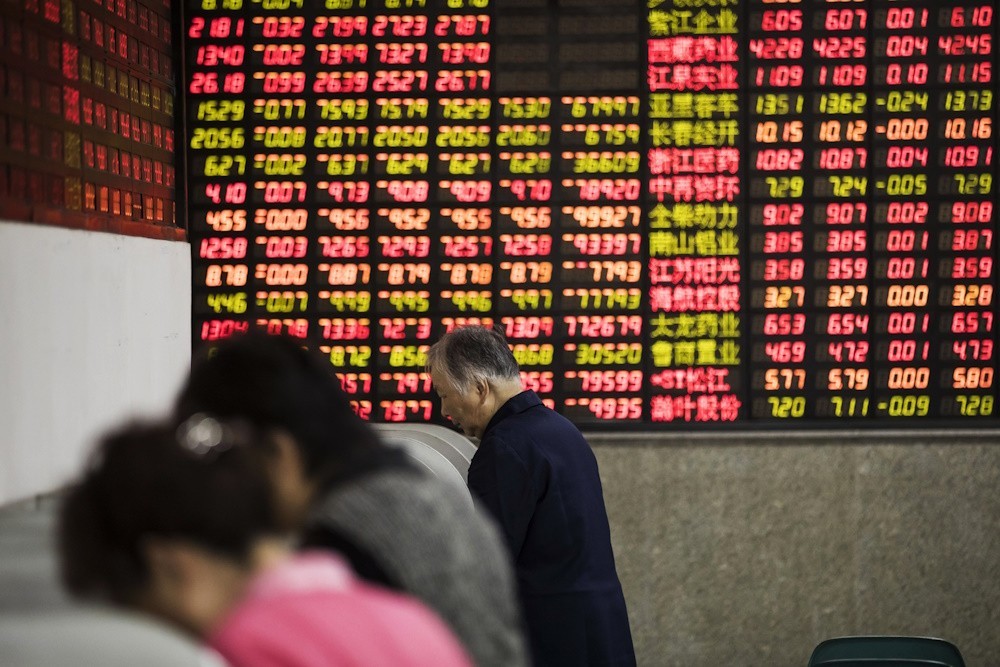
Asian shares declined on Wednesday as the moment of truth approached for a divided Federal Reserve policy board, while earnings results posed a challenge to the elevated valuations in the AI sector. As the majority of assets remain immobilized under the scrutiny of the Federal Reserve, focus shifted to a notable decline in the Japanese yen and the relentless rise of silver prices, both of which reached unprecedented heights. The futures market shows a strong belief that the Fed will reduce rates by a quarter point to 3.50-3.7 percent later today, assigning it an 89 percent probability. However, it also presumes that the guidance will be hawkish, suggesting only a 21 percent likelihood of a move in January. The outcome will largely hinge on the number of “dot plot” forecasts from Fed members indicating one, two, or no further cuts in the coming year. Analysts also suspect that at least two of the 12 voters may dissent against an easing, placing Chair Jerome Powell in a challenging position. “Powell will likely convey that the threshold for future cuts has increased and clarify the reasons behind the opposition from some participants,” noted David Mericle. “However, the Fed must avoid constraining itself excessively – particularly given that we are two employment reports behind – as a cut in January might ultimately prove to be suitable.”
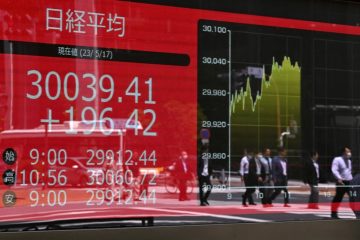
The November payrolls report has been postponed to December 16 due to the government shutdown, with inflation figures expected two days thereafter. Debt markets may experience a positive turn if the analysts at BofA are correct and the Fed reveals intentions to begin purchasing Treasury bills from January to prevent a liquidity squeeze. At this moment, equity investors prioritized caution over bravery, maintaining a low level of trading activity. Japan’s Nikkei began on a positive note but quickly declined by 0.5 per cent, whereas South Korea experienced a loss of 0.4 per cent. MSCI’s broadest index of Asia-Pacific shares outside Japan declined by 0.1 percent, following a 0.8 percent drop in Chinese blue chips amid mixed inflation data. Consumer price inflation rose to an annual 0.7 per cent in November, yet experienced a decline for the month itself, while producer prices continued to be entrenched in deflation.
EUROSTOXX 50 futures remained unchanged, whereas FTSE futures declined by 0.3 percent and DAX futures decreased by 0.2 percent. S&P 500 futures fell by 0.1 percent, while Nasdaq futures decreased by 0.2 percent in anticipation of significant earnings reports from tech giants Oracle and Broadcom. “What they detail on capex intentions and future funding plans could resonate across the AI space, and there are clear risks they could miss on cloud infrastructure,” said Chris Weston. “The options market is pricing an earnings-day move of around -/+10 percent, indicating that outsized volatility is certainly anticipated.” In anxious bond markets, 10-year Treasury yields remained steady for the moment at 4.187 percent, having risen from a low of 3.962 percent in just nine sessions. A breach of 4.201 per cent chart support could lead to a surge towards 4.535 per cent, underscoring the significance of the Fed’s outlook. The increase in yields has supported the dollar, further aided by a widespread sell-off in the yen overnight, seemingly propelled by momentum-tracking funds.
The euro experienced significant gains, reaching an unprecedented high of 182.64 yen, while the pound achieved levels not witnessed since mid-2008, hitting 208.95 yen. The dollar was positioned at 156.75 yen, reflecting a 0.5 percent increase on Tuesday, and showed slight strength against a range of currencies at 99.234. Silver once more took the spotlight in commodities, surpassing the $60 threshold to achieve a historic $61.02 per ounce. The price of the metal has more than doubled this year, driven by dwindling inventories and a bullish trend that attracted demand from momentum funds. The Silver Institute industry association noted in a research report that there is an increasing real demand from sectors such as solar energy, electric vehicles and their infrastructure, as well as data centres and artificial intelligence. Gold remained steady at $4,212 an ounce, after reaching a high of $4,381 in October. Oil prices stabilized after experiencing a decline earlier in the week, following Iraq’s resumption of production at Lukoil’s West Qurna 2 oilfield, recognized as one of the largest globally. Brent increased by 0.2 percent to $62.07 a barrel, while U.S. crude also rose by 0.2 percent to $58.39 per barrel.