Asian Equities Dip Ahead of Crucial Nvidia Earnings
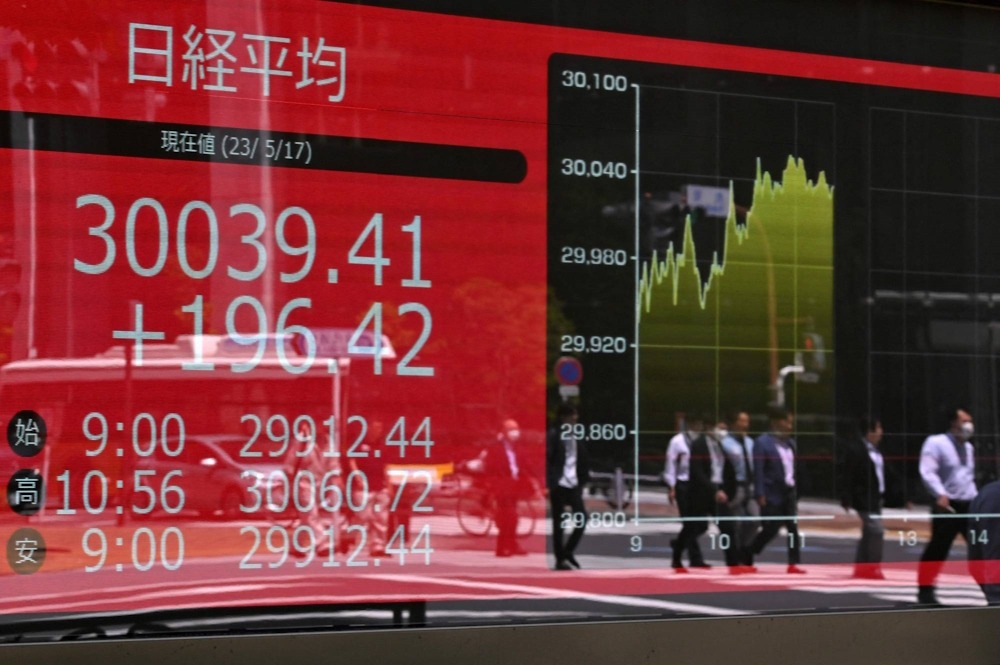
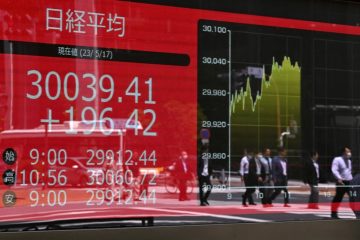
Asian equities faced challenges on Wednesday as concerns regarding AI valuations dampened investor sentiment in anticipation of an earnings update from chip giant Nvidia. The tech-heavy Nasdaq experienced a decline of 1.2 percent overnight, marking its second consecutive day of losses. Valuation jitters have caused a decline of over 6 percent from a record peak reached in late October. S&P 500 futures and Nasdaq 100 futures hovered near unchanged levels in the morning hours in Asia. Japan’s Nikkei experienced a modest increase of 0.4 per cent, while South Korea’s Kospi saw a decline of 0.8 per cent. Nvidia, the company that provides the graphics processing units essential for artificial intelligence, has been central to a rally that has propelled stock markets globally to unprecedented heights, benefiting any stock with even the slightest connection to AI. It reports after market close in the US and is anticipated to show a 56 per cent increase in its fiscal August-October quarter revenue, reaching $54.92 billion, based on data. “It looks like Nvidia’s stock price has been priced for perfection, so GPU demand must continue to grow strongly for many more years for the stock to stay up,” said Wong Kok Hoi.
At the same time, concerns are mounting regarding the likelihood of the US reducing interest rates once more in December, while investors are apprehensive that President Donald Trump’s declining approval ratings may lead to increased fiscal spending and potentially ignite inflation. That has prevented safe-haven US Treasuries from achieving gains, even as the market sentiment has deteriorated. Yields experienced a slight decline overnight, with the benchmark 10-year yield remaining steady at 4.11 percent. Markets are currently estimating a 42 per cent likelihood of a 25-basis point Federal Reserve rate cut in December, a scenario that was regarded as almost certain just a month prior. “If, and it’s an if, growth does turn down, will there be able to be as much fiscal support as there was during the pandemic or during the global financial crisis given governments’ fiscal positions are significantly worse now?” stated Rob Subbaraman.
In Japan, apprehension regarding escalating government spending initiatives has led to a decline in long-end bonds and a surge in yields to unprecedented levels. A 20-year auction scheduled for Wednesday is expected to attract significant attention, as benchmark 10-year yields have reached a 17-year high of 1.765 percent. Mood-barometer Bitcoin has shown a modest recovery from its recent decline to a seven-month low on Tuesday, now trading at $92,000. That figure remains 27 per cent lower than the record high observed in October. “BTC has erased this year’s gains and then some, meaning anybody who acquired in the past 10 months is underwater,” said Justin d’Anethan. “However, I do not believe this marks the onset of a bear market; rather, it is a response to declining equities, unmet expectations for rate cuts, and the unwinding of leverage.”
Foreign exchange markets remained largely stagnant, as buyers shifted towards dollars. The yen was pressured at 155.45 per dollar, approaching levels where officials have cautioned about potential intervention. The euro remained steady at $1.1582, while the Australian and New Zealand dollars experienced a slight decline in morning trading. Gold, which reached record highs alongside stocks in October, has also experienced a decline, nursing losses at $4,066 on Wednesday. Brent crude futures declined by 35 cents, settling at $64.51 a barrel. Soybeans have reached a 17-month high following significant purchases of US supplies by China.