Asia Shares Drop on Hormuz Tensions
On Thursday, shares in Asia experienced a decline as oil prices surged following reports of additional ships being struck in the Strait of Hormuz and Iraqi waters. This development is contributing to rising inflation and increasing borrowing costs globally. US crude increased by 7.5 percent to $93.80 a barrel, recovering from an overnight decline of 11 percent. Brent crude futures surged 7.7 percent to $99.03 a barrel. That occurred despite the International Energy Agency’s plans to release 400 million barrels of oil from its reserves, marking the largest such action in its history. The US announced its intention to release 172 million barrels of oil starting next week, in alignment with the IEA plan. According to Iraqi security officials, two fuel tankers in Iraqi waters were hit by explosive-laden Iranian boats early on Thursday. An Iraqi official informed state media that oil ports “have completely stopped operations. Multiple tankers loaded with Iraqi crude are now reported burning in the Persian Gulf off the coast of Basra, engulfed in flames and leaking burning oil into the water,” said Tony Sycamore. This seems to signify a direct and assertive reaction from Iran to the IEA’s overnight declaration regarding a substantial strategic reserve release intended to stabilize soaring prices.
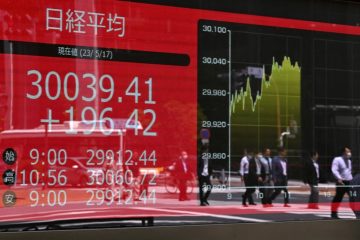
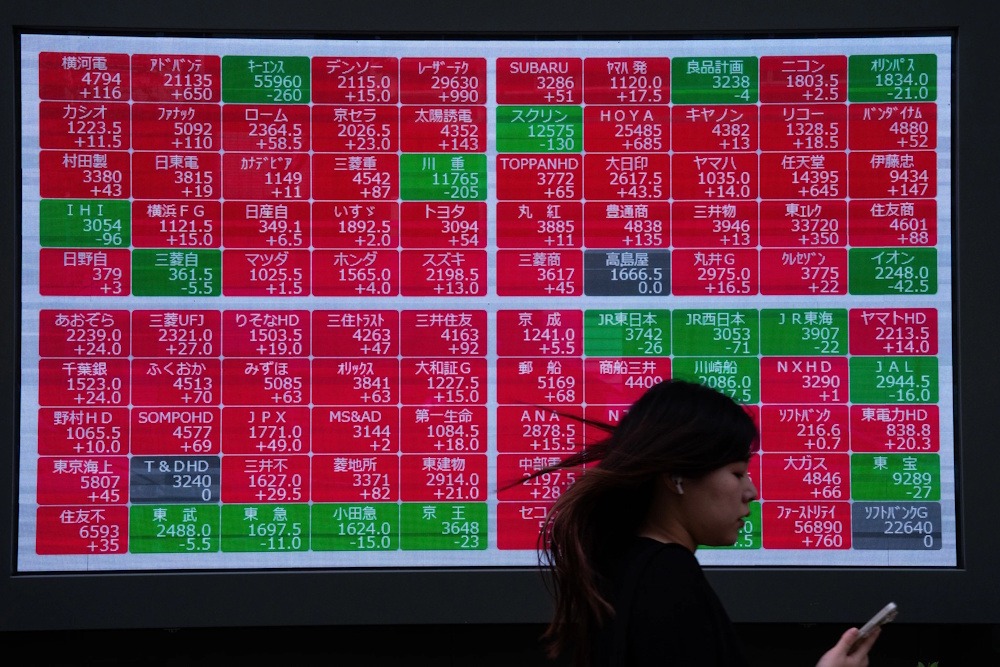
Iran had previously intensified assaults on merchant vessels in the Strait of Hormuz, warning the global community to prepare for oil prices reaching $200 a barrel. On Wednesday, three vessels were reported to have been struck in Gulf waters, as Iran’s Revolutionary Guards announced that their forces had engaged ships in the Gulf that had failed to comply with their directives. US President Donald Trump on Wednesday proclaimed that the war on Iran has been won, yet he will remain engaged to complete the task, adding further uncertainty to the situation. The impact of all this was detrimental to shares. MSCI’s broadest index of Asia-Pacific shares outside Japan declined by 0.8 per cent, while the Nikkei experienced a drop of 1.6 per cent, reflecting Japan’s status as a significant importer of oil and gas. Both S&P 500 futures and Nasdaq futures experienced a decline of 0.8 percent. In Europe, EUROSTOXX 50 futures experienced a decline of 0.6 per cent, while DAX futures dropped by 0.8 per cent.
US data indicated that the consumer price index rose 0.3 percent in February, aligning with forecasts and surpassing January’s 0.2 percent increase. However, this information has been overshadowed by the inflationary pressures stemming from the Iran war. In bond markets, the threat of increasing inflation overshadowed safe-haven considerations, leading to a rise in yields worldwide. On Thursday, yields on 10-year Treasury notes increased by 4 basis points to 4.2472 percent, following a rise of 6 basis points overnight. Fed funds futures continued their decline as investors expressed concerns that rising inflation would complicate the Federal Reserve’s ability to ease policy. Markets are simply betting on an additional rate cut from the Fed this year. The threat posed by energy-driven inflation has prompted markets to speculate that the next adjustment in rates from the European Central Bank may be an increase, potentially occurring as soon as June.
Nervous investors turned to the liquidity of dollars, avoiding currencies from nations that are net energy importers, such as Japan and much of Europe. The euro declined 0.3 per cent to $1.1536, following a close at its lowest level since November of the previous year. The dollar edged up 0.1 percent to 159.12 yen, marking its strongest level since January, when reported rate checks from the US Fed unsettled yen bears. The risk-sensitive Australian dollar declined by 0.4 per cent to $0.7127, after reaching a more than three-year high of $0.7188 on Wednesday, fueled by increasing speculation regarding an imminent rate hike from its central bank.