Tesla’s $20 Billion Bet on Musk’s AI Vision
Tesla Inc. is set to invest $20 billion this year to refine its electric-vehicle lineup and redirect resources towards robotics and AI, marking a significant shift in the company’s focus away from its origins as an automobile manufacturer. The capital expenditure plans announced on Wednesday – approximately double what market anticipated – will facilitate production growth at several factories, enhance the emerging robotaxi sector, and develop AI infrastructure. Tesla has announced its intention to phase out the Model S and X vehicles, reallocating that production capacity to the development of Optimus humanoid robots. “We’re making very, very big investments,” Chief Executive Officer Elon Musk stated during a conference call following Tesla’s release of fourth-quarter results. The dramatic moves encompass a new agreement to invest $2 billion in Musk’s xAI startup, alongside discussions regarding the potential establishment of a semiconductor manufacturing facility. They highlight Tesla’s aspirations to pivot towards artificial intelligence, autonomous technology, and robotics, prioritizing these areas over its car-selling operations, which have experienced two years of downturn and are poised for further difficulties in 2026.
Investors have largely backed the reinvention, despite the fact that many of the new business lines are still distant and uncertain prospects. On Wednesday’s call, neither the slump in EV sales nor Tesla’s earnings beat garnered significant attention. “This quarter officially marks the fundamental shift from EV company to an all-in bet on robotaxi, energy and Optimus,” stated Andrew Rocco. “It appears they are nearing the point of removing the Band-Aid on the EV business and fully committing to autonomy.” The shares increased by 1.2% at 7:03 p.m. During extended trading in New York. The stock surged to unprecedented levels last year, even as it lagged behind the wider market. Tesla has finalized an agreement this month to acquire preferred shares as part of xAI’s latest funding round, as stated in the company’s fourth-quarter earnings statement. The companies have also established a “framework agreement” aimed at fortifying their relationship and “enhancing Tesla’s ability to develop and deploy AI products and services into the physical world.” The investment underscores the strengthening connections between Musk’s business ventures and emphasizes the increasing emphasis on AI. “The xAI agreement will likely be welcomed by many investors and overshadow the earnings results,” said Matt Maley. “If Tesla is going to do as well as the bulls are thinking, it’s going to be with the robotaxi and robotics,” Maley stated. “So, this investment is precisely what the bulls were hoping to hear.”
While Musk has previously expressed support for Tesla to invest in xAI, the decision comes as a surprise following an unsuccessful shareholder vote at the carmaker’s November annual meeting, which appeared to cast doubt on future prospects. A greater number of Tesla’s shareholders expressed support for a nonbinding measure advocating for such an investment; however, a significant number of abstentions resulted in the measure failing to pass. Tesla stated at that time that it would persist in examining the potential. The two companies, each under Musk’s leadership, are already collaborating. Tesla has sold its Megapack energy storage system to xAI, and xAI’s Grok chatbot is now integrated into certain Tesla vehicles. It is also reported that xAI informed investors that its goals include developing AI that will ultimately drive humanoid robots like Optimus. Tesla reported that adjusted earnings per share were 50 cents in the quarter, which is five cents above the average of analyst estimates, as stated on Wednesday. The results interrupt a sequence of four quarters during which profit fell short of expectations. Tesla is facing challenges with decreasing demand for electric vehicles and an increase in competition. Musk has previously cautioned that the company is likely to encounter challenges as it focuses on these new priority areas.
In a significant restructuring, Tesla is discontinuing the Model S, a luxury sedan priced at approximately $95,000, along with the Model X, an SUV that comes with a nearly $100,000 price tag. The two are vehicles with lower production numbers in contrast to Tesla’s more affordable Model 3 and Model Y. The profit beat serves to mitigate the disappointment arising from a consistent drop in vehicle sales: Tesla reported a 9% decrease in 2025 deliveries compared to the previous year earlier this month. The decline intensified in the fourth quarter, with deliveries falling 16% compared to the same period last year. Last year saw a bustling EV market, the conclusion of US regulator credits, and a significant backlash against Musk’s divisive politics and his involvement in the Trump administration. Sales from regulatory credits decreased by 22% in the fourth quarter compared to the previous year, indicating that a once lucrative revenue stream is diminishing. The company collects payments from competitors that surpass federal fuel economy standards. The income has decreased following the Trump administration’s removal of penalties for automakers that did not comply with the standards. For the first time, Tesla’s 2025 revenue has declined, attributed to a decrease in regulatory credit revenue and a drop in vehicle deliveries.
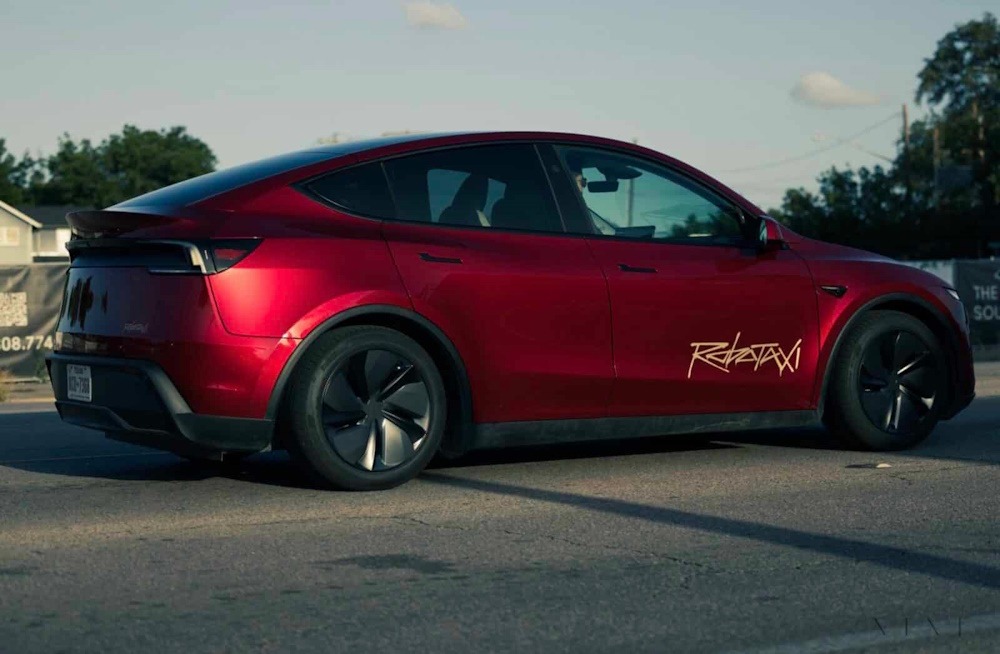
In a separate announcement, the company disclosed that it has reached 1.1 million active subscribers for its Full Self Driving driver assistance software, marking an increase of nearly 40% compared to the previous year. The software, which is not yet deemed autonomous and necessitates ongoing human oversight, will transition to a subscription-only model beginning February 14. Tesla announced on Wednesday its intention to broaden its emerging robotaxi operations to include Dallas, Houston, Phoenix, Miami, Orlando, Tampa, and Las Vegas within the first half of this year. The business has been gradually expanding, yet it has also fallen short of several anticipated timelines. Tesla initiated its automated rideshare operations in Austin in June. This month, Tesla commenced the deployment of “a few” robotaxis operating without human driver supervision in Austin. The intention is to gradually extend this to the entire fleet in Austin. The vehicles have previously functioned with human safety supervisors occupying the front seats. The milestone has been eagerly awaited, with Musk having assured that it would arrive by late last year. The company additionally provides a rideshare service through the same app in the San Francisco Bay Area, which does not qualify as autonomous and features drivers seated in the front. The service has also obtained permits to conduct tests in Nevada and Arizona.