Corporate America’s latest activist? The US Government.
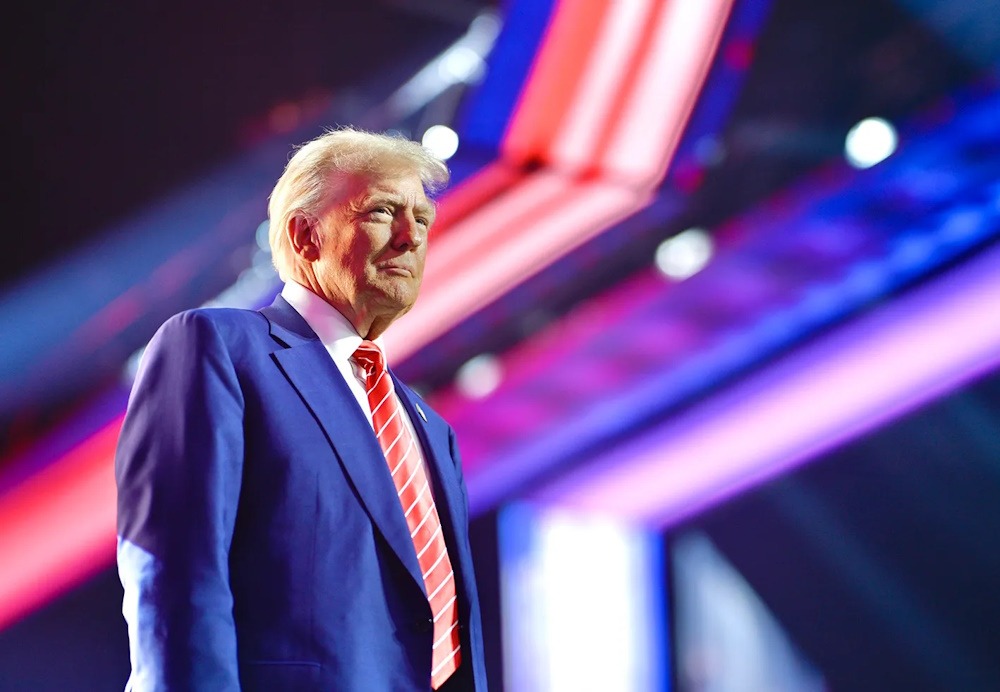
Corporate America has established mechanisms to counteract the influence of figures such as Carl Icahn, Nelson Peltz, and other corporate raiders who have challenged chief executives, advocating for increased stock valuations. Currently, corporations face an additional stakeholder of concern: the President of the United States.
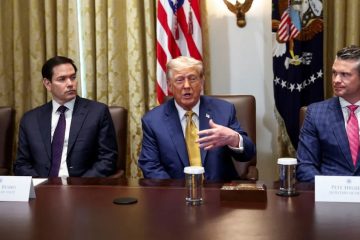
President Donald Trump has engaged the government in US companies in remarkable manners, such as acquiring a stake in US Steel and advocating for a reduction in Nvidia’s and Advanced Micro Devices’ revenue derived from China. Last month, the Pentagon announced its decision to acquire a 15 per cent stake in MP Materials, a prominent American miner specializing in rare earths. On Friday, Intel reached an agreement with the US government to permit a 10 percent equity stake in its operations, valued at $8.9 billion.
These developments may indicate a transition from the highly regarded free-market system in America to a model that, in certain respects, aligns more closely with state-managed capitalism, a phenomenon often observed in Europe and, to varying extents, in China and Russia, according to insights from lawyers, bankers, and academics well-versed in the historical context of hostile takeovers and international business. The recent actions are prompting Wall Street’s bankers and lawyers to mobilize in order to assist companies in developing strategies to either defend against or mitigate the impact of Trump.
“Virtually every company I’ve talked to which is a regular recipient of subsidies or grants from the government is concerned about this right now,” said Kai Liekefett, co-chairman of the corporate defense practice at the law firm Sidley Austin, in an interview. The Trump administration is actively exploring a range of companies that may be suitable for various forms of government intervention, according to three individuals familiar with the discussions.
However, analysts indicate that Trump’s initiative is distinct from, and more assertive than, previous efforts observed in the United States. The firms he is focusing on are not on the brink of failure, nor would their downfall, unlike the banks during the financial crisis, trigger a series of occurrences that might result in worldwide economic devastation. “America has always been wary about the line between public and private enterprise,” stated Jonathan Levy, a historian and professor at Sciences Po in Paris and author of “Ages of American Capitalism: A History of the US.”