WHO Plans to Slash Over 2,000 Jobs by Mid-2026 Following US Withdrawal
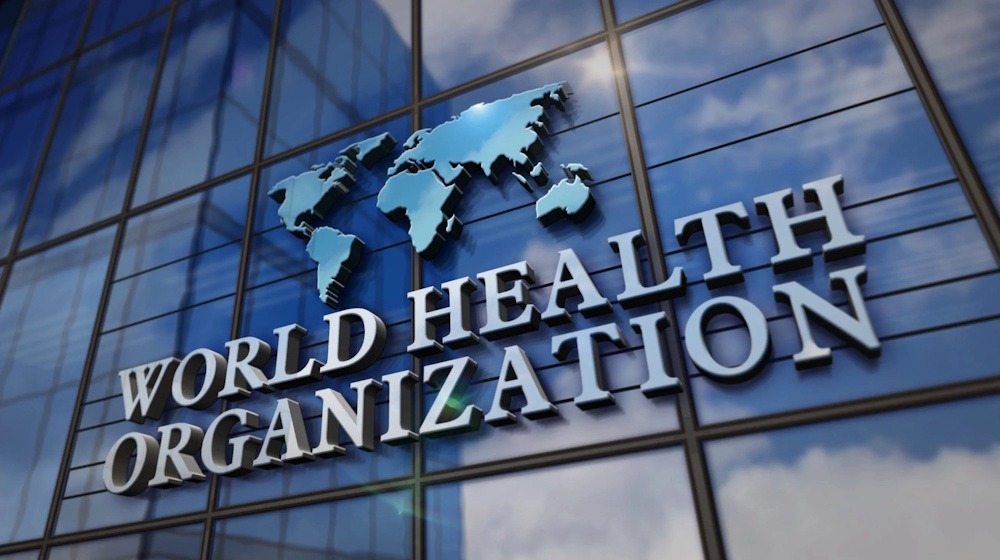
The World Health Organization announced that it will reduce its workforce by nearly 25 percent, amounting to over 2,000 positions, by the middle of next year, according to the reports. The downsizing is part of a broader restructuring initiative following the US’s decision to withdraw as its largest contributor. Following the inauguration of US President Donald Trump in January this year, his administration made the decision to withdraw from the WHO, leading the agency to reduce its operations and cut its management team by fifty percent. Washington stands as the largest financial supporter of the WHO, providing nearly 18 percent of its total funding. The Geneva-based health agency anticipates a decrease in its workforce, projecting a reduction from 9,401 positions in January 2025 to 2,371 positions by June 2026.
As per reports, the reductions will encompass job cuts, retirements, and departures, according to a presentation that is set to be presented to its member states on Wednesday. The report indicated that this figure does not account for many temporary employees and consultants who, as per sources, have already been dismissed. A spokesperson for the WHO confirmed the total number of staff departures, indicating that the organisation’s workforce could potentially decrease by up to 22 per cent, contingent upon the number of vacant positions that are ultimately filled. In early August, the UN health agency announced that hundreds of staff members had left the organization. However, this marks the first occasion on which it has provided the complete extent of the anticipated changes that will affect its global workforce.
In a message to the staff, Tedros Adhanom Ghebreyesus stated, “This year has been one of the most difficult in WHO’s history, as we have navigated a painful but necessary process of prioritization and realignment that has resulted in a significant reduction in our global workforce.” He further stated that the UN agency is currently preparing to advance with a restructured and revitalized organization. The presentation revealed that the Geneva-based agency is confronting a $1.06 billion shortfall in its 2026–27 budget, approximately one-quarter of the total requirement, marking an improvement from the previously projected deficit of $1.7 billion in May.
The slides indicated that this figure does not encompass approximately $1.1 billion in expected contributions related to agreements that are still being negotiated, without offering additional details. A report citing a WHO spokesperson indicated that the proportion of the organization’s two-year budget that remains unfunded is smaller than in previous cycles. The enhancement has been linked to various elements such as a decreased overall budget, the initiation of a new fundraising campaign, and increased mandatory contributions from member states.