Volkswagen and Israel may turn vehicle manufacturing into Iron Dome hub
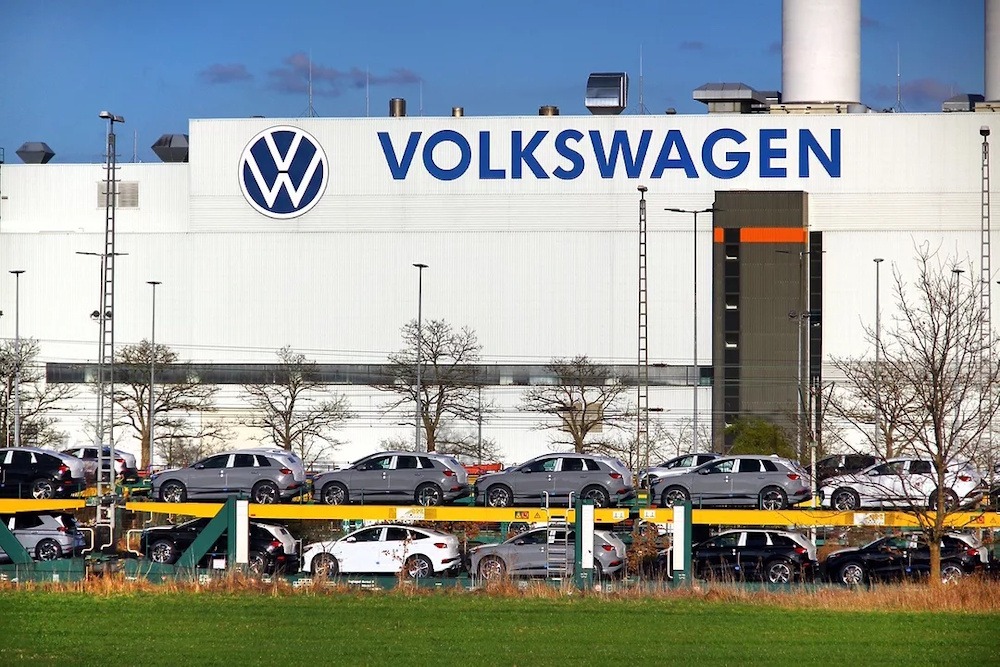
Volkswagen, the German carmaker, is reportedly in discussions with Israel’s Rafael Advanced Defence Systems to repurpose one of its factories from automobile production to the manufacture of missile defence equipment, according to the source. The Iron Dome serves as Israel’s short-range air defense system, specifically engineered to intercept rockets, artillery shells, and drones. Created by Rafael Advanced Defense Systems in collaboration with the Israel Defense Forces, this system employs radar technology to identify incoming threats and deploys interceptor missiles to neutralize those targeting populated regions. The proposal focuses on Volkswagen’s Osnabruck plant in Lower Saxony, which has faced challenges stemming from declining demand and ongoing restructuring efforts. Under the proposed partnership, the Osnabruck facility would be repurposed to manufacture parts for Israel’s Iron Dome air defense system. The facility is set to manufacture essential elements, including robust trucks designed to transport missile systems, launchers, and power generators. However, the news report indicated that it would not manufacture the missiles themselves.
The transition would not necessitate substantial new investment. The report cited an individual stating that the transition to defence production would be “relatively straightforward” and has the potential to integrate established defence technology with Germany’s manufacturing prowess. If approved, production could commence within a timeframe of 12 to 18 months, contingent upon workers’ agreement to the change. Volkswagen is already involved in military production via a joint venture between its subsidiary MAN and the defense group Rheinmetall, which manufactures military trucks. The potential impact of this decision on job preservation at Volkswagen’s Osnabruck plant The proposal’s primary objective is to safeguard employment at the ailing plant. Around 2,300 positions are currently at risk; however, the companies express optimism in retaining the entire workforce. The German government reportedly supports the plan, viewing it as an opportunity to utilize idle industrial capacity while enhancing defense capabilities, according to the report.
Volkswagen has been seeking a sustainable resolution for the Osnabruck plant, where vehicle production is scheduled to conclude next year as part of a cost-reduction strategy established in 2024, according to the report. The company is also planning workforce reductions, with approximately 35,000 employees anticipated to depart by 2030, although these exits are voluntary. The suggested collaboration arises as European nations increase their defense expenditures in response to Russia’s invasion of Ukraine. Germany is set to invest more than €500 billion in defence by the end of the decade, with a particular emphasis on air defence systems. Rafael is seeking to market the Iron Dome system to European governments, notably Germany. The company has announced plans to establish a distinct facility in Germany dedicated to the manufacturing of missiles, which necessitate specialized handling.
Germany has commenced the enhancement of its air defence network, which includes the acquisition of the Arrow 3 system from Israel Aerospace Industries. While Iron Dome has demonstrated remarkable efficacy in Israel — intercepting more than 90 per cent of incoming rockets — certain experts have expressed reservations regarding its potential effectiveness in Europe, the report stated. The system is engineered to address short-range threats, boasting a range of approximately 70 km, and has mainly been deployed to intercept rockets originating from Gaza.