US intelligence says Iran won’t ease Strait of Hormuz chokehold soon
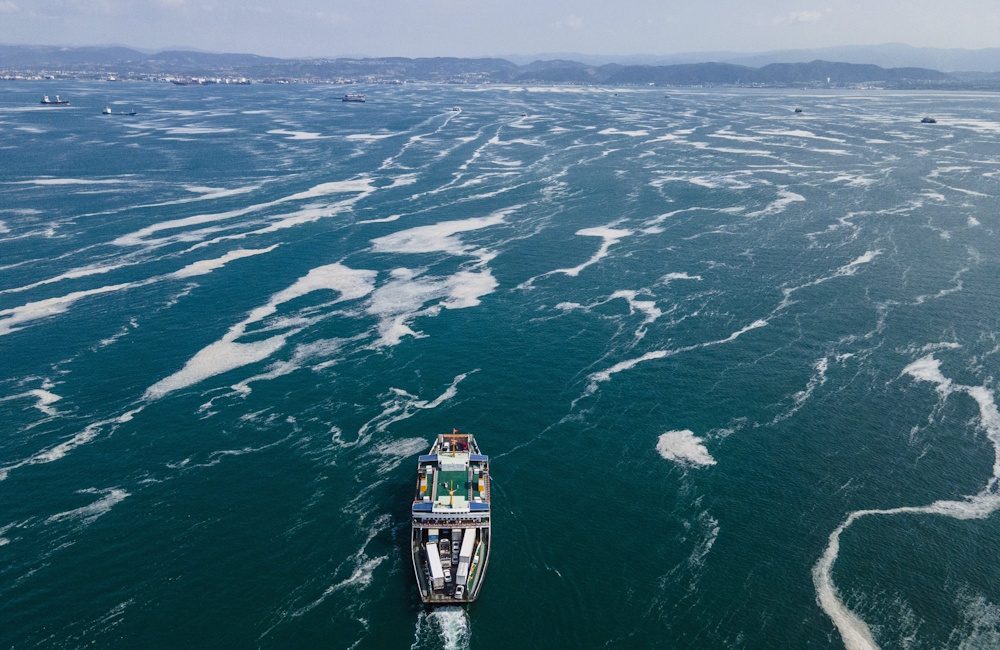
Recent US intelligence reports indicate that Iran is not expected to open the Strait of Hormuz in the near future, as its control over this critical oil passage represents the only substantial leverage it possesses against the United States, according to sources. The finding indicates that Tehran may persist in restricting access to the strait to maintain elevated energy prices, thereby exerting pressure on US President Donald Trump to seek a swift resolution to the nearly five-week-long conflict, which is increasingly viewed unfavorably by US voters. The reports further indicate that the conflict, aimed at diminishing Iran’s military capabilities, may paradoxically enhance its influence in the region by demonstrating Tehran’s capacity to threaten a crucial waterway. Trump has attempted to minimize the challenges associated with reopening the Strait of Hormuz, a critical passage that facilitates a fifth of the global oil trade. On Friday, he indicated that he might have the authority to direct US forces to reopen the passage. “With a little more time, we can easily open the Hormuz Strait, take the oil, and make a fortune,” he posted on his Truth Social platform. However, analysts have consistently cautioned that employing military force against Iran, which governs one side of the strait, may incur significant costs and potentially entangle the US in a prolonged ground conflict. “In the attempt to try to prevent Iran from developing a weapon of mass destruction, the US handed Iran a weapon of mass disruption,” said Ali Vaez.
Tehran, Vaez noted, recognizes that its capacity to influence global energy markets via its control over the strait “is much more potent than even a nuclear weapon.” Trump’s position regarding the possibility of US engagement in the reopening of the strait has evolved. On one hand, he has established the cessation of Iran’s grip as a prerequisite for a ceasefire; however, he subsequently urged Gulf oil-dependent nations and NATO allies to spearhead the initiative for its reopening. A White House official, speaking on the condition of anonymity, stated that Trump is “confident that the strait will be open very soon” and has made it clear that Iran will not be permitted to regulate waterway traffic following the conflict. However, the official pointed out that Trump has also remarked that other nations “have far more at stake in preventing this outcome” than the United States. The CIA has yet to provide a response to the request for comment. The Islamic Revolutionary Guard Corps of Iran, despite being outmatched in terms of military capability, has employed a range of strategies to render commercial transit through the waterway perilous or uninsurable, particularly following the initiation of hostilities by Trump and Israeli Prime Minister Benjamin Netanyahu on February 28.
By engaging in actions such as targeting civilian vessels and deploying mines, alongside imposing passage fees, Iran has successfully obstructed navigation through the strait. This has resulted in a significant surge in global oil prices to levels not seen in years, leading to fuel shortages in nations dependent on Gulf oil and gas supplies. Increasing energy expenses threaten to exacerbate inflation in the United States, presenting a political challenge for Trump as he contends with unfavorable polling and his Republican Party prepares for the mid-term congressional elections in November. Recent intelligence reports indicate that Iran is unlikely to relinquish that leverage in the near future, as per three sources. They refrained from providing further details regarding the agencies responsible for the assessments. “It is certainly the case that now that Iran has tasted its power and leverage over the strait, it won’t soon give it up,” remarked one of the sources. All three sought anonymity to deliberate on the intelligence reports. A military operation aimed at reopening the waterway is regarded by many experts as fraught with significant risks. The waterway delineates the boundary between Iran and Oman. The strait measures 21 miles (33 km) at its narrowest point; however, the shipping lane is restricted to a mere 2 miles (3 km) in both directions, thereby rendering vessels and military forces vulnerable to attack.
Experts suggest that even if US forces were to capture the southern Iranian coast and islands, the IRGC could still launch attacks and retain control over the waterway through the use of drones and missiles deployed from within Iran’s interior. “All it takes to disrupt traffic and deter vessels from passing through is one or two drones,” stated Vaez. Some experts indicated that even post-conflict, Iran is improbable to relinquish its capacity to control traffic through the strait, as it will require reconstruction efforts, and imposing fees on commercial shipping passage could serve as a method for generating funds for rebuilding. Tehran “is going to look to maintain the leverage that they have rediscovered by disrupting traffic” through the strait, former CIA Director Bill Burns stated. Iran, he stated, will seek to leverage its capacity to control the waterway to secure “long-term deterrence and security guarantees” in any peace agreement with the US and to obtain “some direct material benefits” such as charging passage fees to support its post-war recovery. That, he stated, establishes a particularly challenging negotiation at this moment.