Social Media Backlash Hits Chinese Restaurants for Using Pre-Made Food
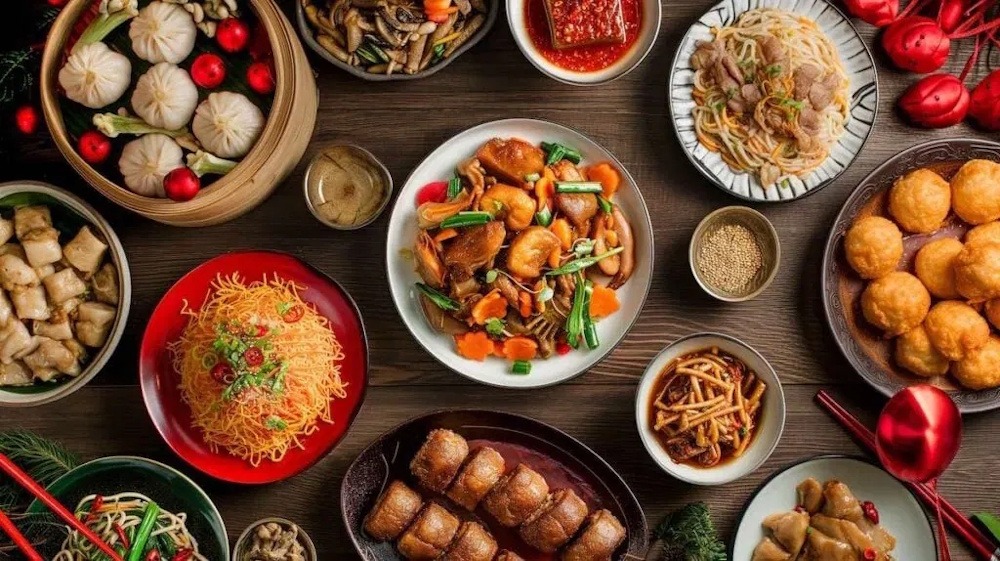
China’s ‘super golden week’, a unique convergence of the National Day and Mid-Autumn Festival holidays, has been overshadowed by a controversy surrounding pre-made food. The initial grievance of one influencer has sparked a nationwide discussion regarding transparency, food quality, and the economic factors that are transforming the dining landscape in post-pandemic China. A report indicates that the uproar commenced on September 10 when influencer Luo Yonghao, recognized for his candid social media commentary, accused the well-known Xibei restaurant chain of offering “disgusting” pre-made meals at elevated prices. His post garnered millions of views and sparked demands for mandatory menu labeling of non-freshly made dishes.
Jia Guolong stated that the chain exclusively utilizes “semi-processed” ingredients and has made its kitchens at nearly 400 outlets open for public inspection. However, videos depicting other restaurants utilizing frozen or packaged products rapidly gained traction, intensifying the online outrage. According to the reports, China’s catering industry generated 3.6 trillion yuan ($505.2 billion) from January to August 2025, reflecting a modest increase of 3.6 percent compared to the previous year. That indicates a deceleration from the 6.6 percent growth observed in 2024 and the 19.4 percent in 2023, suggesting a decline in consumer spending. This year’s National Day holiday, typically a peak period for restaurants, coincides with the Mid-Autumn Festival, resulting in an extended eight-day break that was expected to enhance sales. Instead, numerous chains are apprehensive that backlash might impact profits as social media continues to be filled with criticism. Facing mounting pressure, Xibei has reportedly reduced prices by 20–40 per cent at its outlets to appease consumers, as confirmed by the South China Morning Post. The company is also appealing to diners’ financial sensibilities to regain trust in the face of narrowing margins.
Meanwhile, the popularity of pre-made meals continues to grow. China Fortune Securities reports that per capita consumption increased from 5.4 kg in 2013 to 9.1 kg in 2022, with the market valued at 475.7 billion yuan ($66.8 billion) this year. Public distrust has revealed significant regulatory gaps. A notice from the State Administration for Market Regulation in March 2024 defined pre-made food as “pre-packaged products made from agricultural ingredients” that require heating before eating. However, there are currently no binding labeling or safety standards in place. In response to the public outcry, China’s State Council Food Safety Office announced on September 21 that it would expedite the establishment of national standards and labelling rules, though no specific timeline was provided. Polls indicate a profound level of scepticism. A recent survey revealed that one-third of 70,000 respondents stated they would never consume pre-made food, while more than 40 percent called for clearer labelling. For some, the transition is leading to the closure of restaurants.
“I visited a restaurant recently and discovered that many freshly cooked dishes had already been depleted. “Only pre-made dishes remained,” remarked Guangzhou diner Qiu Rui. “Honestly, it’s no surprise it was shutting down.” For restaurateurs, pre-made dishes serve as a crucial strategy in the face of declining consumption and rising labor costs. “Shifts in Chinese households and the economy mean pre-made dishes will only grow more popular,” said Wu Yi. “Chains require consistency and cost management; younger consumers favor convenience.” However, the backlash reveals a delicate relationship of trust between consumers and businesses. Wu remarked, “What consumers really resent isn’t pre-made dishes, but paying premium prices for them.”