JPMorgan Closes Trump’s Accounts Post-Jan 6 Attack
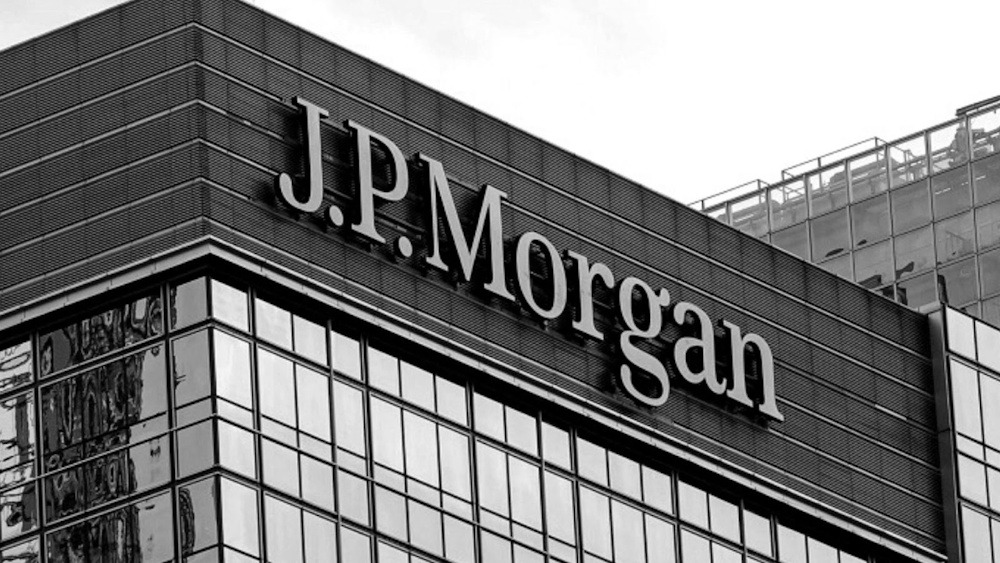
JPMorgan Chase has confirmed for the first time that it closed the bank accounts of President Donald Trump and several of his businesses in the political and legal aftermath of the January 6, 2021 attacks on the US Capitol, marking the latest development in a legal saga surrounding the contentious practice of “debanking.” This week, a court filing revealed the acknowledgment in Trump’s lawsuit against the bank and its leader, Jamie Dimon. The president has initiated a lawsuit for $5 billion, claiming that the closure of his accounts was politically motivated, thereby hindering his business activities. “In February 2021, JPMorgan informed Plaintiffs that certain accounts maintained with JPMorgan’s CB and PB would be closed,” JPMorgan’s former chief administrative officer Dan Wilkening wrote in the court filing. The “PB” and “CB” refer to JPMorgan’s private bank and commercial bank.
Up to this point, JPMorgan has not acknowledged that it closed the president’s accounts, instead opting to discuss the topic in hypothetical terms regarding the circumstances and rationale behind account closures. Trump initially filed a lawsuit against JPMorgan in a Florida state court, the location of his primary residence at present. JPMorgan Chase is seeking to relocate the case to New York, the location of the bank accounts and where Trump maintained a significant portion of his business operations until recently. Trump alleges that the bank engaged in trade libel and charges Dimon with breaching Florida’s Unfair and Deceptive Trade Practices Act. In the initial lawsuit, Trump claims he attempted to address the matter directly with Dimon following the bank’s decision to close his accounts, and that Dimon guaranteed Trump he would investigate the situation. The lawsuit claims that Dimon did not pursue further communication with Trump.
Additionally, Trump’s legal team claims that JPMorgan has put the president and his businesses on a reputational “blacklist,” which is utilized by both JPMorgan and other financial institutions to prevent clients from establishing accounts with them in the future. JPMorgan has asserted that it believes the suit lacks merit. Debanking takes place when a bank terminates a customer’s accounts or declines to engage in business with a customer regarding loans or other services. Once a relatively obscure issue in finance, debanking has emerged as a politically charged topic in recent years, with conservative politicians asserting that banks have discriminated against them and their affiliated interests.”In a devastating concession that proves President Trump’s entire claim, JPMorgan Chase admitted to unlawfully and intentionally de-banking President Trump, his family, and his businesses, causing overwhelming financial harm,” the president’s lawyers said in a statement.
President Trump is advocating for individuals who have been unjustly debanked by JPMorgan Chase and its associates, and he is committed to ensuring that this case reaches a fair and appropriate resolution.” Debanking first emerged as a national concern when conservatives alleged that the Obama administration was exerting pressure on banks to cease providing services to gun stores and payday lenders through “Operation Choke Point.” Trump and other conservative figures have claimed that banks severed their access to accounts citing “reputational risk” following the January 6, 2021, attack on the US Capitol. Since Trump returned to office, the president’s banking regulators have taken action to prevent banks from citing “reputational risk” as a justification for denying service to customers. This marks yet another lawsuit filed by Trump against a major bank, claiming that he was unjustly debanked. The Trump Organization initiated legal action against credit card giant Capital One in March 2025, citing comparable reasons and allegations. The case remains active.