Foreign hacker stole Epstein probe materials from FBI server in 2023
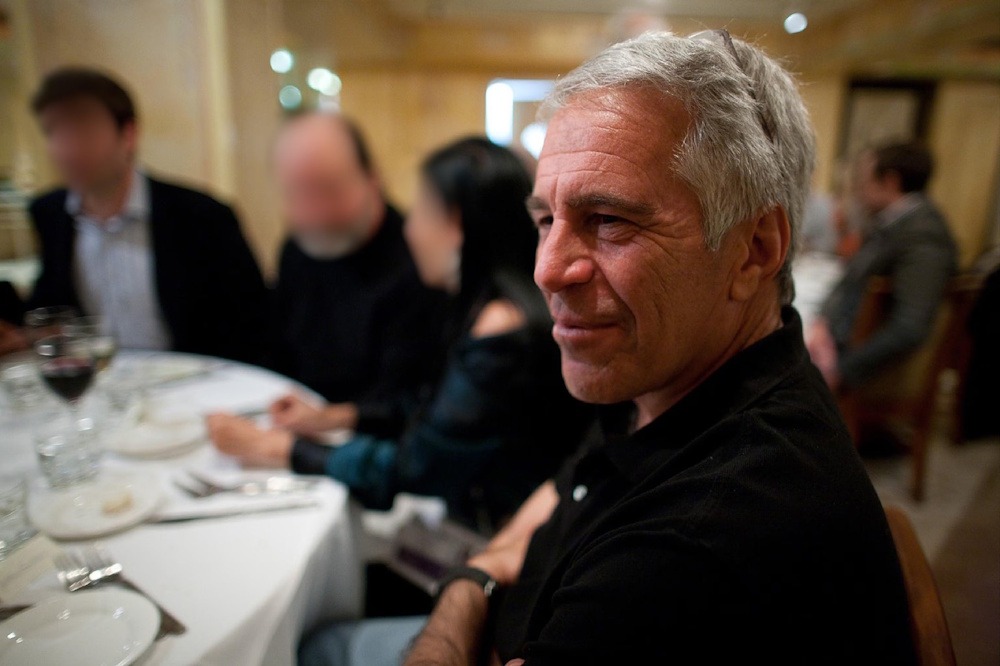
A foreign hacker breached files connected to the FBI’s investigation of the late sex offender Jeffrey Epstein during an intrusion at the bureau’s New York Field Office three years ago, as reported by a source. The specifics regarding access to a server at the FBI’s New York Field Office, including claims of foreign hacker involvement, are being disclosed here for the first time. In a statement, the FBI characterized what it referred to as a “cyber incident” as “an isolated one. “The FBI limited access to the malicious actor and corrected the network. The investigation is still in progress, and therefore, we are unable to offer additional comments at this moment.” While the source indicated that the intrusion seemed to have been executed by a cybercriminal instead of a foreign government, the incident highlights the files’ potential intelligence value, according to one academic. The legally mandated publication of US Justice Department documents has revealed the deceased financier’s connections to influential figures in politics, finance, academia, and business, prompting investigations in various countries worldwide. “Who wouldn’t be going after the Epstein files if you’re the Russians or somebody interested in kompromat?” said Jon Lindsay.
If foreign intelligence agencies are not considering the Epstein files as a significant target, then I would be astonished. Epstein, a longtime associate of President Donald Trump, pleaded guilty in 2008 to prostitution charges, including soliciting an underage girl. In 2019, he was discovered hanged in his jail cell, a case that was determined to be a suicide, following his arrest on federal charges related to the sex trafficking of minors. A server at the Child Exploitation Forensic Lab in the FBI’s New York Field Office was inadvertently left vulnerable by Special Agent Aaron Spivack, who was attempting to navigate the bureau’s complex procedures for handling digital evidence, according to the source and the documents. A timeline authored by Spivack and featured in the extensive collection of Epstein documents made public earlier this year indicated that the break-in occurred on February 12, 2023. The next day, Spivack turned on his computer and found a text file alerting him that his network had been compromised, as stated in that document.
Further investigation revealed traces of unusual activity on the server, the document stated, noting that the activity “included combing through certain files pertaining to the Epstein investigation.” The timeline does not specify which particular files were accessed, whether the data was downloaded, or the identity of the hacker. Reuters was unable to determine whether there was any overlap between the affected data and the Epstein documents released earlier this year, as well as the files that are still confidential. In his statement to FBI investigators examining whether he was responsible for the breach, Spivack asserted that he was being made “a scapegoat for the intrusion” and attributed the issue to conflicting bureau policies and faulty guidance surrounding information technology. A source with knowledge of the breach indicated that the intrusion was executed by a foreign hacker who seemingly did not recognize that they had accessed a law enforcement server. A hacker voiced their revulsion regarding the existence of child abuse images on the device, leaving behind a message that threatened to report its owner to the FBI, according to the individual.
The source indicated that bureau officials managed to defuse the situation by persuading the hacker that they were indeed the FBI. This was partially achieved by inviting the hacker to a video chat, during which they displayed their law enforcement credentials in front of a web camera. Numerous documents from the Justice Department have undergone extensive redaction, while others remain entirely concealed, despite a legal requirement for their complete disclosure last year. The Trump administration asserts that it is withholding material that could compromise the identities of victims or jeopardize ongoing investigations.