Climate Disasters Cost the World Over 120 Billion in 2025
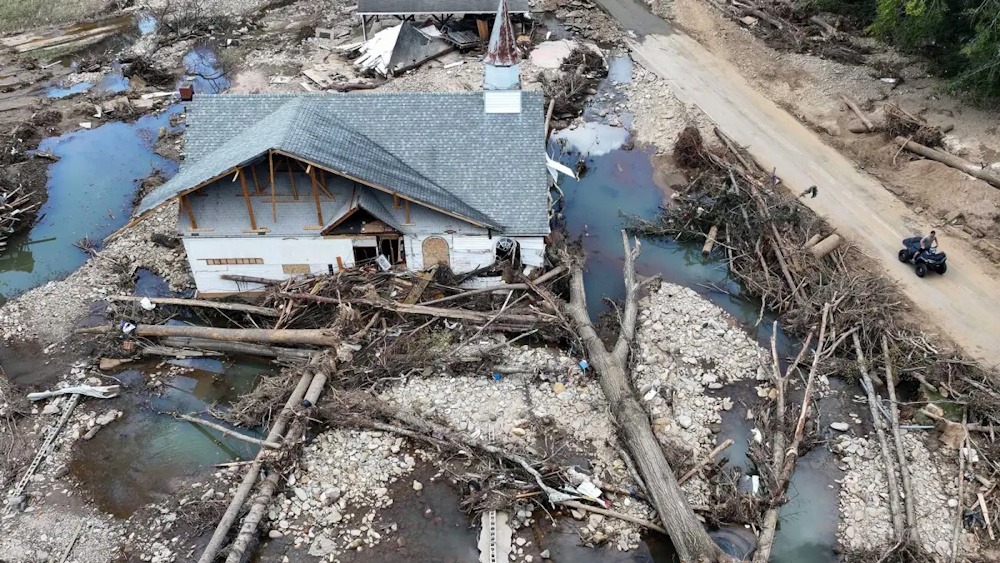
According to a new report analyzing the escalating cost of climate change, heatwaves, wildfires, droughts, and storms incurred expenses exceeding $120 billion in 2025. The report highlights the significant costs associated with fossil fuel companies, which are pivotal in exacerbating the crisis. The report highlighted that the cost of climate inaction is unmistakable, as communities persist in facing the consequences of a crisis that could have been prevented with immediate efforts to cut greenhouse gas emissions. “These disasters are not natural; they are the predictable result of continued fossil fuel expansion and political delay,” said Joanna Haigh. The ten most financially costly events each incurred damages exceeding billions, with the total combined impact surpassing $122 billion. Many of these estimates rely solely on insured losses, suggesting that the actual financial costs are probably even greater, while the human costs frequently go unrecorded.
The report also highlighted ten extreme weather events that, while not resulting in significant insured losses to rank among the top ten, were equally devastating and frequently impacted millions. These encompassed various occurrences in less affluent nations, where a significant number of individuals lack insurance and where data is not as readily accessible. “In terms of events which caused the biggest financial cost in 2025, the US bore the brunt, with the fires in California topping the list as the single biggest one-off event at $60 billion in damage and leading to the deaths of more than 400 people,” the report said. Second on the list was the cyclones and floods that struck Southeast Asia in November, resulting in $25 billion in damage and claiming the lives of more than 1,750 individuals across Thailand, Indonesia, Sri Lanka, Vietnam, and Malaysia. Third were the catastrophic floods in China, which displaced thousands, inflicted $11.7 billion in damage, and resulted in the loss of at least 30 lives. No continent was spared from crippling climate disasters in 2025, with at least one disaster in each of the six populated regions of the world making the report. “Drought in Brazil, summer wildfires in Spain and Portugal, and February cyclones in Australia and Réunion Island off the coast of Africa meant no corner of the world was spared,” it said.
Asia was responsible for four of the six most expensive disasters, with flooding in India and Pakistan resulting in over 1,860 fatalities, incurring costs of up to $6 billion, and impacting more than 7 million individuals in Pakistan alone. Typhoons in the Philippines resulted in over $5 billion in damage, displacing more than 1.4 million individuals. While the top ten emphasizes financial costs, typically elevated in wealthier nations due to higher property values and greater insurance affordability, some of the most catastrophic extreme weather events in 2025 struck poorer countries. These nations have contributed minimally to the climate crisis and possess the fewest resources to respond. Flooding events in Nigeria during May and the Democratic Republic of Congo in April had a significant impact, affecting thousands and potentially resulting in up to 700 deaths in Nigeria alone. The ongoing drought in Iran and West Asia poses a serious threat to the 10 million residents of Tehran, who may face evacuation as a result of a looming water crisis. The second list of 10 included events that were particularly unusual, such as the record-breaking heat that resulted in wildfires in the highlands of Scotland, where 47,000 hectares were burned. “Japan faced an extreme year of both heavy snowstorms and record breaking heatwaves,” it said.
Concerning climate-related extremes have also been observed in Antarctica and the world’s oceans, where record-breaking sea temperatures and coral bleaching in West Australia present significant threats to biodiversity. The report emphasized that these extreme events underscore the necessity for immediate action to cut carbon emissions and hasten the shift to renewable energy, while also highlighting the critical need for funding to support vulnerable populations. This year has once again revealed the harsh truth of climate breakdown. Violent storms, devastating floods, and prolonged droughts are disrupting lives and livelihoods. The most disadvantaged communities are the first to suffer and the hardest hit. These climate disasters serve as a stark warning of what lies ahead if we do not accelerate the transition away from fossil fuels. “They also underline the urgent need for adaptation, particularly in the global South, where resources are stretched and people are especially vulnerable to climate shocks,” said Patrick Watt.