AI is changing combat as US hits targets at historic speed
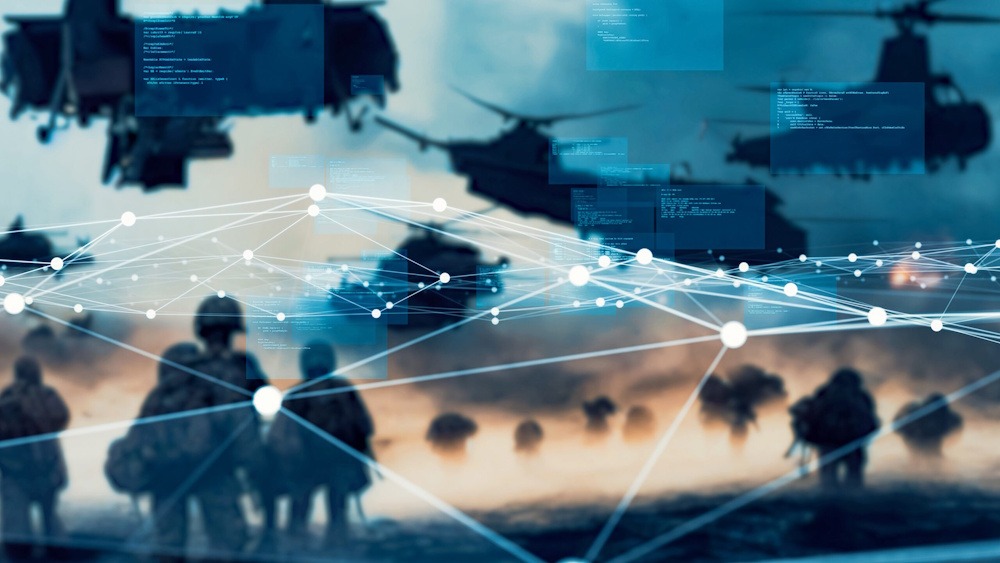
Artificial intelligence is swiftly reshaping the strategies and tactics of contemporary warfare. The ongoing conflict in West Asia has underscored this transformation, as the United States military has employed AI-driven systems to analyze vast amounts of battlefield data and expedite operational decisions. The Pentagon reported that US forces targeted over 2,000 sites within a mere four days of the campaign, showcasing an operational tempo seldom witnessed in previous conflicts, as noted. The growing implementation of sophisticated AI tools, such as generative AI models, is enabling commanders to analyze intelligence more swiftly, pinpoint targets, and direct combat decisions in real time. This technology offers the potential for enhanced speed and efficiency in military engagements; however, it simultaneously brings forth significant concerns regarding accountability and the dangers of errors in operational contexts. The rapid pace of assaults in Iran has been partially fueled by AI systems that analyze vast amounts of intelligence gathered from drones, satellites, and surveillance sensors. These systems can analyze the data and generate potential strike options at a significantly faster pace than conventional planning methods primarily driven by human analysts.
In recent years, the US Department of Defence has broadened its implementation of AI-based technologies throughout numerous operations. Palantir’s Maven Smart System stands out as a primary platform for managing and analyzing military data. The platform, in conjunction with advanced generative AI models like Anthropic’s Claude, offers a real-time dashboard that assists commanders in interpreting intelligence and planning operations during combat, according to the report. Despite these advantages, the increasing role of AI in warfare has ignited discussions regarding the extent of human oversight necessary when machines are engaged in critical decision-making. The disagreement highlights broader apprehensions among specialists regarding the dangers of utilizing advanced generative AI technologies in active conflict areas. Recent incidents have heightened these concerns. One example highlighted by analysts is the bombing of a girls’ primary school in the southern Iranian city of Minab. The report highlighted that, although it is uncertain if AI tools were involved in the strike, the incident underscores the risks associated with mistakes in target selection or insufficient verification. Iran’s Red Crescent has reported that more than 20,000 non-military buildings have sustained damage during the campaign led by the US and Israel, which includes over 17,000 residential structures. A former senior US defence official stated that the school might have been included on military target lists for years, yet it should have been identified prior to the strike taking place. He noted that, ideally, advanced technology should assist in identifying such mistakes; however, real-world combat seldom functions as smoothly as technological models imply.
During active operations such as Operation Epic Fury in Iran, Palantir’s Maven platform is integral to the military’s “kill chain” — the process used to find, track and strike a target. The system assists in identifying potential targets, prioritizing them, recommending appropriate weapons, and assessing the outcomes of strikes. In previous conflicts, this process was significantly more gradual. Military planners frequently produced documents and awaited the review and approval of senior commanders. A defence technology expert was quoted in the news report, stating that such processes could take hours or even days. AI systems are engineered to significantly shorten that timeline, potentially cutting decision cycles down to mere minutes or even seconds. Large language models have demonstrated impressive abilities in processing and organizing complex data sets. The report included a statement from Sophia Goodfriend, who noted that these models can assist in identifying a significantly larger pool of potential targets compared to traditional methods that primarily depend on human analysis. She stated that this capability enables militaries to perform aerial targeting at speeds and scales that were not achievable before.
The integration of AI into the US military has rapidly expanded. In May 2025, Vice Admiral Frank Whitworth, director of the National Geospatial-Intelligence Agency, stated that over 20,000 users from 35 military organizations were actively utilizing the Maven system in the field. Defence researchers estimate that the number of users in the United States may now approach 50,000. The North Atlantic Treaty Organisation reportedly commenced the adoption of the system in 2025. In addition to data analysis, various other applications of AI are currently employed in contemporary warfare, such as autonomous navigation systems and computer vision tools. The report cited missile expert Fabian Hoffmann from the Oslo Nuclear Project, who stated that AI image recognition could assist US and Israeli forces in locating ballistic missile launchers by analyzing drone footage. Previously, soldiers were required to spend extensive hours reviewing video footage to identify targets. AI is now capable of rapidly scanning extensive footage, enhancing detection capabilities. However, experts caution that AI could produce an overwhelming number of potential targets. This prompts questions regarding the adequacy of verification processes and the ability of human judgment to match the speed of advanced AI systems.