Trump’s global tariff battle is costing Americans
Upon his return to the White House, US President Trump has initiated a series of new import tariffs as part of a “reciprocal” trade policy. Beginning April 2, comprehensive duties were enacted on numerous nations, although certain aspects were subsequently adjusted via bilateral agreements. Recent tariffs imposed on industries such as automobiles and steel have resulted in an increase in the average effective tariff rate to 18.4 percent, marking the highest level since the 1930s, as reported by a study conducted by Yale’s Budget Lab. These duties are imposed by US importers and subsequently transferred to consumers.
A recent study conducted by Yale University has projected that the tariff policies implemented during Trump’s administration will lead to an average income decline of $2,400 per household in the near term. The distribution of the burden is not equitable. The report indicated that low-income families could experience losses of up to $1,300, whereas wealthier households might face a greater nominal decrease of approximately $5,000, though this would have a lesser effect on their overall financial stability.
Price increases are already apparent. The potential price increases for leather goods may reach 40 per cent, while clothing could see a rise of 38 per cent, and textile products might experience an increase of 19 per cent. Food prices are projected to increase by an average of 3.4 percent, with fresh produce experiencing a surge of up to 7 percent. The Yale report indicated that vehicle prices may rise by 12.3 percent, resulting in an additional cost of nearly $6,000 for a new car. In June, US consumer inflation registered at 2.7 percent, an increase from the 2.4 percent observed in May. Analysts indicate that earlier stockpiling contributed to a temporary mitigation of price increases. Recent data indicates a notable increase in the prices of goods impacted by tariffs, including appliances, books, toys, and computers.
Harvard’s Pricing Lab has identified that the prices for imports and associated domestic goods are increasing at a rate surpassing that of unaffected items, suggesting that the costs associated with tariffs are now contributing to overall inflationary pressures.
What has experienced price increases in the US during Trump’s administration?
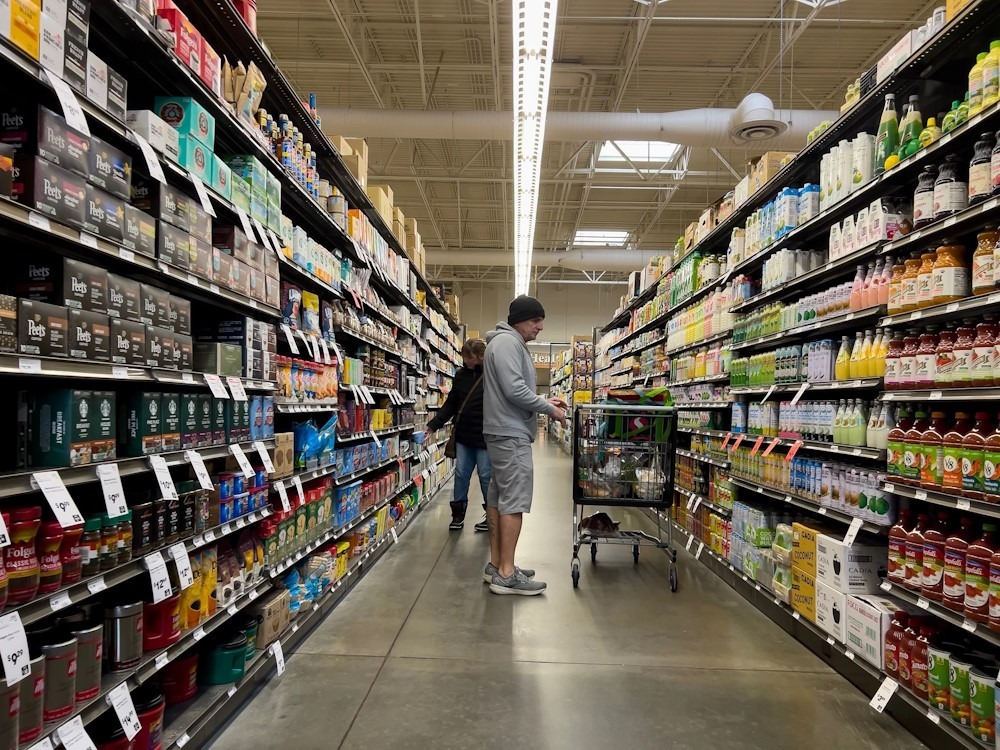
- Groceries and food: Key imported staples such as coffee, tea, bananas, avocados, seafood (including shrimp and salmon), and packaged ingredients for snacks and processed foods have seen a rise in prices, as reported by CNBC. Food costs overall have increased by 3.4 percent in the short term, with prices for fresh produce initially rising by as much as 6.9 percent before stabilizing at a level 3.6 percent higher than prior to the tariffs.
- Electronics and appliances: Products such as iPhones, predominantly produced in China, may see price increases of 30-40 per cent. Additionally, power tools, washing machines, dryers, televisions, and home electronics are all expected to become more expensive due to tariffs imposed on imported components.
- Automobiles: The prices of both imported vehicles and domestically manufactured cars, which depend on foreign components, have experienced increases. The average cost of cars may increase by 11-12 percent, resulting in an additional expense of $3,000 to $5,900 for a new vehicle.
- Toys and household items: Products such as Barbie dolls, toys, leggings, and even luxury goods like handbags have experienced significant price increases, with some toys rising by as much as 43 percent.
- Furniture, lumber, drywall: A significant portion of these building and home items is imported from Asia, and they are experiencing notable price increases.
The Yale study cautioned that if existing tariffs remain in place, US GDP growth may decline by 0.5 percentage points in 2025-26, accompanied by an anticipated loss of 500,000 jobs by the conclusion of this year. Unemployment is anticipated to increase by 0.3 percentage points. JP Morgan’s analysis reflects these apprehensions, underscoring that tariffs are fueling inflation and diminishing consumer demand. Despite generating revenue ($28 billion in June 2025 alone, triple the monthly average of 2024), the Congressional Budget Office (CBO) estimates that these revenue gains will be more than offset by losses resulting from tax cuts.
In contrast to the Trump administration’s declared objective of reducing the trade deficit, a divergent trend has materialized. US companies have been engaging in substantial imports in anticipation of tariff enforcement, resulting in a notable increase in import levels. According to data from the US Census Bureau, exports have exhibited only modest gains. The goods trade deficit reached an unprecedented $162 billion in March 2025, subsequently declining to $86 billion by June, as reported by the US Census Bureau. Underlying structural imbalances, such as the US consuming more than it produces, are suggested to play a larger role in the deficit than foreign trade practices. Numerous academic studies are currently emphasizing the economic burden imposed by Trump’s tariffs on American citizens, raising questions about the long-term sustainability of his protectionist strategy, both domestically and internationally.