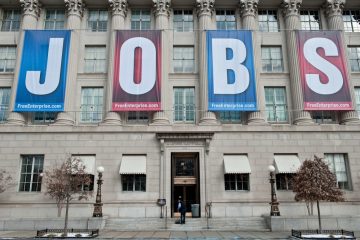
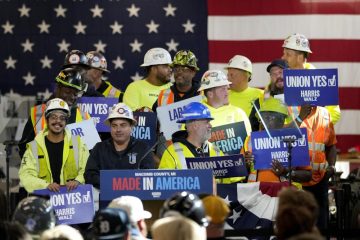
July US job growth slows, unemployment climbs to 4.2%
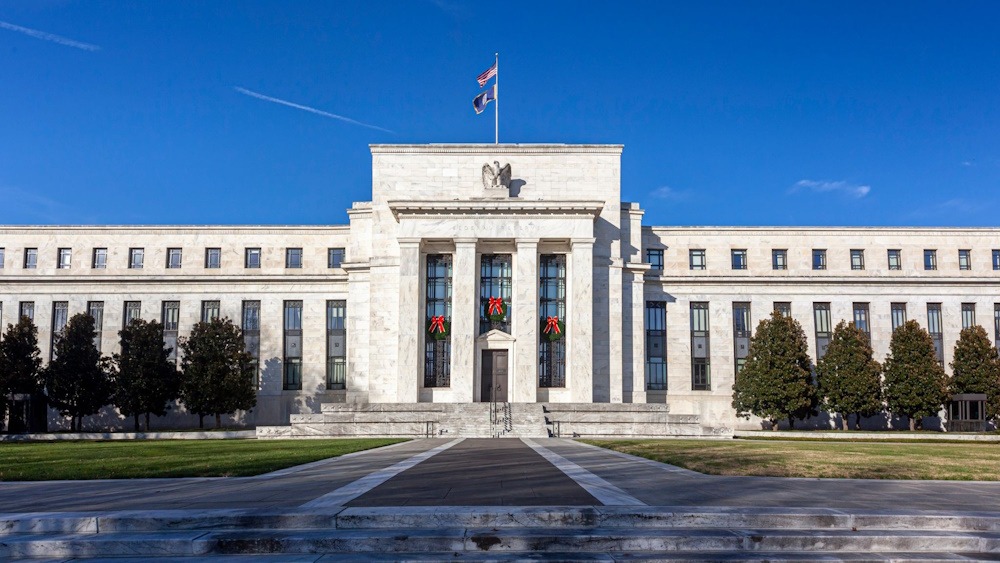
In July, US employment growth experienced a more pronounced slowdown than anticipated, with the nonfarm payrolls count for the preceding two months being revised downward by a substantial 258,000 jobs. This revision indicates a decline in labor market conditions, thereby reintroducing the possibility of a September interest rate cut by the Federal Reserve. The Labor Department’s closely monitored employment report released on Friday indicated that the unemployment rate increased to 4.2 percent last month, coinciding with a downturn in the often fluctuating household employment sector.
The outflow from the labor force persisted, albeit at a decelerated rate compared to previous months. The US central bank on Wednesday maintained its benchmark interest rate within the 4.25 per cent-4.50 per cent range. Fed Chair Jerome Powell’s remarks following the decision diminished confidence that the central bank would return to policy easing in September, a move that had been broadly expected by financial markets and certain economists.
Job growth has decelerated in the context of ambiguity surrounding the eventual stabilization of President Donald Trump’s tariff levels. On Thursday, Trump imposed significant tariffs on numerous trading partners as the Friday trade deal deadline approached, notably including a 35 percent duty on various goods imported from Canada. The labor market is exhibiting signs of deterioration concurrently with the onset of tariffs that are contributing to inflationary pressures.
“The door to a Fed rate cut in September just got opened a crack wider,” stated Christopher Rupkey, chief economist at FWDBONDS. The labor market is not collapsing, yet it is significantly impaired and could potentially lead to a turnaround in the US economy’s prospects. Nonfarm payrolls experienced an increase of 73,000 jobs last month, following a downward revision to a gain of 14,000 in June, marking the lowest growth in nearly five years, according to the Labor Department’s Bureau of Labor Statistics. According to a survey conducted by Reuters, economists anticipated an increase of 110,000 jobs in payrolls, following a previously reported rise of 147,000 in June. Estimates varied significantly, with projections indicating a possibility of no jobs added to an increase of 176,000 positions.
Payrolls for May were revised downward by 125,000, resulting in a modest increase of only 19,000 jobs. The BLS characterized the adjustments to the payroll data for May and June as “larger than normal.” The revision of the data was not accompanied by an explanation; however, it was indicated that “monthly revisions result from additional reports received from businesses and government agencies since the last published estimates and from the recalculation of seasonal factors.” In July, job gains remained predominantly within the healthcare sector, which saw an increase of 55,000 positions. Employment in social assistance rose by 18,000 positions.
However, federal government employment has decreased by an additional 12,000 positions, marking a total decline of 84,000 since its peak in January. Anticipation of increased job losses is growing following the Supreme Court’s approval for the White House to proceed with mass firings, as the Trump administration aims to reduce both spending and workforce size. However, the administration has indicated that several agencies do not intend to move forward with layoffs. Financial markets anticipate that the Federal Reserve will recommence its monetary policy easing in the upcoming month, following a recalibration of rate cut expectations to October in response to Wednesday’s policy decision. The dollar depreciated against a collection of currencies. US Treasury yields experienced a decline.
Powell characterized the labor market as balanced, attributing this to the simultaneous decline in both supply and demand; however, he noted that this situation is “suggestive of downside risk.” The immigration policies implemented during the Trump administration have contributed to a decrease in labor supply, a trend further exacerbated by the increasing rate of retirements among baby boomers. The decline in immigration flows indicates that the economy must generate approximately 100,000 jobs per month or fewer to maintain pace with the growth of the working-age population, as estimated by economists. The decrease in the unemployment rate to 4.1 percent in June can be attributed, in part, to individuals exiting the labor force.
The rise observed in July maintained the unemployment rate within the constrained range of 4.0 percent to 4.2 percent, a level that has been consistent since May 2024. The argument for a September rate cut may gain support from the forthcoming preliminary payrolls benchmark revision by the BLS next month, anticipated to indicate a significant decline in employment levels from April 2024 through March of this year. The Quarterly Census of Employment and Wages data, sourced from employer reports to state unemployment insurance programs, has revealed a significantly slower rate of job growth from April 2024 to December 2024 compared to what payroll figures have indicated.