US Dollar Set for a Comeback After Four-Month Slide
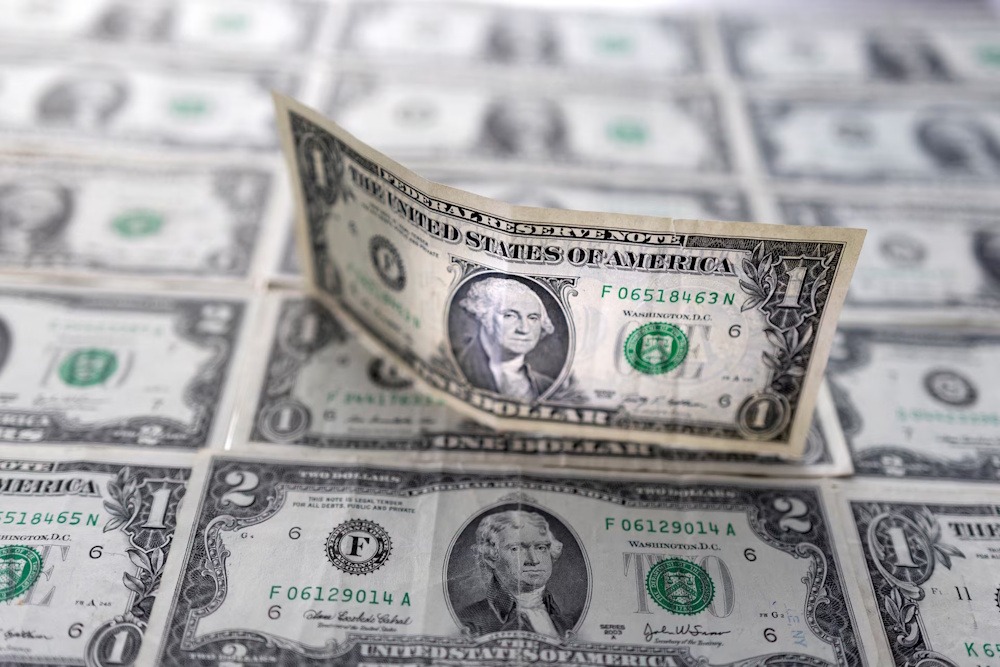
The U.S. dollar is set to experience a period of recovery following its four-month downturn, as the political and economic landscape shifts positively, prompting a more optimistic outlook from certain market experts regarding the currency. The strain on the U.S. dollar from various influences, including the euro’s surge, anticipations of interest rate reductions by the Federal Reserve, and the unpredictability stemming from President Donald Trump’s trade and fiscal strategies, has eased temporarily, experts noted. In the context of enhanced U.S. growth prospects and rising business confidence, the ongoing interest from foreign investors in U.S. stocks and bonds, coupled with the anticipation that Trump will adopt a less aggressive stance as midterm elections approach, is contributing positively to the dollar’s strength.
The dollar index, which assesses its value relative to the currencies of six trading partners, has remained below 100 since November, decreased by 6.7% since Liberation Day, and dropped to a four-year low in January. The dollar has experienced its most significant declines against the high-yielding Australian dollar this year, while also depreciating against the relatively weak Japanese yen. A dollar reversal may create significant waves in global markets, influencing trade dynamics, impacting corporate earnings for multinational companies, and shaping investment strategies for trillions in cross-border capital. Following an extended period of losses, a recovery would alleviate the strain on emerging market currencies and alter hedging strategies for investors globally. “We are dollar bulls in a world of dollar bears right now,” stated Dan Tobon. Tobon anticipates the dollar will strengthen through at least the third quarter of this year, particularly against the euro, Canadian dollar, and sterling. This outlook persists despite potential pressures from factors like foreign investors hedging dollar exposures and concerns regarding the independence of the Fed amid the Trump administration’s influence.
A more growth-oriented and less politically unstable Trump administration leading up to the midterms will provide additional support, Tobon stated. We anticipate a resurgence of animal spirits in the near future. In our assessment, all of these factors combined should indeed be quite favorable for the dollar. Jane Foley asserts that a significant portion of the negative sentiment has already been factored into the dollar, and the robust performance of the U.S. consumer is attracting investments to the nation. The depreciation of the dollar has influenced global trade dynamics, affected corporate profits for multinational companies, altered emerging market currencies, and shaped investment approaches for trillions in cross-border capital. Last year, investors raised their hedging ratios, contributing to the ongoing decline of the dollar through their trading activities. Currently, the positioning in derivatives indicates a gradual shift in sentiment. In January, currency options data indicated that traders were acquiring hedges to safeguard against additional declines in the dollar, while exhibiting a bullish sentiment towards the euro, as reported.
However, the data indicates that hedging has diminished since Kevin Warsh’s nomination to head the U.S. Federal Reserve, as risk reversals measuring skews in currency options for the euro and sterling have retreated from their January highs. Experts indicate that Warsh’s standing as a reliable figure who does not advocate for increased Fed purchases of market assets has alleviated worries regarding excessive easing by the Fed and potential threats to its autonomy. Warsh’s nomination alleviates one contributing factor to the recent decline of the dollar, but it represents only a portion of the overall rationale, noted Garrett DeSimone. Data indicated an increasing interest in structures referred to as butterflies, which speculate on underlying currency pairs maintaining a relatively stable position. “Taken together, this suggests the market is dialing back bets on U.S. dollar debasement, while investors are still paying for convexity in either direction,” DeSimone said.