US Dollar Index surges close to 99.00 amid Middle East tensions
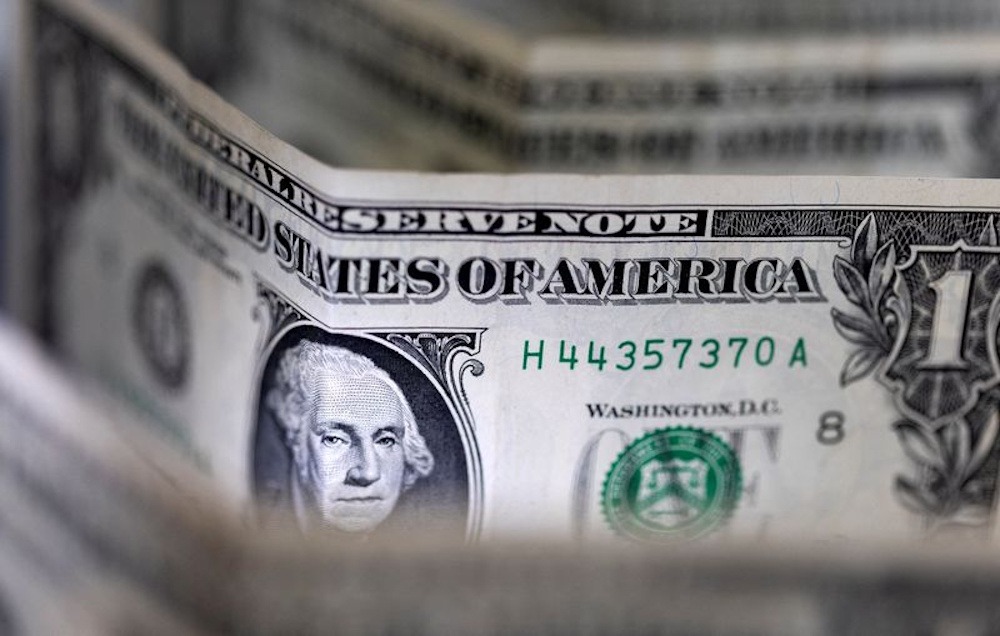
The US Dollar Index, which reflects the value of the US Dollar against a selection of six global currencies, is currently trading around 98.90 in the early hours of European trading on Tuesday. The DXY moves upward as uncertainty and ongoing geopolitical risks in the Middle East continue to loom. Iran’s Islamic Revolutionary Guard Corps stated that it is Tehran that will decide when the war concludes, not the United States. The IRGC cautioned that should US and Israeli assaults persist, Iran may obstruct regional oil exports. Meanwhile, US President Donald Trump asserted that if Iran takes any action that disrupts the flow of oil through the Strait of Hormuz, it will face repercussions from the US. Concerns and apprehensions regarding a drawn-out conflict in the Middle East may lead traders to seek refuge in safe-haven currencies like the US Dollar in the short term. The conflict in the Middle East has heightened concerns about inflation in the US, raising the probability that the US Federal Reserve will maintain elevated interest rates for an extended period. According to the CME FedWatch tool, markets currently indicate nearly a 95% probability that US rates will remain unchanged at the March meeting. The disappointing US February employment report has placed the Federal Reserve in a challenging position. The February jobs report revealed a decrease of 92,000 payrolls, with the Unemployment Rate increasing to 4.4% in February, up from 4.3% in January.
Later on Wednesday, the US Consumer Price Index inflation data for February will take center stage. The headline CPI is projected to reflect a 2.4% increase year-over-year in February, whereas the core CPI is anticipated to rise by 2.5% in the same timeframe. If the report reveals outcomes that are hotter than anticipated, this could support the Greenback in the short term. The US Dollar serves as the official currency of the United States of America and acts as the ‘de facto’ currency in numerous other countries, where it circulates alongside local notes. The currency in question is the most heavily traded globally, representing over 88% of all foreign exchange turnover, which translates to an average of $6.6 trillion in daily transactions, as reported in 2022. In the aftermath of the second world war, the USD supplanted the British Pound as the world’s reserve currency. Throughout much of its history, the US Dollar was supported by Gold, until the Bretton Woods Agreement in 1971 marked the end of the Gold Standard.
The primary influence on the value of the US Dollar is monetary policy, which is determined by the Federal Reserve. The Federal Reserve has two primary objectives: to maintain price stability (manage inflation) and to promote full employment. The main instrument employed to realize these two objectives is the adjustment of interest rates. When prices are escalating rapidly and inflation exceeds the Fed’s 2% target, the Fed will increase rates, which supports the value of the USD. When inflation dips below 2% or the unemployment rate rises excessively, the Fed may opt to lower interest rates, which impacts the value of the Greenback. In extreme situations, the Federal Reserve has the ability to print additional Dollars and implement quantitative easing. QE is the process through which the Fed significantly enhances the flow of credit in a stagnant financial system. This is an unconventional policy approach implemented when credit availability has diminished, as banks are reluctant to lend to one another due to concerns over counterparty default. It serves as a final measure when merely reducing interest rates is improbable to yield the desired outcome.
The Federal Reserve employed this strategy as its primary tool to address the credit crunch that emerged during the Great Financial Crisis in 2008. The process entails the Federal Reserve generating additional Dollars and utilizing them to purchase US government bonds, primarily from financial institutions. Quantitative easing typically results in a depreciation of the US Dollar. Quantitative tightening is the reverse process in which the Federal Reserve ceases purchasing bonds from financial institutions and refrains from reinvesting the principal from maturing bonds into new acquisitions. The outlook is generally favorable for the US Dollar.