Sterling Dips Amid Starmer Turmoil and Rate Cut Speculation
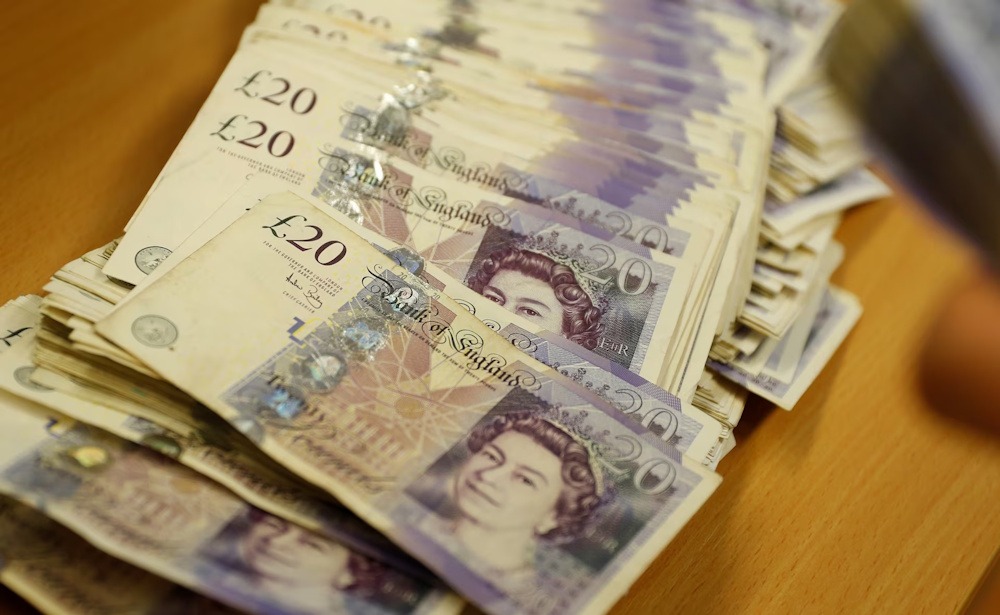
The pound fell against the euro and decreased against the dollar on Monday as traders responded to the challenges confronting Prime Minister Sir Keir Starmer, while expectations of additional interest rate cuts exerted pressure on the currency. Morgan McSweeney resigned on Sunday, stating he took responsibility for advising the Prime Minister to select Peter Mandelson as ambassador to the U.S. despite his established connections to Jeffrey Epstein. Yet Starmer continues to face pressure, as the Epstein saga is far from resolved and challenging local elections are on the horizon. The euro was last up 0.49% against the pound, standing at 87.22 pence. That marked approximately a two-week high, although the euro continues to remain steady against sterling this year. Against the dollar, the pound was slightly lower at $1.3607 after experiencing a decline of up to 0.2% earlier in the session.
On Monday, British government bonds experienced a slight underperformance compared to their European counterparts, as market attention shifted towards Starmer’s situation, though the fluctuations were relatively subdued. Numerous bond investors express concern that a new Labour prime minister might steer policies to the left and escalate spending, as currency markets have a historical aversion to political instability. The government is now confronted with the possibly awkward disclosure of nearly all private communications among officials regarding Mandelson’s appointment. An election for a parliamentary seat in Manchester later this month and local elections in May could pose a significant challenge to Starmer’s leadership.
“Expect pressure to remain on both sterling and gilts as the market speculates over a change of personnel at numbers 10 and 11 Downing Street,” said Chris Turner. “In light of a dovish twist at last week’s Bank of England meeting, sterling is facing pressure.” The pound was influenced by a Bank of England decision to maintain interest rates last week, which led traders to increase their expectations for additional cuts this year. The European Central Bank appears poised to maintain steady rates for the foreseeable future, as expectations of lower relative returns diminish the attractiveness of the pound in comparison to the euro. “The pound looks set to continue trending weaker across the board,” said Neil Jones. “Political uncertainty is on the rise.”
Three-month risk reversals, which indicate the disparity between the expense of acquiring an option to buy the euro against the pound and the cost of selling the euro against sterling, increased to 67 basis points, marking the highest level since late November, up from a low of 22 bps on Thursday. The greater the figure, the more optimistic the sentiment becomes for the euro in relation to sterling, and conversely. On Monday, the euro experienced an increase of approximately 0.4% against the dollar. Some analysts indicated that China has advised banks to restrict their holdings of U.S. Treasuries was impacting the dollar.