Dollar Decline Fuels Market Turbulence
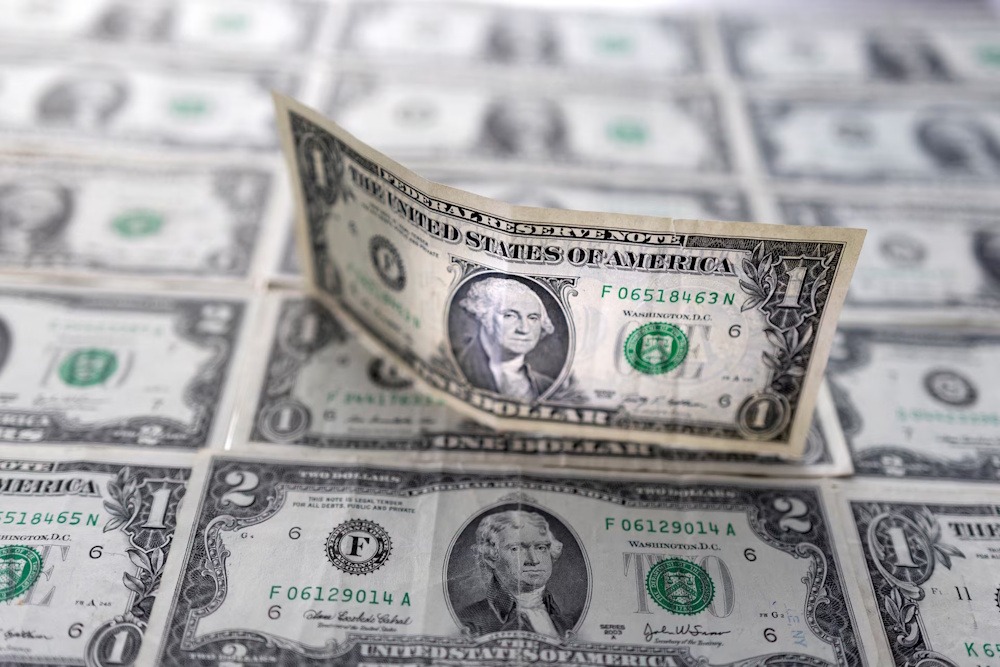
Financial markets are approaching the conclusion of a remarkable January, significantly influenced by the dollar – poised for its worst beginning of the year since 2018. The upcoming week presents a series of catalysts that could further disrupt the landscape. Megacap earnings will establish the direction for stocks, while U.S. jobs data could introduce new challenges or opportunities for the dollar, and geopolitical factors may continue to enhance gold’s appeal. Additionally, former Federal Reserve Governor Kevin Warsh has surfaced as the probable candidate to lead the central bank. The dollar is struggling near four-year lows, its renewed weakness capturing the attention of central bankers, investors, and even the White House. A day after Donald Trump emboldened greenback bears, stating the dollar’s value was “great” when asked if the currency had declined too much, Treasury Secretary Scott Bessent affirmed that the U.S. maintains a strong dollar policy and is not intervening to strengthen the yen. The magnitude and rapidity of additional declines could pose a challenge for banks if investors simultaneously seek to safeguard their U.S. assets from a depreciation of the dollar. It may also compel central banks from the euro area to Asia to take action to avert a significant increase in their domestic currencies that could hinder growth. An arrow chart illustrating the fluctuation in value of emerging market currencies relative to the dollar as of January 27, 2026. An arrow chart illustrating the fluctuation in value of emerging market currencies relative to the dollar as of January 27, 2026.
Investors will seek indications of a robust U.S. jobs market in the monthly employment report on February 6, as they evaluate the potential for additional rate cuts. The Fed noted indications of stabilisation in employment when it decided to keep interest rates unchanged on Wednesday, following a period of easing monetary policy in late 2025 due to a declining labour market. According to a poll, nonfarm payrolls for January are anticipated to have increased by 70,000, following a rise of 50,000 in December. Meanwhile, a substantial influx of earnings reports is poised to arrive. Included in this group are two of the “Magnificent Seven” megacap companies: Google parent Alphabet and Amazon, which has recently confirmed 16,000 corporate job cuts. The remarkable rally that has propelled gold (along with silver, platinum, and palladium) to unprecedented heights may be revealing some signs of weakness. The surge in AI technology propelled the company’s primary revenue source to an impressive 490% increase compared to the previous year, reaching an all-time high. Anticipation surrounding a potentially more hawkish Fed chief led to gold retreating from its nearly $5,600 record high; however, it remains poised for a 20% rally in January, marking its strongest month since 1980.
There appears to be an abundance of catalysts that could bolster the appeal of the favored safe haven—an unraveling global order, the looming threat of an assault on Iran, a declining dollar, concerns regarding the independence of the Federal Reserve, or the resurgence of trade conflicts. Data revealed that gold demand reached an unprecedented peak last year, driven by concerns over instability and trade, which ignited a significant increase in investment. However, soaring prices have already impacted jewellery demand and are expected to suppress central bank purchases, as stated by the organization. A line chart illustrates the fluctuations in the prices of gold, silver, and the U.S. dollar index since the commencement of Donald Trump’s second presidency. A line chart illustrates the fluctuations in the prices of gold, silver, and the U.S. dollar index since the commencement of Donald Trump’s second presidency. Japan’s volatile bond market is poised for two significant tests of demand as a lower house vote approaches, with the prime minister and her challengers advocating for heightened stimulus measures. Japanese government bond yields have surged, sending shockwaves through global debt markets, after Prime Minister Sanae Takaichi announced a snap election and pledged a two-year reprieve on sales taxes on food.
On Tuesday, an auction of benchmark 10-year JGBs is scheduled, followed by the sale of new 30-year securities on Thursday. The 10-year yield reached a 27-year high of 2.38%, while 30-year yields climbed to a record 3.88% on January 20, driven by speculation that the election will bring about additional debt-funded measures that could further compromise Japan’s fiscal health. Yields have stabilized since, while the yen has strengthened in response to threats of official intervention. The ECB convenes on Thursday, and investors will be attentive to any signals regarding the potential effects of a stronger euro on interest rates. Had Trump imposed tariffs on European countries in an attempt to purchase Greenland, the meeting could have taken a very different turn; however, his swift reversal has averted that situation. The dollar has faced significant challenges since the beginning of the year, leading to a 3% increase in the euro over the past two weeks, now surpassing $1.20, its highest level since 2021. Policymakers in Frankfurt express dissatisfaction. They anticipate that euro zone inflation will fall short of the ECB’s 2% target this year and next, and they are already concerned that additional euro appreciation could drive inflation even lower. Currently, the ECB is anticipated to maintain its position, with traders considering that another rate cut is only marginally more probable by the summer.