XRP in Bear Mode as Fear Dominates Crypto Market
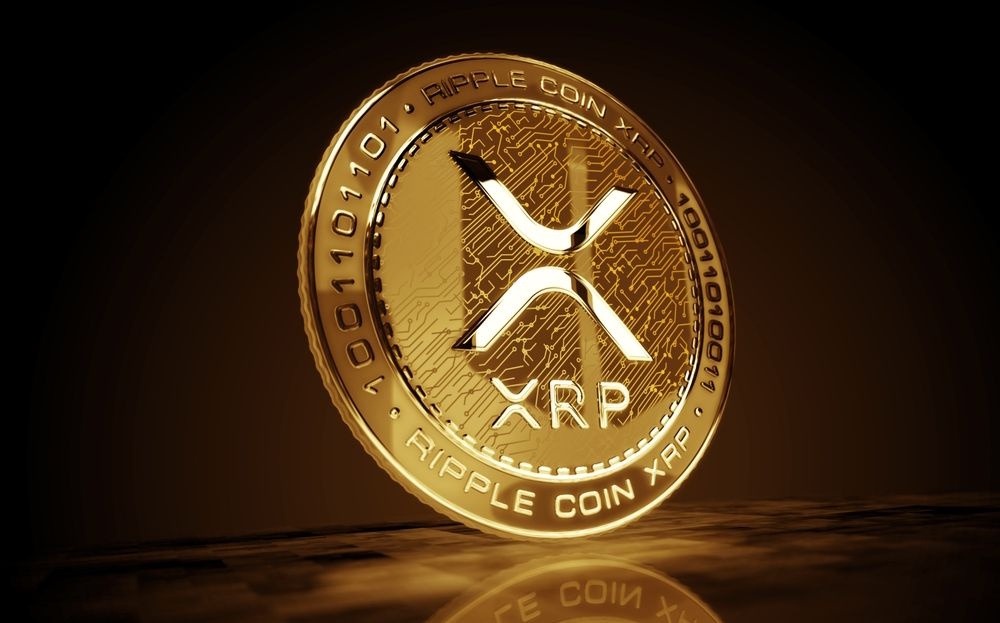
Ripple’s XRP has experienced a decline of 15% over the last week, 26% over the past two weeks, and more than 40% in the last year. Clearly, it’s in a downtrend in what’s currently regarded as a bear market in the crypto industry. In this analysis, we will delve into XRP’s price dynamics, explore its underlying fundamentals, and assess its resilience during periods of crypto downturns. After all, the popular saying goes, “buy when there’s blood on the street,” and it certainly seems like there’s an abundance of blood on the streets at this moment. Just yesterday, the widely followed Crypto Fear & Greed Index registered a low of 7 points, indicating extreme fear in the market. Indeed, we have seldom observed sentiment at such a low point. When diving into the world of cryptocurrency investments, the initial factor to evaluate is the specific coin that has caught your attention. XRP is classified as an altcoin, which indicates that it possesses a significantly higher level of volatility compared to Bitcoin and, by extension, nearly all aspects of traditional finance. XRP stands out among altcoins due to its association with a major US corporation that is investing millions in marketing and various initiatives aimed at enhancing value for both shareholders and users. Ripple is developing a “ultra-fast” settlement layer intended for banks and various financial institutions, asserting that this represents the future of finance. It’s all about eliminating intermediaries and providing 24/7 access, among other benefits. But what impact has this had on XRP exactly?
The initial significant crypto winter was experienced in 2018. After reaching a high of over $3 and with market touting it as the next must-have coin, XRP saw a significant decline, trading near $0.3 for the majority of the bear market. Then arrived the bull market of 2021. In April of that year, the price soared to a peak of approximately $1.7, following the trends of the broader crypto market. It made an attempt at a double-top in November but ultimately faced a significant decline, dropping back down to around $0.35 in the spring of 2022. XRP stayed within a range at that level until November 2024, when it surged in value above $2, ultimately reaching a new all-time high in July 2025. In essence, those who bought at the bottom reaped impressive returns of nearly 10x, provided they entered during the bear market and exited near the peak. The price is currently mirroring a previous pattern, experiencing another cooldown after a parabolic rally.
As of now, XRP boasts a total market cap of approximately $85 billion, making it challenging to advocate for a dramatic, wealth-generating surge. However, history suggests that cycles are indeed present, and Ripple’s native cryptocurrency has been somewhat following these patterns, even amidst a year-long lawsuit that was believed to have dampened its dollar value for a period. In the realm of crypto markets, we can distinctly categorize assets into two groups: Bitcoin and all other cryptocurrencies. The latter often exhibits significantly lower sustainability regarding price stability and longevity. As previously stated, there exists a fully operational, large-scale corporation based in the US that supports XRP. Ripple is consistently broadening its scope and enhancing its range of products. A stablecoin, RLUSD, has been launched, and efforts are underway to secure more licenses in key jurisdictions. However, XRP is not directly linked to the company’s performance. The investment thesis, while inherently speculative, raises significant questions, especially as the industry evolves and competition heats up. XRP holders are not receiving any benefits – rather, they are purchasing a cryptocurrency designed for transactions. The trial against the U.S. Securities and Exchange Commission highlighted their stance, as the SEC contended that XRP qualifies as a security.
While it is accurate that there is a fixed supply, a significant portion of that supply remains concentrated within the company, which frequently liquidates it to support its operational expenses. So, is XRP a solid investment at this moment? Historic precedents exist in the altcoin market, showcasing face-melting rallies that often follow extended downturns; this fact is indisputable. However, it’s crucial to remember that past performance should not be seen as a predictor of future outcomes, and there could be an additional 90% decline before any possible recovery, so stay aware of that. Of course, it’s important to note that none of the information provided should be considered financial advice. This is merely an observation regarding XRP’s price performance in past market cycles and its relationship with Ripple.