Bitcoin Hits New 2026 Low Amid Multiple Factors
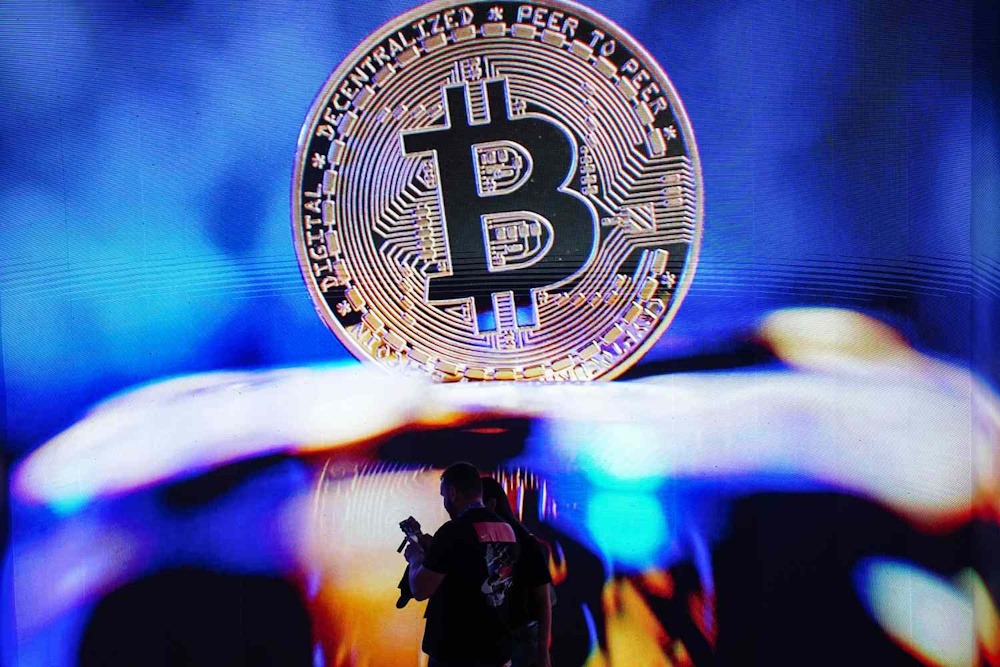
Bitcoin prices experienced a significant downturn over the weekend, hitting their lowest level of the year as a confluence of bearish factors contributed to the losses. On Sunday, January 25, the leading digital currency experienced a decline, reaching approximately $86,400, as reported. Currently, the cryptocurrency has experienced a decline of around 32% from its all-time high of over $126,300 achieved last year, according to additional figures. When questioned about the factors behind this depreciation, analysts pointed to a variety of variables. The price of bitcoin dipped to approximately $86,400 over the weekend “as multiple market forces converged,” Saksham Diwan stated. “ETF outflows reached $1.3 billion in the last week, marking the most significant outflow since February 2025, as institutional investors scaled back their exposure to digital assets,” he continued. “The decline coincided with a rally in the Japanese yen, which typically prompts portfolio rebalancing – or unwinding – across a broader selection of assets.” Iliya Kalchev highlighted several causal factors while discussing bitcoin’s recent price fluctuations. “Bitcoin’s weekend dip toward the mid-$86,000s was driven by a convergence of macro repricing, sustained ETF outflows, cross-asset capital rotation, and thin weekend liquidity,” he noted in an email.
“The initial pressure came from stronger U.S. economic data, which pushed expectations for Federal Reserve rate cuts further out,” said Kalchev. “Markets now assign roughly a 97% probability to no Fed rate cut this week, while expectations for a March cut have declined to around 15.6% from about 20% a week ago,” he added. The Federal Open Market Committee is set to convene on January 27 and 28, following which they will disclose any alterations to their policy. “Bitcoin has historically been quick to price in developments perceived as negative for its liquidity outlook, and the reduced odds of near-term easing prompted a rapid reassessment of positioning rather than a gradual decline,” stated Kalchev. “That reassessment has been visible in U.S. spot Bitcoin ETFs, which recorded persistent outflows in recent sessions,” he stated, pointing out the identical trend emphasized by Diwan. Analysts pointed to another factor contributing to bitcoin’s decline over the weekend: the looming possibility of a U.S. government shutdown. They characterized this situation as unsettling market sentiment and increasing risk aversion.
On January 22, the U.S. House of Representatives cast their votes to forward the $1.2 trillion appropriations bill to the Senate, as reported. At that moment, numerous provisions received backing from both sides of the aisle. However, the situation has evolved, as members of the Democratic Party have been urging Republicans to eliminate the section of the appropriations that would finance the Department of Homeland Security, which oversees Immigration and Customs Enforcement. Marc P. Bernegger addressed the implications of these developments, noting in an email that the looming threat of a government shutdown led to “renewed macro caution,” which subsequently resulted in bitcoin’s decline to approximately $86,400 over the weekend. Patrick Liou provided insights on the current situation, stating via email that “market risk sentiment has been pulled lower by concerns about a potential partial U.S. government shutdown tied to political fallout and budget disputes in Washington, which adds to market uncertainty.” As markets began to trend downward, analysts noted that thin liquidity exacerbated these price fluctuations, as highlighted by multiple experts consulted for this piece.
“With fewer institutional participants active, thinner order books allowed relatively modest sell pressure to push prices lower than would typically occur during peak liquidity,” stated Kalchev. “At the ±2% level, Bitcoin market depth remains asymmetric, with sell-side liquidity exceeding buy-side bids near spot, reinforcing a range-bound and liquidity-constrained trading environment where near-term upside appears more limited,” he continued. “Importantly, the move did not escalate into a broader unwind. Futures open interest, at around $40 billion, remains well below mid-2025 highs, indicating that leverage has not rebuilt to aggressive levels,” the analyst noted. “Funding rates have remained largely neutral, indicating that the decline was more about rapid repricing and position adjustments rather than a move towards lasting bearish leverage. Overall, the pullback looks like a liquidity-driven adjustment during a macro and allocation reshuffle, not a breakdown in market conviction,” he stated. “The continuation of this trend will be heavily influenced by ETF flow dynamics and the pace at which broader risk appetite stabilizes.”