Warner Bros Deal Wraps Up a Record Year as Global M&A Reaches $4.5 Trillion
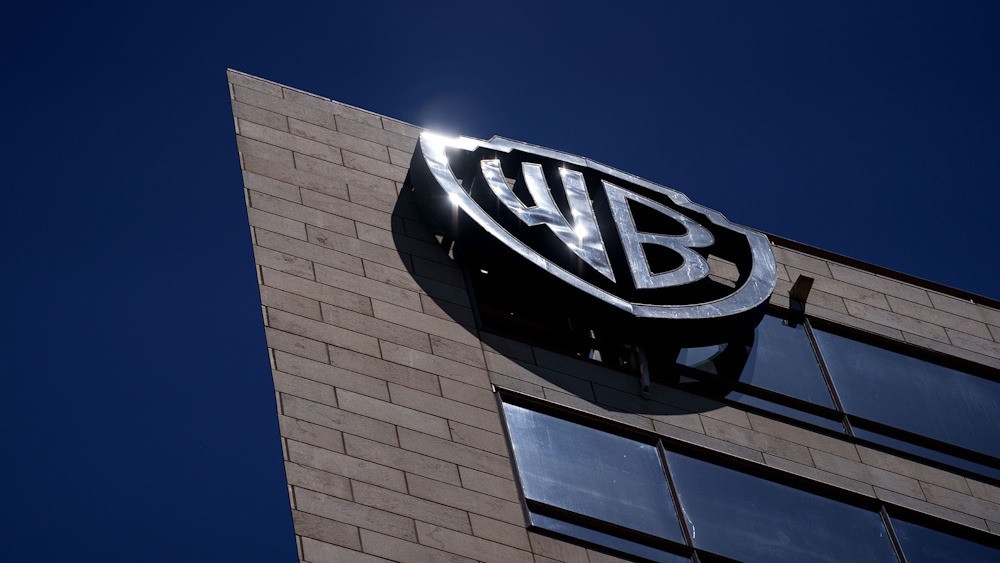
Dealmakers are approaching the concluding weeks of 2025 with a $100 billion cliffhanger. Paramount Skydance Corp.’s aggressive attempt to acquire Warner Bros. Discovery Inc. from the grasp of Netflix Inc. embodies the key themes that have defined a remarkable year for mergers and acquisitions: a revived appetite for transformative partnerships, substantial financial backing from market, the influx of capital from the Middle East, and US President Donald Trump’s dual role as both a disruptor and a dealmaker. According to data, global transaction values have surged approximately 40 percent to around $4.5 trillion this year, as companies pursue highly ambitious combinations, encouraged by more favorable regulators. That marks the second-highest tally on record, featuring the largest collection of deals valued at $30 billion or more. “There’s a sentiment in boardrooms and among CEOs that this is a potential multi-year window where it’s possible to dream big,” said Ben Wallace. “We’re at the beginning of a rate-cutting cycle so there’s anticipation that there will be more liquidity.”
This year’s blockbusters extend beyond Netflix’s acquisition of Warner Bros. to include Union Pacific Corp.’s purchase of rival railroad operator Norfolk Southern Corp. for over $80 billion, inclusive of debt. Additionally, there is the record leveraged buyout of video game maker Electronic Arts Inc., and Anglo American Plc’s takeover of Teck Resources Ltd. aimed at reshaping global mining. “When you look around and you see your peers doing these big deals and taking advantage of the tailwinds, you don’t want to be left out,” said Maggie Flores. “The regulatory environment is in a position that is very conducive to dealmaking and people are taking advantage of it.” The tally reveals a degree of exuberance in specific areas that has raised concerns among some advisers and analysts regarding its sustainability. Global trade tensions persist, and market observers are increasingly cautioning about a potential selloff in the previously thriving equity markets that have supported the resurgence in mergers and acquisitions. Top executives at Goldman Sachs, JPMorgan Chase & Co. and Morgan Stanley have all highlighted the risk of a correction in the months ahead, partly due to concerns regarding an overheated artificial intelligence ecosystem, where substantial investments have inflated technology stocks. “These equity returns are really coming out of AI, and AI spend is not sustainable,” stated Charlie Dupree. “If that pulls back, then you are going to see a broader market that isn’t really advancing.” The excitement surrounding AI resulted in several of the year’s most notable transactions.
Sam Altman’s OpenAI secured significant investments from prominent entities such as SoftBank Group Corp., Nvidia Corp., and Walt Disney Co. Additionally, a consortium led by BlackRock Inc.’s Global Infrastructure Partners has committed to a $40 billion acquisition of Aligned Data Centers. In March, Google parent Alphabet Inc. positioned its $32 billion acquisition of cybersecurity startup Wiz Inc. as a means to offer customers enhanced protections in the age of AI. “Everyone needs to be an AI banker now,” stated Wally Cheng. “Just as software began eating the world 15 years ago, AI is now eating software.” The technology sector, in a broader sense, has achieved a record year for deals, driven by a series of significant takeovers in both public and private markets. The trend reached the White House over the summer, as the US government acquired a roughly 10 per cent stake in Intel Corp. This unconventional move was designed to reinvigorate the company and enhance domestic chip manufacturing. It was a clear indication of Trump’s readiness to blur the lines between state and industry, positioning himself in M&A situations during his second term, especially in sectors considered mission critical. His administration also acquired a stake in rare-earth producer MP Materials Corp., and Commerce Secretary Howard Lutnick has hinted at similar deals in the defense sector. Trump has been positioning himself as a kingmaker in high-profile transactions. The government obtained a so-called golden share in United States Steel Corp. as a prerequisite for endorsing its acquisition by Japan’s Nippon Steel Corp., and the president has recently indicated his opposition to any takeover of Warner Bros. that does not entail new ownership of CNN. “The Trump administration’s approach to merger regulation today is markedly different compared to the first time around,” said Brian Quinn, a professor at Boston College Law School. Quinn remarked that he couldn’t recall a member of the Republican Party from 15 to 20 years ago who would now accept the notion that the US government “is involved in the business of picking winners.”
Bankers will undoubtedly be contemplating whether they could have accomplished more in 2025 if not for the tumultuous period earlier in the year, during which deals were stalled following the impact of Trump’s trade war on the markets. In a clear indication that ongoing economic difficulties continue to affect certain areas of M&A, the volume of deals being announced worldwide remains unchanged. According to Jake Henry, many small and mid-cap companies have been trailing behind the broader stock market and are choosing to focus on their own strategic plans rather than considering inorganic options. “They’re thinking ‘I’m better off just operating my business and getting there.’ ‘It has to be an explosive offer for them to come to the table,’” he said. Meanwhile, private equity firms, whose buying and selling serves as a crucial indicator for M&A, continue to face challenges in offloading certain assets due to valuation discrepancies with buyers. This has created a ripple effect on their capacity to secure funding and invest in new acquisitions. However, bankers are beginning to observe a recovery as interest rates decline, attracting more potential acquirers to the table. “What’s motivating sponsors more than anything is their need to return cash to investors,” stated Saba Nazar. “We have been in bake-off frenzy for the last couple of months.” As the year commenced, dealmakers quietly speculated about the potential for M&A records, buoyed by Trump’s pro-business administration. Although they will narrowly miss the milestone in 2025, there is a prevailing sentiment on market that those initial challenges merely postponed the inevitable. Brian Link, stated that following ‘Liberation Day’ in April, he anticipated dedicating more time to understanding the effects of tariffs on various businesses and how to adapt accordingly. “That has not been the case,” he stated. “Unless fear creeps back into the market, there doesn’t seem to be anything in the near term that’s going to change the dynamic here.”