Rio Tinto and Glencore Eye World’s Largest Mining Merger
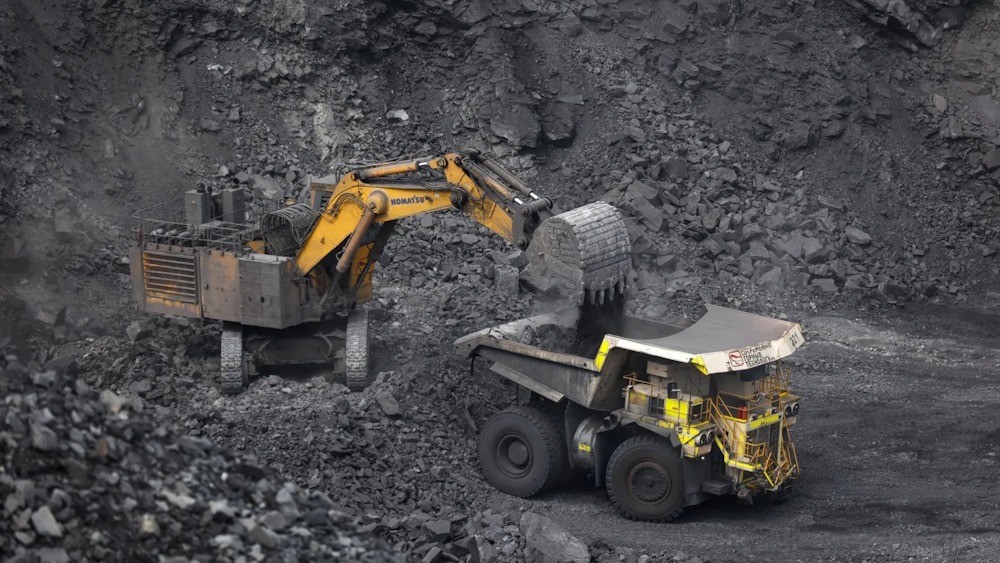
Rio Tinto Group is currently engaged in discussions to acquire Glencore Plc, aiming to establish the largest mining company globally, boasting a combined market value exceeding $200 billion. This comes just over a year after previous negotiations between the two entities fell through. The companies stated in separate announcements on Thursday that they have been in discussions regarding a potential combination of some or all of their businesses, including the possibility of an all-share takeover. Glencore shares experienced a notable increase of up to 9.9 per cent at the open in London, whereas Rio Tinto saw a decline of 2.5 per cent following a drop of 6.3 per cent in Australia. A partnership between the two companies would signify the largest deal in an industry currently experiencing a surge in mergers, as leading producers aim to strengthen their positions in copper — an essential metal for the energy transition that is trading at near-record levels. Glencore and Rio both possess significant copper assets, and the potential transaction could establish a new mining giant to compete with BHP Group, which has traditionally maintained its status as the largest miner. Nonetheless, analysts have previously expressed concerns regarding possible obstacles to a deal. Glencore stands as one of the largest coal producers globally — a sector from which Rio has previously withdrawn — and the two firms exhibit markedly different cultures. Rio Tinto boasts a market capitalisation of approximately $137 billion, whereas Glencore is valued at $70 billion.
The two engaged in discussions in 2024; however, the talks were ultimately abandoned due to a lack of consensus on valuation. Since then, Rio has appointed a new CEO, while Glencore has taken steps to clearly communicate its copper growth prospects. In private conversations, Glencore CEO Gary Nagle has referred to a Rio-Glencore tie-up as the most obvious deal in the industry. Nevertheless, the disparity in valuations between the two companies had increased since the previous discussions. The discussions arise at a moment when copper is experiencing unprecedented demand. The metal reached unprecedented levels, exceeding $13,000 a ton earlier this week, propelled by a series of mine outages and efforts to accumulate the metal in the US in anticipation of potential tariffs from the Trump administration. This has contributed to a growing concern among mining executives and investors that future supplies of the metal will be limited.
For Rio, a deal with Glencore would greatly enhance its copper production and provide the company with a stake in the Collahuasi mine in Chile, recognized as one of the world’s richest deposits, and one that it has long desired. Rio, which already possesses significant copper assets, along with its larger competitor BHP, continues to derive a considerable portion of its earnings from iron ore. This market is now confronted with an uncertain demand outlook as China’s prolonged construction boom approaches its conclusion. “It makes a lot of sense,” remarked Ben Cleary. “It’s the one significant deliverable mining deal out there.” Simon Trott has concentrated on reducing expenses and streamlining operations, with the company committing to divest some of its smaller divisions. Chairman Dominic Barton has indicated that Rio has progressed beyond a series of unfortunate deals in its history, stating that the company will adopt a more open-minded approach to acquisitions. “This is Simon’s first test as CEO and I would expect his disciplined approach to be carried through to M&A,” stated John Ayoub. The recent discussions arise within a broader context of increased dealmaking in the sector, highlighted by Anglo American Plc’s recent agreement to acquire Teck Resources Ltd., following Anglo’s successful defense against a takeover attempt by BHP. Rio Chairman Dominic Barton has indicated that the miner has progressed beyond a series of disastrous deals in its past, stating that the company will adopt a more open-minded approach to making acquisitions. Glencore has established itself as a formidable player in the industry, marked by its bold acquisition strategies.
Notably, the company made an audacious proposal to merge with Rio in 2014, spearheaded by former CEO Ivan Glasenberg, who continues to hold approximately 10 percent of the company. Recently, Glencore has faced increasing pressure from investors due to its stock underperformance last year, influenced by weak coal prices and scrutiny regarding its strategy. The company has positioned its copper mines at the core of its operations, and CEO Nagle outlined plans last month to nearly double copper production over the next ten years. Although Glencore’s copper assets may serve as the main draw, the company also holds the title of the world’s largest coal shipper. It also extracts metals like nickel and zinc, in addition to operating a substantial trading enterprise. The desire of Rio to acquire all of those assets and businesses remains uncertain. Glencore had previously proposed separating its extensive coal unit, but shareholders expressed their desire to retain it. “Coal is where a lack of detail is evident. You would think that coal would be one of the first divestments a merged company looks at,” Ayoub said. According to UK takeover regulations, Rio has until February 5 to either confirm its intention to make an offer or withdraw for a period of six months.