Pop Mart’s Labubu Craze Sparks Beanie Baby Collapse Concerns
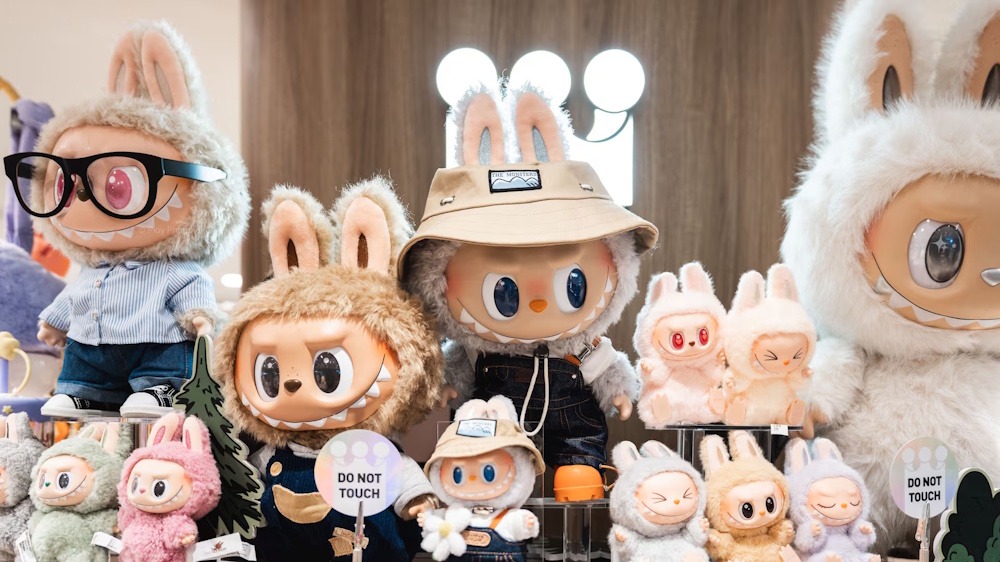
The excitement around Labubu toys is beginning to mirror the rise and fall that led to the Beanie Babies crash in the 1990s, signaling caution for investors, according to an analyst. The excitement surrounding the sharp-fanged monster dolls is reaching its climax, but concerns about the next sales catalyst for Pop Mart International Group Ltd. indicate that its shares may have limited growth potential, according to Melinda Hu. Hu, the sole analyst with a sell rating on Pop Mart, likens the buzz around Labubu to the Beanie Babies craze, driven by scarcity, the thrill of the chase, the dopamine rush, and a booming secondary market. “I wouldn’t recommend long-term investors to buy the shares unless there are fundamental changes in the company’s strategy,” she stated. Is the golden age of Pop Mart shares behind us? The Hong Kong-listed stock of the company has plummeted over 30 per cent since its August peak, with part of the decline occurring after an employee raised concerns about the pricing of a blind-box product during a live-stream event. After a remarkable rally, shares have pulled back following a staggering increase of over 1,500 per cent from the beginning of last year to their peak in August.
Out of 46 analysts tracking Pop Mart, 42 maintain a “buy” or similar rating, while three others have it marked as a “hold,” based on data. Shares plummet 25% since Hu’s “underperform” rating on the Beijing toy firm, starting Oct. 16. Hu, with seven years at Bernstein, covers 10 companies like ANTA Sports and Shiseido. Investors heeding her advice faced an average loss of 5 percent in the last six months, while her peers saw a decline of just 2.7 percent, according to data. Trader Sentiment Wavers on Pop Mart’s Short-Term Outlook. Short interest in the stock reached 2.8% of its total free float as of Thursday, marking the highest level since April 2024, according to analysts Beanie Babies, adorable plush toys filled with plastic pellets, skyrocketed in value in the late 1990s, transforming into sought-after financial investments. The bubble popped in 1999, leaving the toys from unlisted TY Inc. largely valueless now.
Pop Mart shares dropped over 9% on Oct. 23, despite the company’s third-quarter results surpassing expectations, raising worries about potential growth slowdown through 2026. Investor unease is rising as the firm increasingly relies on Labubu, with the “Monsters” product series now contributing around 35 percent of total revenue in the first half, a significant jump from 14 percent last year. “The bull–bear debate hinges on one key question: can the company escape Labubu dependency and ignite growth through alternative IPs?” Hu from Bernstein mentioned intellectual properties. Bernstein predicts Pop Mart’s revenue growth will hit a high of 145% this year, while margins are expected to decline as marketing costs rise to sustain IP popularity and support international expansion. Despite Pop Mart shares dropping below Hu’s one-year price target of HK$225, she has yet to adjust that figure, maintaining a long-term perspective. Optimistic analysts highlight several advantages, such as Pop Mart’s nascent global expansion and initiatives to broaden its product offerings.
JPMorgan Chase & Co. suggests that Pop Mart has a strong alternative to Labubu. “Twinkle Twinkle is drawing a genuine fan base rather than serving as a backup when Labubu isn’t available,” analyst Kevin Yin noted in a research report last month. By 2027, the star-themed toy line is projected to boost Pop Mart’s sales to 8 per cent, rising from 2.8 per cent in the first half of this year, he stated. Hu remains skeptical. “I still haven’t seen evidence that the other IPs can spark interest on their own,” she stated. “Pop Mart’s long-term growth potential remains unclear.” The Bernstein analyst doubts that Labubu can achieve lasting popularity like Sanrio’s Hello Kitty and Mattel’s Barbie dolls. According to Hu, with Hello Kitty and Barbie, “there’s no speculative marketing, no scarcity, no blind box mechanics, and no dopamine-driven purchasing.” She mentioned that the products are always accessible and easy for consumers to find, which is crucial for their sustained growth.