Nvidia Wants Full Payment for H200 AI Chips from China
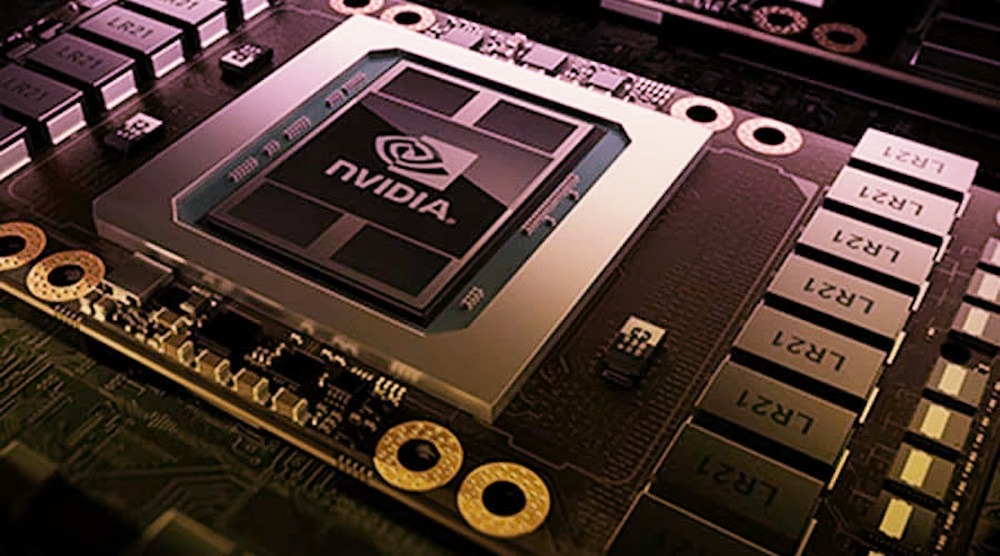
Nvidia is mandating complete upfront payment from Chinese clients looking to acquire its H200 artificial intelligence chips, as a safeguard against the persistent uncertainty surrounding Beijing’s approval of the shipments, according to sources. The US chipmaker has implemented exceptionally strict conditions mandating complete payment for orders, with no possibilities for cancellation, refunds, or alterations to configurations once placed, according to sources. In special circumstances, clients may provide commercial insurance or asset collateral as an alternative to cash payment, one of the source stated. Nvidia’s standard terms for Chinese clients have historically included requirements for advance payment; however, there were instances where clients were permitted to place a deposit instead of making a full payment upfront, according to the reports. However, regarding the H200, the company has been notably stringent in implementing conditions due to the uncertainty surrounding the approval of shipments by Chinese regulators, the source noted. The enhanced policy enforcement has not been documented before. Nvidia and China’s industry ministry had not provided comments in response to requests by the time of publication.
Chinese technology companies have ordered over 2 million H200 chips, each priced at approximately $27,000, as reported, surpassing the available inventory of 700,000 chips. Chinese chipmakers such as Huawei have made strides in developing AI processors like the Ascend 910C; however, their performance remains inferior to Nvidia’s H200 when it comes to large-scale training of advanced AI models. Recently, Beijing requested that certain Chinese tech companies temporarily halt their H200 chip orders, as regulators are still determining the quantity of domestically produced chips that each customer will be required to purchase with their H200 orders, according to a source. On Wednesday, The Information was the first to report the pause. Nvidia CEO Jensen Huang stated on Tuesday that customer demand for H200 chips was “quite high” and that the company has “fired up our supply chain” to ramp up production. Huang expressed that he did not anticipate a formal declaration from China’s government regarding approval, but noted, “if the purchase orders come, it’s because they’re able to place purchase orders.”
The stringent payment conditions highlight the intricate balancing act Nvidia must perform as it seeks to leverage the rising demand in China while managing regulatory ambiguities in both nations. The Biden administration had imposed a ban on advanced AI chip exports to China; however, President Donald Trump reversed that policy last month, permitting H200 sales with a 25% fee to be remitted to the US government. Nvidia has faced challenges in the past. Last year, it recorded a $5.5 billion write-down in inventory following the abrupt ban imposed by the Trump administration on the sale of the H20 chip to China, which had been its most powerful product available in that market. While the US has reversed that decision, China has since imposed a ban on H20 shipments. However, the payment structure for the H200 effectively shifts financial risk from Nvidia to its customers, who are required to commit capital without the assurance that Beijing will approve the chip imports or that they will be able to implement the technology as intended.
Chinese internet giants, including ByteDance and others, regard the H200 as a notable advancement compared to the chips currently on the market. The H200, which stands as Nvidia’s second-most powerful chip, offers approximately six times the performance of the now-blocked H20 chip, originally designed for the Chinese market. Nvidia intends to meet initial orders using current inventory, with the first shipment of H200 chips anticipated to arrive prior to the Lunar New Year holiday in mid-February, as reported. The company has engaged with contract chipmaker Taiwan Semiconductor Manufacturing Co regarding an increase in H200 production to satisfy the demand from China, with additional manufacturing anticipated to commence in the second quarter of 2026, as reported. For Nvidia, the task of adding new capacity presents significant challenges, particularly as it navigates the transition from its current most-powerful chip, Blackwell, to the even more advanced Rubin. Additionally, it faces competition from companies such as Alphabet’s Google for the limited advanced chipmaking production capacity available from TSMC.