Nvidia may boost H200 chip production as Chinese demand rises
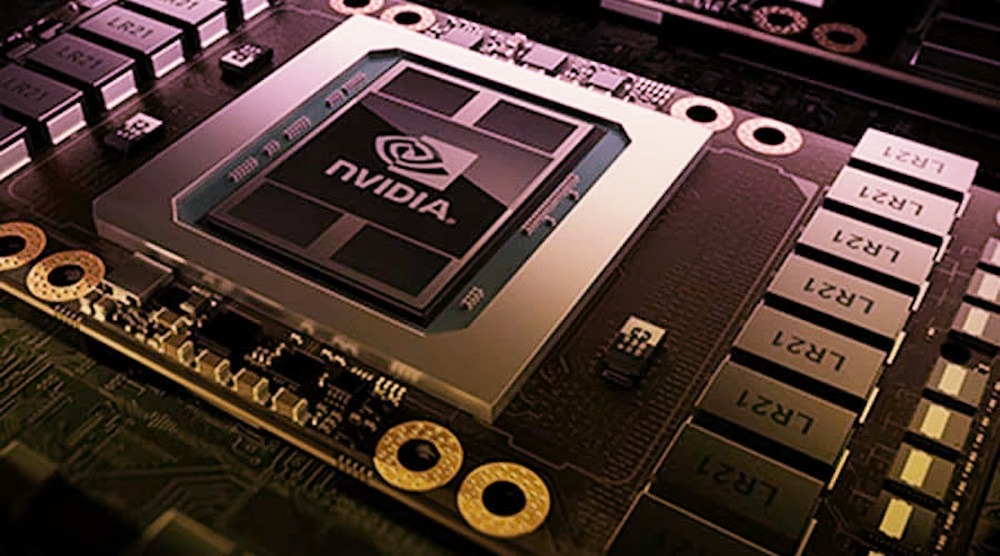
Nvidia has informed Chinese clients that it is assessing the possibility of increasing production capacity for its advanced H200 AI chips, following reports that orders have surpassed its existing output level, according to two sources familiar with the situation. The decision follows US President Donald Trump’s statement on Tuesday that the US government would permit Nvidia to export H200 processors, the company’s second-fastest AI chips, to China, while imposing a 25 percent fee on these transactions. According to the sources, the demand for the chip from Chinese companies is so robust that Nvidia is considering increasing its capacity. They chose to remain anonymous as the discussions are confidential. “We are managing our supply chain to ensure that licensed sales of the H200 to authorized customers in China will have no impact on our ability to supply customers in the United States,” an Nvidia spokesperson said in a statement.
Major Chinese companies, including Alibaba and ByteDance, have approached Nvidia this week regarding the purchase of the H200 and are eager to place substantial orders, as reported on Wednesday. However, uncertainties persist, as the Chinese government has not yet approved any purchase of the H200. Chinese officials held emergency meetings on Wednesday to deliberate the issue and will determine if it can be shipped into China, according to one of the two sources and a third source. According to a report on Wednesday, production of H200 chips is currently very limited, as the US AI chip leader prioritizes the manufacturing of its most advanced Blackwell and forthcoming Rubin lines.
Chinese clients have expressed significant concern regarding the supply of H200 chips and have sought clarity from Nvidia on this matter, sources indicate. Nvidia has provided guidance on current supply levels during the briefing, according to one of the first two individuals, though a specific number was not disclosed. The H200 entered mass deployment last year, marking it as the fastest AI chip in Nvidia’s prior Hopper generation. The chip is produced by TSMC, utilizing the Taiwanese company’s advanced 4nm manufacturing process technology. The robust demand for the H200 among Chinese companies arises from its status as the most powerful chip available to them at present. Trump’s decision on the H200 arises amidst China’s efforts to advance its domestic AI chip industry. Concerns have arisen that permitting the H200 into China could hinder the domestic chip industry, as local companies have not yet developed products that can compete with the H200.
“Its (H200) compute performance is approximately 2-3 times that of the most advanced domestically produced accelerators,” stated Nori Chiou. “I’m already observing many CSPs (Cloud Service Providers) and enterprise customers aggressively placing large orders and lobbying the government to relax restrictions on a conditional basis,” he stated, noting that Chinese AI demand exceeds the capacity of local production. In the course of the emergency meetings, a proposal emerged to mandate that each H200 purchase be accompanied by a specific ratio of domestic chips, as stated by one of the initial two sources and corroborated by a third source. For Nvidia, the task of adding new capacity presents significant challenges, particularly as it navigates the transition to Rubin while simultaneously competing with firms like Alphabet’s Google for the scarce advanced chipmaking resources available from TSMC.