Nvidia, AMD to split 15% of China AI chip sales with US
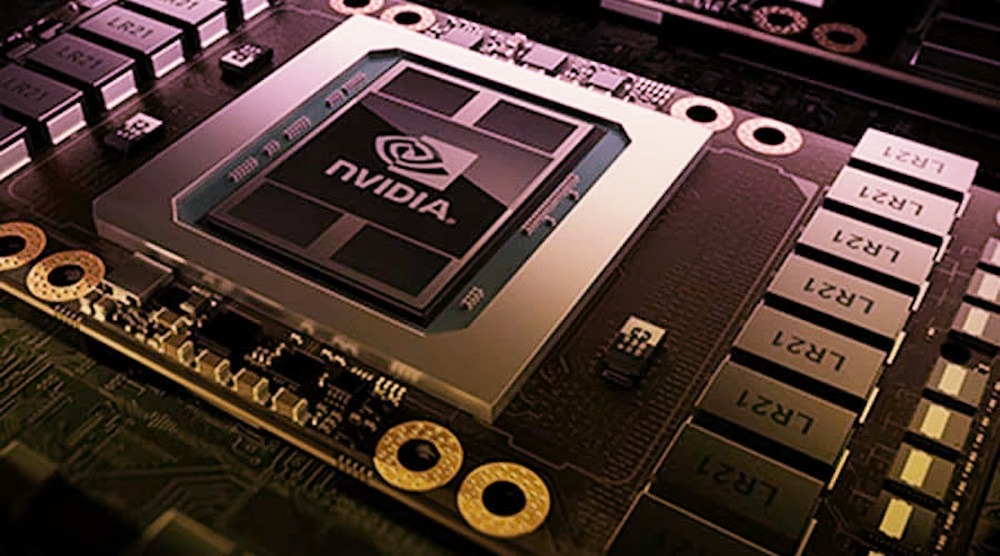
Chip manufacturers Nvidia and Advanced Micro Devices (AMD) are set to allocate 15 percent of their revenue derived from AI chip sales to China to the US government. The agreement emerges subsequent to a discussion held between Nvidia’s chief executive officer, Jensen Huang, and US President Donald Trump at the White House in the previous week.
Following the meeting, the US Commerce Department initiated the issuance of licenses for the sale of AI chips to China, as indicated in the report. Last month, the Trump administration granted approval for the sale of Nvidia’s H20 chips to China; however, the licenses were only issued in the past week. The transaction is anticipated to yield $2 billion for the United States. While Huang has spearheaded negotiations, AMD is concurrently marketing AI chips to China. Nvidia’s H20 chips and AMD’s MI308 chips are encompassed within the parameters of the agreement.
The arrangement has the potential to yield approximately $2 billion for the US government. Nvidia is anticipated to generate sales exceeding $15 billion from H20 chips by year-end, whereas AMD’s sales in China may approach $800 million. While it may be atypical, the transaction is not without precedent. The Trump administration has historically engaged in the oversight of corporate transactions involving US firms, exemplified by the June endorsement of Nippon Steel’s investment in US Steel, which featured a “golden share” structure. Trump has employed tariffs as a mechanism to incentivize the relocation of manufacturing to the United States. Huang’s meeting with Trump occurred just prior to the administration’s declaration of 100 percent tariffs on imported semiconductors.
The recent adjustment in the United States’ approach to China reflects a significant change in geopolitical strategy. The United States has asserted its position of not exporting its most advanced chips to China in order to safeguard its technological advantage. In a recent interview with CNBC, US Commerce Secretary Howard Lutnick articulated that the United States would refrain from selling China its leading three chip categories, emphasizing that the primary objective is to maintain a competitive edge over China.
The H20 chip was specifically engineered for the Chinese market and exhibits lower performance capabilities compared to chips distributed to US enterprises and their allies. The administration has indicated its intention to persist in obstructing the sale of Nvidia’s most advanced products to China.