Mercedes Surpasses Auto-Margin Expectations with Premium Model Sales
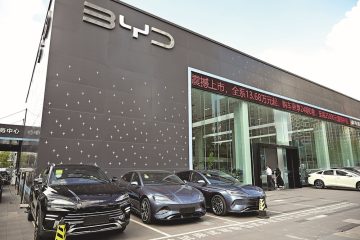
Mercedes-Benz, a German automobile manufacturer, made the announcement on Wednesday that its core automobiles business achieved margins that were stronger than that which was anticipated. This was driven by increased sales of premium models. The impact of one-time costs that were related with job losses and a decline in sales in China was lessened as a result of this performance. When it comes to the premium and luxury market in China, Mercedes, along with other competitors like Porsche and BMW, has considerable obstacles. The burden of import tariffs from the United States is compounding the consequences of a price war.
“We are steering the company through a challenging business environment,” said Ola Kaellenius. He highlighted tariffs, fierce competition in China, and the push towards electric vehicles as some of the challenges that the company is facing. The return on sales for Mercedes-Benz’s automobile division was 4.8 percent during the third quarter, which is an increase from 4.7 percent during the same period in the previous year. This figure is higher than the average estimate of 3.9 percent that was derived from a survey conducted by Visible Alpha.
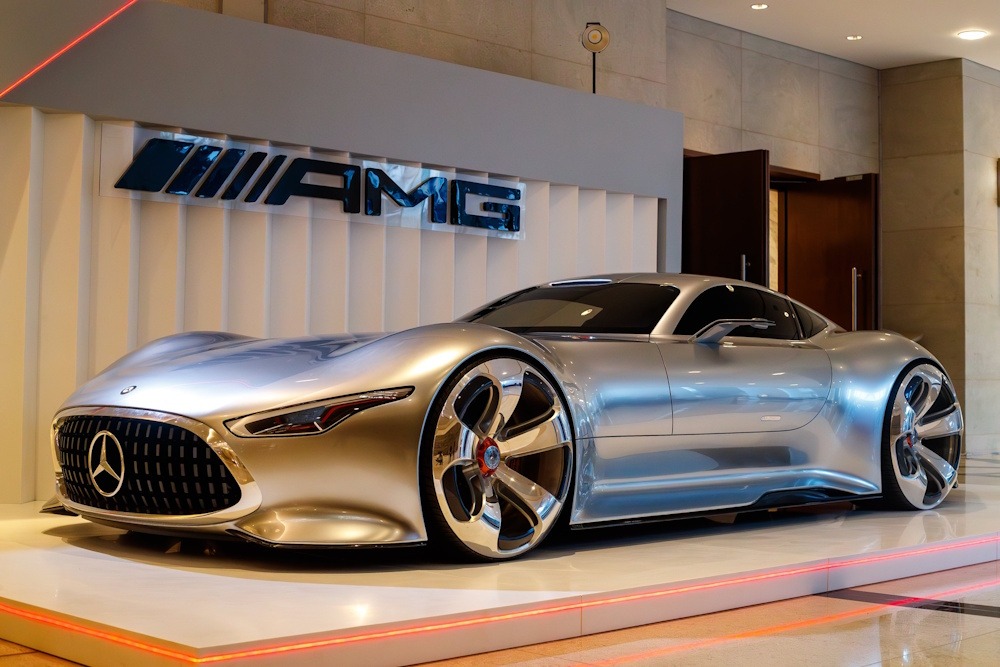
This was reinforced by a ten percent increase in luxury models, which included the lucrative Maybach and AMG brands. Additionally, the business’s free cash flow reached about 1.4 billion euros ($1.6 billion), which led to the company resuming its share repurchase program. In the meantime, the company’s operating profit dropped by seventy percent as a result of the costs associated with layoffs. This is because the corporation is undergoing restructuring procedures with the goal of saving five billion euros worldwide by the year 2027. “I believe you are clearly fulfilling the commitments you made to us,” Tim Rokossa said during a results call with management. He also brought attention to the fact that the repurchase program has been restarted.
As of 09:23, the business’s stock had increased by six percent, reaching a seven-month high. This occurred after the announcement was made for the company. Tariffs in the United States, falling sales in the fiercely competitive Chinese market, and European emissions limits that have led to a worrying transition towards electric vehicles that compress profit margins are some of the fundamental issues that Mercedes faces in its key markets. Despite the difficulties that the automobile manufacturer is facing in China, which Kaellenius described as a “multi-year task,” he highlighted that the company’s goal is to avoid becoming involved in a price war. The company is instead concentrating on adjusting its pricing structures to be more appropriate for the region and offering technology features in order to attract clients.