EV Surge Drives 21% China Car Exports But Domestic Demand Falls
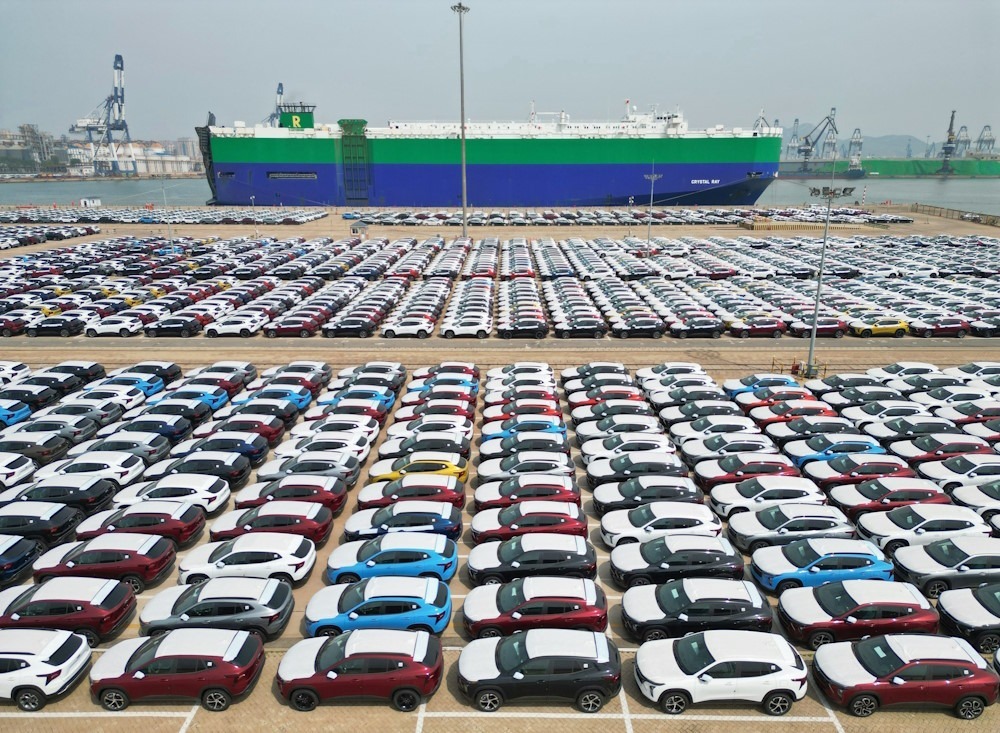
In 2025, China’s auto exports experienced a remarkable increase of 21 per cent, propelled by a rise in electric vehicle shipments, even as domestic demand showed signs of slowing, according to a report released on Wednesday. According to a report, as Chinese automakers expanded further into overseas markets, exports of new energy vehicles, including EVs and plug-in hybrids, doubled from the previous year to 2.6 million units. Overall vehicle exports from China surpassed 7 million units, reflecting a 21 per cent increase from the previous year. Chinese car exports are anticipated to keep rising this year, as its automakers navigate an escalating price war domestically amid weakening demand.
Throughout the previous year, passenger car sales in China experienced a 6 per cent increase, reaching a total of 24 million units. However, sales in December experienced an 18 per cent decline compared to the same month last year. Automakers have benefited from government trade-in subsidies designed to promote the transition to electric vehicles; however, demand has recently diminished as these payments have been reduced. Faced with intense competition in a saturated domestic market, Chinese auto manufacturers have intensified their sales efforts worldwide. Deutsche Bank has projected that China’s passenger vehicle exports are set to rise by 13 percent year-on-year in 2026. A recent report from the bank’s economists indicated that overseas markets provide relatively higher profitability for Chinese automakers, in addition to faster growth. On Monday, China and the European Union announced their agreement on measures to address a standoff regarding exports of China-made electric vehicles to the bloc.
Analysts suggest that this development is likely to enhance the flow of Chinese EV exports to Europe. Cui Dongshu stated that China’s EV exports to the EU are expected to increase by an average of approximately 20 percent annually from 2026 to 2028. According to Stephen Chan overseas markets currently account for less than 10 percent of revenue for most Chinese automakers, although leading players such as BYD experience greater contributions from international sales. “We believe the (overseas) contribution will likely rise over the next two years as exports expand,” he said. Key export destinations are expected to continue being Russia, Latin America, the Middle East, Europe, and Southeast Asia, which collectively represented approximately 70 percent of 2025 volumes, he said. Chinese automakers encounter significant challenges in more affluent markets, such as the US and Canada, where substantial tariffs on electric vehicles are in place.
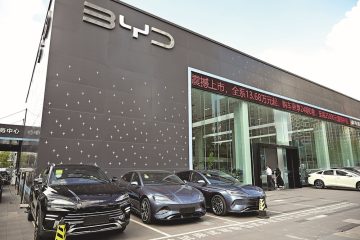
In 2025, BYD of China eclipsed Tesla to become the largest electric vehicle manufacturer in the world. In December, BYD reported a total of 420,398 deliveries across all vehicle types, reflecting an 18 percent decline compared to the previous year. “Domestic passenger car sales will likely drop further in 2026,” said Paul Gong. According to analysts, China’s subsidies for new passenger cars are shifting this year from flat rates to a system that is based on new car prices, which is likely to increase pressure on the sales of more affordable vehicles. According to a recent report by S&P, over fifty percent of new passenger vehicle sales in China are attributed to cars priced under 150,000 yuan (USD 21,510). To secure sales, they (automakers) could focus on enhancing product features or subsidizing consumers from their own resources, its analysts wrote.