Bose ends cloud support for SoundTouch lineup, sparking customer backlash
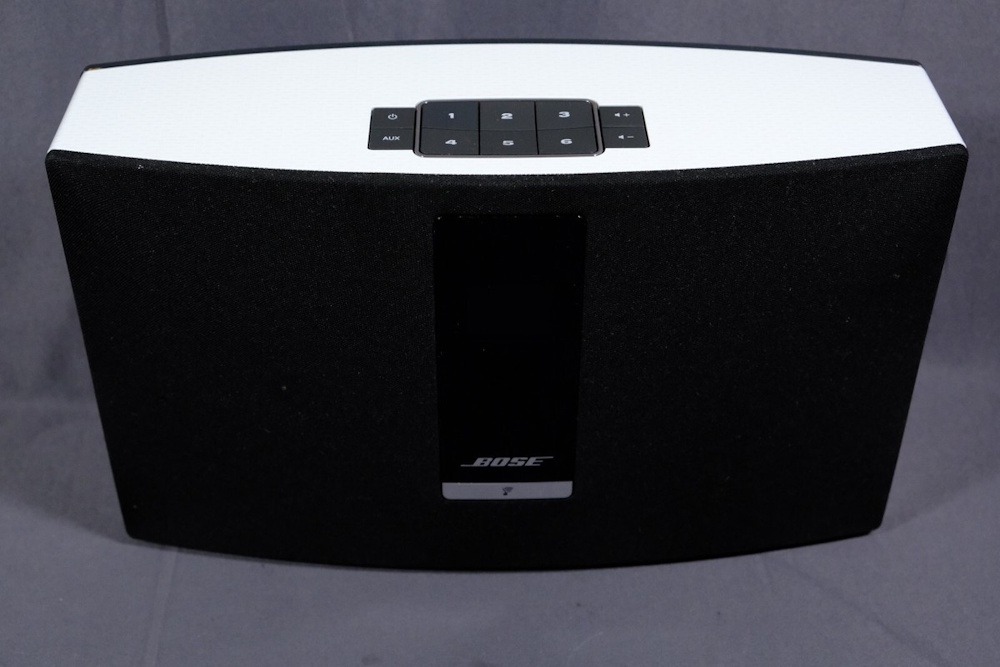
The “SoundTouch” range of audio speakers from Bose Corp. will no longer be able to stream music directly from services like Spotify, Pandora, Amazon Music, and others starting in February, the company stated this week. Customers who continue to own and actively use the products, many of whom have invested thousands of dollars into Bose hardware, promptly expressed their frustration with the company’s decision, characterizing it as yet another instance of so-called “smart” consumer tech gadgets facing an arbitrary expiration date. “We had to make the difficult decision to retire the cloud infrastructure that supports our SoundTouch systems, originally introduced over a decade ago in 2013,” a Bose spokesperson told, reflecting a message that was communicated to SoundTouch customers on Thursday. “Technology has advanced considerably since then, and while SoundTouch has served our customers well, maintaining its aging platform at the level of performance and security that our customers expect — and we hold ourselves to — is no longer sustainable,” the spokesperson added.
The company clarified that third-party technologies utilized by popular music services also contributed to the decision. Bose stated that any SoundTouch speakers equipped with Bluetooth, auxiliary line-in connections, or an HDMI port will continue to be capable of playing audio from devices. However, cloud support, essential for the products to interact with streaming music services, will cease on February 18th. “We recognize this change may take some adjustment and want to provide customers with the information they need for the transition,” the spokesperson stated. “Looking ahead, we’re focused on building the next generation of connected listening experiences powered by modern technologies.” Shortly after being informed about the situation, customers flocked to Bose’s Reddit forum to express their discontent and frustration regarding the impending shutdown. Richard Lomas continue to utilize a SoundTouch speaker at their senior living residence. They have become familiar with using the device’s preset buttons to effortlessly access their favorite music stations, but soon those buttons will cease to function.
“They don’t have cellphones anymore due to dementia,” Lomas stated. “There will be no using aux or Bluetooth or AirPlay as were suggested to me by Bose.” This evokes a profound sense of sadness and frustration simultaneously.” Lomas stated that he possesses “well over” $1,000 worth of Bose equipment but will refrain from buying any more products from the company if the choice to take SoundTouch offline remains in effect. “This is a red line. You don’t treat customers like this,” he said. Bose is providing affected customers with a 25 per cent discount on future purchases. Bose has communicated in follow-up replies to certain users that it is “actively evaluating trade-in and upgrade options that can provide a more meaningful path forward.” The company extended an apology to Lomas via email, recognizing that their current products “may not replicate the exact SoundTouch experience you and your family have relied on for years.” Other connected speaker manufacturers have faced comparable challenges.
In 2020, Sonos Inc. declared its decision to abandon its earliest products on the company’s “S1” platform, opting instead to upgrade newer hardware to a more contemporary “S2” software framework. Despite separating its devices in this manner, Sonos continued to provide cloud support for those older products: They remain capable of connecting to and streaming content from services such as Spotify. Bose has made the decision to fully suspend cloud functionality for all SoundTouch products. Bose frustrates customers by discontinuing cloud streaming for older SoundTouch speakers