Amazon Cloud Surge Fuels Investor Optimism in AI Spending Wave
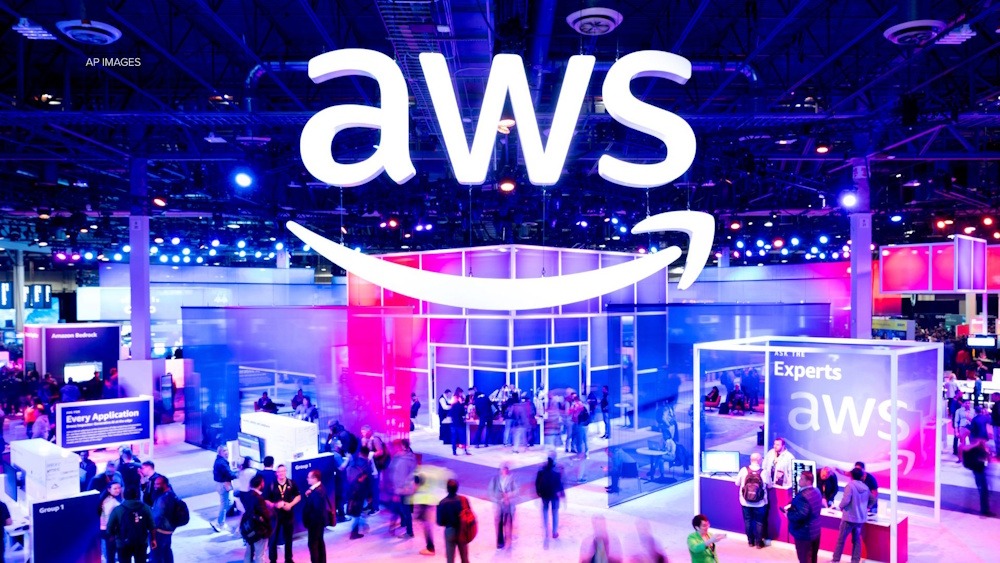
Amazon.com Inc. reported strong cloud growth, providing reassurance to investors that the substantial investments—amounting to tens of billions of dollars—that the company and its competitors are making in artificial intelligence will yield positive returns. In the third quarter, Amazon Web Services reported revenue of $33 billion, marking a 20 percent increase compared to the same period last year, the company stated on Thursday. The gain surpassed the 18 percent growth anticipated by analysts and represented the largest year-over-year increase since the introduction of OpenAI’s ChatGPT in late 2022. The results underscore the rationale that leading technology firms like Microsoft Corp. and Alphabet Inc.’s Google have employed to defend their unprecedented investments in data center development — that the demand for AI is surpassing the availability of global computing capacity. Amazon’s results were released a day after investors reacted negatively to Meta Platforms Inc. for forecasting even higher expenditures in 2026. In contrast to Microsoft and Google, Meta does not serve as a significant cloud-computing provider for external clients, indicating that its spending spree may carry greater risks. Amazon’s shares surged 12 per cent to $249.42 as the markets opened in New York on Friday, marking the largest intraday increase since April.
The stock’s performance has fallen short compared to its industry peers this year, leading to investor concerns that the company has not yet shown sufficient advantages from its artificial intelligence products. In its most recent quarter, Microsoft’s Azure cloud business experienced growth at nearly double the rate of AWS, while Google Cloud reported a growth of 33.5 percent. “Clearly AWS continues to drive the bus here, with acceleration in growth and better-than-expected operating margin,” analysts stated in a research note following the earnings report. “The acceleration assists in alleviating certain aspects of the narrative concerning the company’s absence of strategic vision or competitive edge in the evolving AI landscape.” Andy Jassy has elevated the company’s capital spending to an unprecedented level in the quarter to maintain competitiveness in an arms race with its largest rivals. Heading into Thursday’s earnings report, investor expectations for Amazon’s cloud business were notably subdued, following the company’s recent disclosures about challenges in launching new data centers. Jassy and other executives expressed optimism regarding the business, although they refrained from predicting a reacceleration of growth.
Jassy commenced a conference call with analysts following the release of results by expressing enthusiasm for AWS and detailing figures regarding the influence of AI on the company’s operations, many of which Amazon had not previously revealed. The company estimates that Rufus, the shopping chatbot embedded in its retail apps, “will help deliver an additional $10 billion in annual sales.” Connect, the company’s call center product regarded as its most successful software offering for office workers, is projected to generate $1 billion in annualized revenue, Jassy stated. Bedrock, the AWS marketplace designed for businesses to access AI models, has the potential to become as significant a business as EC2, the computing service that stands as one of the cloud unit’s main revenue generators. “We have momentum,” he stated. “You can see it.” In the quarter ending September 30, Amazon reported a 13 percent increase in total sales, reaching $180.2 billion, according to the company’s statement. According to data, analysts, on average, were anticipating $177.8 billion. Under Jassy, Amazon has been focused on enhancing the profitability of its retail operations by increasing automation and promoting higher-margin advertisements and additional services to online merchants. The focus has shifted away from that work as investors turn their attention to the company’s struggle in the AI market. Similar to its major competitors, Amazon has made substantial investments in data centers and chips to develop and manage AI models that can produce text or images and streamline processes. Capital expenditures increased by 61 per cent to $34.2 billion in the quarter, according to Brian Olsavsky. The power capacity of the AWS data center fleet has doubled since 2022, and Jassy stated he anticipated it would double once more by 2027. Last week, the unit experienced its most significant outage in years.
Amazon has aimed to establish its cloud business as a marketplace for a diverse array of AI tools; however, at present, it heavily relies on one key partner: Anthropic PBC, the creator of the Claude chatbot and software coding assistant. Amazon is supporting Anthropic with an investment of $8 billion and has constructed a substantial complex of data centers along with custom AWS AI chips for the startup. The company announced this week that the system, known as Project Rainier, is operational. Amazon announced that its Trainium2 chip was “fully subscribed” and indicated a multibillion-dollar business. Google has recently revealed a deal to supply Anthropic with a selection of its own chips. In the third quarter, Amazon reported operating income of $17.4 billion. This figure included a $2.5 billion charge associated with a legal settlement announced last month with the Federal Trade Commission regarding Prime subscriptions, as well as $1.8 billion allocated for estimated severance costs. The company announced earlier this week that it plans to reduce its workforce by approximately 14,000 corporate employees and cautioned of additional layoffs in 2026. Amazon has forecasted that revenue for the holiday quarter will range from $206 billion to $213 billion, aligning with analysts’ estimates. Operating profit is projected to be between $21 billion and $26 billion, aligning with expectations. In the third quarter, sales generated by the online store business rose by 10 percent to $67.4 billion. Advertising unit revenue surged by 24 percent, reaching $17.7 billion, while services from third-party sellers on Amazon’s e-commerce platform saw a 12 percent rise, reaching $42.5 billion.