JPMorgan offloads $30B in LBO debt as market wavers
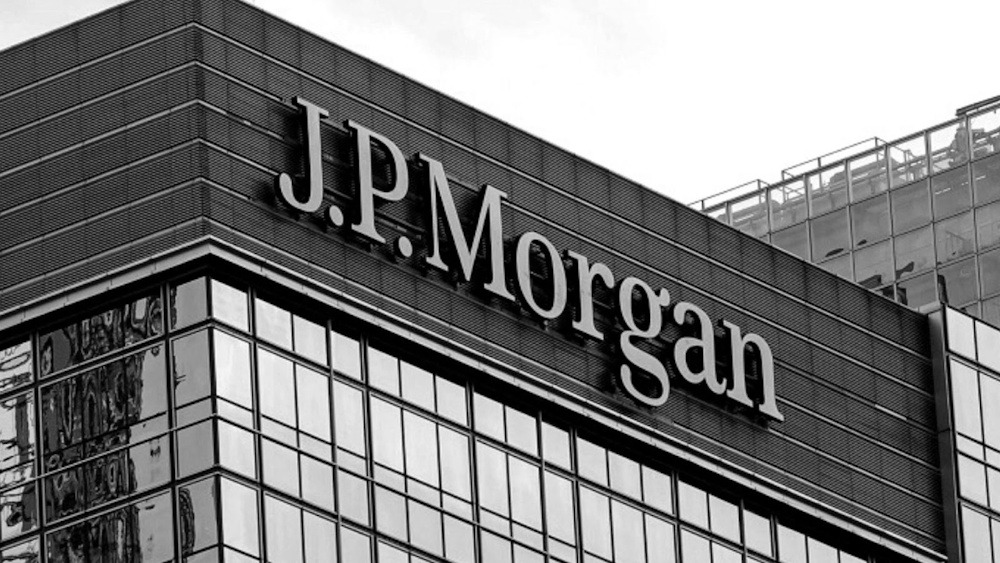
Jamie Dimon has been cautioning for weeks — months, even — that the credit cycle will inevitably take a downturn. Now, his bank is poised to gauge investors’ appetites. JPMorgan Chase & Co. is preparing to assist issuers in selling billions of dollars in junk bonds and leveraged loans, with transactions aimed at financing the buyouts of Electronic Arts Inc. and Sealed Air Corp. set to commence next week. Further transactions driven by mergers and acquisitions are being planned, including one involving the software company Qualtrics International Inc. The total of those offerings exceeds $30 billion in debt. The JPMorgan bankers managing these transactions are aware of their Chief Executive Officer’s remarks: certain firms are engaging in “dumb things” to enhance profitability; identifying one “cockroach” in the market suggests there are likely more lurking around. The US conflict with Iran has also contributed to increasing oil prices and heightened concerns regarding inflation.
Meanwhile, the artificial intelligence “scare trade” has significantly impacted software sector valuations. Despite all of that, they are entering the market with the assurance that investors will overlook those risks, remain unfazed by headlines, and recognize the value in their offerings. Some investors may be eager to buy up new deals, especially if choppy conditions create chances to snare debt at cheaper-than-anticipated levels, as noted by Wayne Dahl, a managing director and co-portfolio manager at Oaktree Capital Management. “When large deals come, sometimes they will come at a discount, and that can often lead to opportunities for investors,” he said. EA, for instance, is anticipated to provide loan investors the opportunity to purchase certain loan debt at a discount ranging from 98.5 to 99 cents on the dollar. However, should market conditions deteriorate, underwriters might need to reduce the price further to attract additional buyers. An influx of what is referred to as dry powder could assist issuers in locating buyers.
Elon Musk’s companies are set to repay approximately $17.5 billion to debt investors, thereby providing them with increased capital for future ventures. Callable bonds, tenders, and maturing securities indicate that there is “always cash coming into these markets,” Dahl said. Prior to JPMorgan initiating the marketing of debt for EA’s acquisition, the lender convened the leading firms in leveraged finance in Miami Beach for an opportunity to meet with Andrew Wilson, the CEO of the video-game company. Those investors are anticipated to acquire over $500 million in EA debt each. That hasn’t just reduced how much the banks need to sell to the rest of the market next week; it also highlights another aspect of the leveraged capital universe — large investors are seeking new debt and in significant amounts, according to Michael Levitin. “If you’re an institutional investor, you need liquid, scalable exposure,” he stated. In addition to EA, Sealed Air, and Qualtrics, purchasers of bonds and loans are uncertain about the timing of the next significant leveraged buyout, particularly if the ongoing conflict continues to hinder the M&A market.
Nevertheless, not all credits hold the same value. According to individuals familiar with the discussions, the Qualtrics deal is garnering less support from investors in comparison to the proposed transactions involving EA and Sealed Air. The banks that underwrote these transactions alongside JPMorgan are evaluating the market with EA and Sealed Air initially before proceeding with syndication efforts for additional deals, according to individuals who spoke on the condition of anonymity to share insights on private discussions. Market uncertainty, on the other hand, may intensify. The conclusion of the war remains uncertain, and an extended conflict could potentially lead to inflationary pressures and a reduction in consumer spending. At this moment, timing is crucial. Investment-grade borrowers seized a brief moment of stability to secure nearly $115 billion in bonds this week, approaching record levels. For bankers, that serves as evidence that one must act swiftly when investors are receptive to opportunities. “It might not be the ideal environment, but it’s more important to get certainty of capital,” stated Christopher Gerry. “You don’t want to let perfection get in the way of ‘very good’.”