US seeks permanent ecommerce tariff ban despite resistance
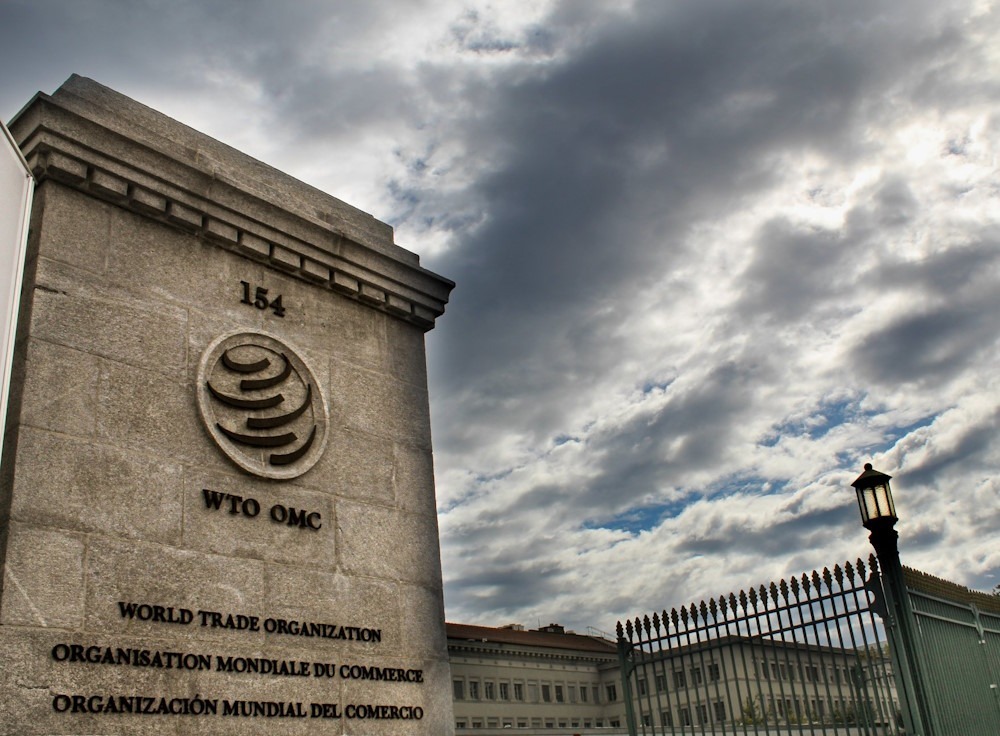
The US is advocating for a permanent international ban on tariffs related to ecommerce, preparing for a discussion on America’s supremacy in digital services and data flows at the upcoming World Trade Organization’s ministerial later this month. The WTO’s “moratorium on customs duties on electronic transmissions” has been renewed every two years since its inception in 1998, during the early stages of digital commerce. The wording of the prohibition was intentionally vague at the time, but it is now understood to encompass economic activities that have become commonplace — including online purchases, social media interactions, data transfers, and video calls. The moratorium has created a rift among nations for nearly three decades, with economies such as Brazil, India, and South Africa contending that they wish to maintain their domestic policy options instead of merely endorsing it. Underlying that ambiguous rationale are apprehensions regarding the decline in customs revenue as online services supplant traditional goods purchases, the increasing market dominance of US Big Tech, and recent concerns surrounding data sovereignty and security linked to the rapid expansion of artificial intelligence.
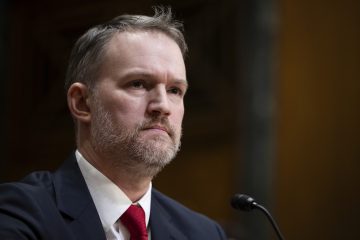
A draft WTO statement of support for the moratorium, which circulated in late February, included the US, Singapore, Argentina, Japan, South Korea, Mexico, and 13 other nations. The Trump administration seeks to establish it as a permanent fixture, positioning it as the most significant issue confronting the Geneva-based organization during its 14th biennial ministerial conference, MC14, scheduled for March 26-29 in Cameroon. “Now is the time, in our view, for the WTO to act and for the ministers to make the ecommerce moratorium permanent,” stated Ambassador Joseph Barloon, who served as President Donald Trump’s representative at the WTO. “Businesses need that stability we think to really further digital trade, and just having that go from MC to MC to MC does not send the right signal.” “So that’s a key priority.” In an interview on Friday, Barloon stated, “the US currently has 22 co-sponsors.” According to European Commission spokesman Olof Gill, the European Union’s long-time support for a permanent extension remains in effect. As MC14 approaches in Yaounde, the capital of Cameroon, South Africa’s position remains ambiguous, while India has expressed its concerns.
Barloon stated that the traditional holdouts in the moratorium debates have an opportunity to convey to the world that the WTO can adapt to the internet age. Countries have a chance to “send a signal to the world that the WTO can actually adapt, the WTO can actually become more relevant for today’s economy,” he said. “We remain optimistic that the other members, who have historically been more reluctant to support the moratorium, will ultimately consent to making it a permanent measure.” The stakes are significant and increasing for companies such as Spotify Technology SA, Alphabet Inc.’s Google, and Amazon.com Inc., as well as for governments seeking revenue in their jurisdictions. The WTO estimates that digitally delivered services exports reached $4.8 trillion in 2024, approximately double the level achieved in 2017. Approximately 70 percent of that total originated from firms in Europe and North America. The taxation and regulation of digital services have long been a source of contention between Washington and Brussels. The Trump administration has expressed concerns regarding the perceived unfair treatment of US companies and has indicated a willingness to pursue remedies through Section 301 investigations, similar to those initiated by the White House last week. However, customs duties on online trade continue to be an unresolved matter.
Global business organizations regard the WTO moratorium as crucial for ensuring certainty and expanding access to digital innovations and efficiencies for emerging economies. Another timely advantage is maintaining the internet free from the protectionist actions and retaliatory tariffs that have characterized merchandise trade over the past decade. While another moratorium extension is likely, Washington’s push for permanence may face challenges in a political environment characterized by heightened trade tensions and the US imposing tariffs on the majority of its major trading partners. “We’ve seen, particularly in the past two or three months in Geneva, a real shift in the mood music around the moratorium,” said Andrew Wilson. “Now the vibe we get is very much that it’s unlikely that the US proposal for a permanent prohibition will pass, but there could be a compromise where instead of the usual two-year extension,” countries could renew it for four years, he said. In the absence of an extension in Yaounde, the moratorium will conclude at the end of March, potentially allowing customs officials to begin collecting duties on digital services provided by foreign companies.
Most observers, however, view that as a distant possibility in the near term, considering the significant technical challenges involved in measuring transactions that travel invisibly across borders via fiber optic lines, mobile networks, and subsea cables. Such actions would probably provoke a backlash from the US. For WTO members, not extending the moratorium would represent a significant setback for Director-General Ngozi Okonjo-Iweala’s agenda and further hinder the forum’s efforts to establish the rules of international trade through consensus. Despite the Trump administration’s critiques of the WTO’s effectiveness, it recognizes the importance of maintaining a tariff-free global internet as a valuable aspect of multilateralism. “The time has come to make this moratorium, which benefits all the members, to make it permanent. And we’re hopeful that we’ll be able to achieve that,” Barloon said. “Frankly, we believe that the idea of merely postponing the issue is unproductive.” Indonesia, once a consistent holdout in approving extensions of the moratorium, has recently pledged its support within the trade deal framework signed with the US in February. Some observers regarded that as a significant breakthrough.
Securing another extension — whether permanent or for an additional two years at minimum — probably depends on India’s support, similar to the situation at the WTO’s last ministerial conference in Abu Dhabi in 2024. The US and India are presently engaged in discussions regarding the intricate details of a trade deal, as highlighted in a White House statement issued on February 9, which includes commitments related to digital initiatives. India “committed to negotiate a robust set of bilateral digital trade rules that address discriminatory or burdensome practices and other barriers to digital trade.” The statement was less specific regarding its stance on customs duties on electronic transmissions compared to an earlier version that underwent revisions, contributing to the uncertainty surrounding India’s position. “I still doubt there will be agreement on a permanent moratorium due to the need for consensus, and the fact that many other countries still oppose it,” said Martina Ferracane. “There might be space for a temporary renewal.”