US Explores Options as WTO Talks Collapse on E-commerce Duty Freeze
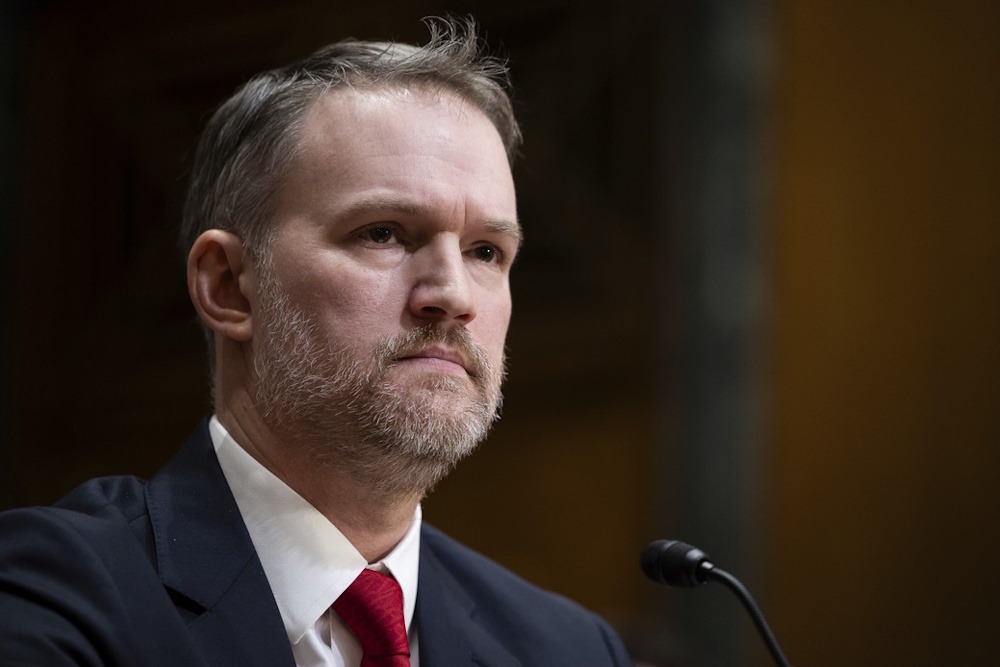
Countries at the World Trade Organization were unable to reach a consensus on reforms or to extend a long-standing moratorium on e-commerce duties. This situation has led the United States to pursue alternative agreements and indicate a diminished role for the multilateral organization in shaping global trade policy. After four days of discussions in Yaounde, Cameroon, the talks concluded early Monday without reaching a consensus, as Brazil and Turkey opposed a proposal to extend the moratorium on duties for digital trade, including downloads and streaming. The lapse signifies the first occasion in 28 years that the measure has come to an end.
US Trade Representative Jamieson Greer stated, “Washington would work with like-minded partners outside the WTO if the moratorium is not restored.” He stated that agreements had already been established with numerous countries to refrain from imposing tariffs on US digital transmissions. Greer, a pivotal figure in President Donald Trump’s tariff-driven trade agenda, expressed discontent with the meeting’s outcome, labeling it an impasse and raising concerns about the organisation’s effectiveness. “I have always been sceptical of the value of the WTO, and this week’s conference confirmed that this organisation will play only a limited role in future global trade policy efforts,” Greer stated. The breakdown highlights the escalating challenges facing the WTO, which has been increasingly marginalized in the context of rising economic nationalism. Experts indicated that the inability to prolong the moratorium further diminishes trust in the institution.
Andrew Wilson remarked that the outcome signified “another crack in the foundations” of the WTO system, as industry representatives cautioned that digital trade issues had become excessively politicised. In the face of challenges, a coalition of 66 WTO members has reached a consensus to advance a foundational framework for digital trade regulations, indicating a transition towards more compact, plurilateral agreements. Experts warned that such arrangements might lead to a complicated “spaghetti bowl” of overlapping agreements. Dmitry Grozoubinski stated that the trend poses risks to the complexity of global trade governance.
Attempts to reconcile differing views on the moratorium encompassed suggestions for extensions varying from two years to a permanent solution; however, the negotiations ultimately did not succeed. Developing countries contended that prolonging the moratorium would rob them of potential tax revenues from digital trade. Ngozi Okonjo-Iweala stated that discussions would persist in Geneva, conveying optimism that the moratorium might still be reinstated. The deadlock underscores the growing chasm between developed and developing countries regarding digital trade, alongside larger conflicts concerning the future function of multilateral institutions in influencing global commerce.