Trump’s Order Aims to Curb State AI Regulations Through Lawsuits
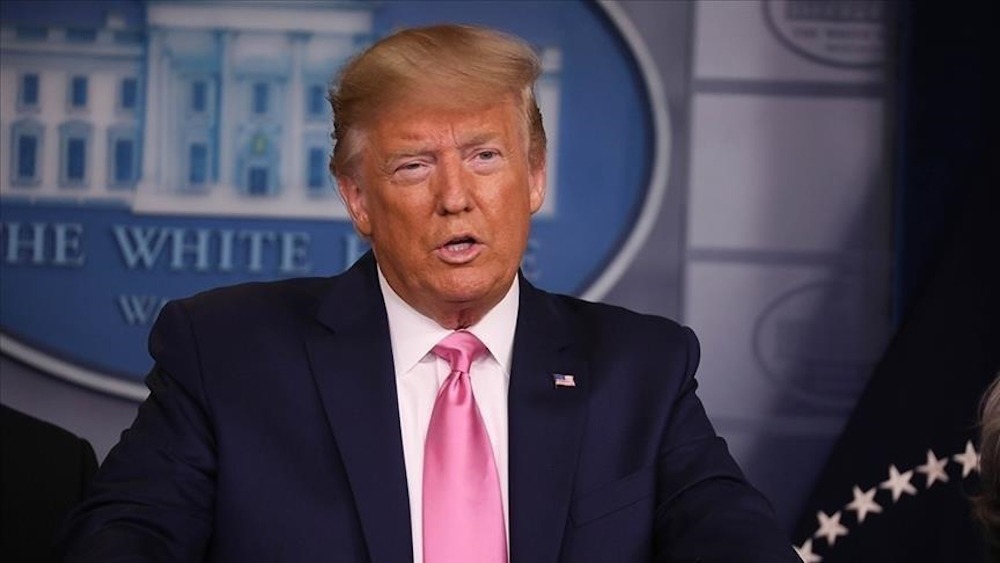
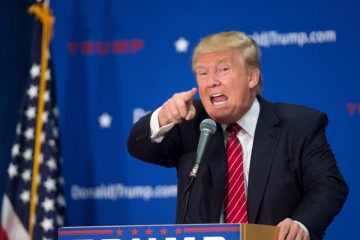
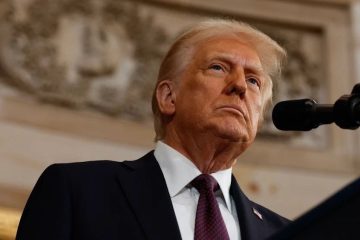
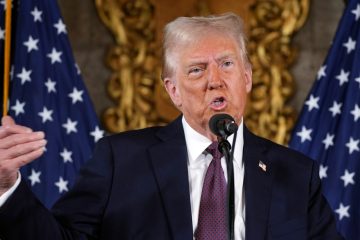
President Donald Trump signed an order designed to counter state-level regulation of artificial intelligence by means of lawsuits and funding cuts, delivering a victory to tech industry leaders advocating for the preemption of local rules. Trump stated that the measure was essential to support the emerging technology and address a fragmented array of state-level regulations that the industry fears will hinder its growth. “You have to have a central source of approval when they need approval.” Thus, everything must converge to a single source. “They can’t go to California, New York and various other places,” Trump said Thursday during an event. In pursuit of that goal, the order mandates the US attorney general to form a “AI Litigation Task Force” tasked with contesting state AI laws that are deemed “inconsistent” with that policy. The directive also instructs the secretary of Commerce to engage with other officials and “publish an evaluation of existing State AI laws that identifies onerous laws that conflict with the policy” within a 90-day timeframe.
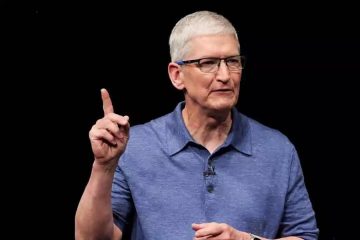
The Commerce secretary is required to issue a notice detailing the conditions that will determine states’ eligibility for funding through the Broadband Equity Access and Deployment Program. Executive departments will have the authority to evaluate discretionary grant programs in collaboration with Trump’s special adviser for AI and crypto. This assessment aims to ascertain whether agencies can impose conditions on these grants, specifically requiring states to refrain from enacting AI laws that contradict the president’s objectives. Led by White House AI czar David Sacks, the directive represents the culmination of months of lobbying efforts by AI companies, including OpenAI and Alphabet Inc.’s Google, alongside the influential venture capital firm Andreessen Horowitz. Executives, including Nvidia Corp. Chief Executive Officer Jensen Huang, have cautioned that the emergence of state laws nationwide threatens to overwhelm a developing industry and could jeopardize US competitiveness with China in AI. Trump stated that he had engaged in discussions with various tech industry leaders regarding the order, noting that Apple Inc. CEO Tim Cook, who has been in Washington this week, was included in those consultations.
“They won’t be able to do this.” This will not achieve success unless there is a singular source of approval or disapproval. Honestly, you may also experience disapproval, but it remains just one perspective. “They can’t go to 50 different sources,” Trump said. The president’s order signifies the most recent action in a sequence of initiatives aimed at enhancing the AI industry since his return to the White House. This includes measures to facilitate infrastructure development and augment energy supply for data centers that demand substantial power. He has also aimed to advance the export of American technology to international markets, including endorsing Saudi Arabia’s acquisition of advanced chips for the kingdom’s state-backed AI initiative. “It is pass/fail versus China,” Treasury Secretary Scott Bessent, who attended the signing, stated to reporters. “We have the lead; we must sustain it.” The White House shifted to the executive order after officials from the Trump administration and Republican lawmakers were unable to incorporate comparable legislation that would preempt state AI laws into a crucial defense bill earlier this month, and a comparable measure pausing state AI laws was rejected by the US Senate in July with a decisive 99-1 vote.
For years, US lawmakers have faced challenges in enacting AI legislation, resulting in the absence of a federal standard to regulate the technology, which has compelled local authorities to address the gap. The order stipulates that the administration is required to collaborate with Congress to establish a “minimally burdensome national standard — not 50 discordant State ones.” It instructs the White House advisor on AI and crypto, along with the assistant to the president for science and technology, to “jointly prepare a legislative recommendation establishing a uniform Federal policy framework for AI that preempts State AI laws that conflict with the policy set forth in this order.” As AI increasingly integrates into everyday life, performing tasks like evaluating job applications, identifying criminal suspects, processing medical claims, and generating images that are nearly indistinguishable from authentic photos or videos, state lawmakers have shown a strong interest in establishing regulatory guidelines. Trump’s order will complicate those efforts, placing any state that enacts legislation in potential conflict with the White House. Tech companies have predominantly resisted state-level regulatory initiatives, especially in California and New York, aimed at holding them accountable for the harms inflicted by AI products such as chatbots. Trump and his allies have heralded the AI boom as a benefit to the US economy, despite the political challenges it presents, such as voter apprehensions regarding rising energy bills from data centers and concerns that the technology may lead to job losses. Following the widespread circulation of a proposed draft of the order in November, New York Governor Kathy Hochul, a Democrat, criticized the initiative, asserting that the White House was attempting to “shield big corporations from taking basic steps to prevent potential harm from AI.” The order also places Trump in opposition to certain governors from his own Republican Party, including Ron DeSantis of Florida and Sarah Huckabee Sanders of Arkansas.