Trump’s Fed Chair Hunt Takes a Wall Street Turn
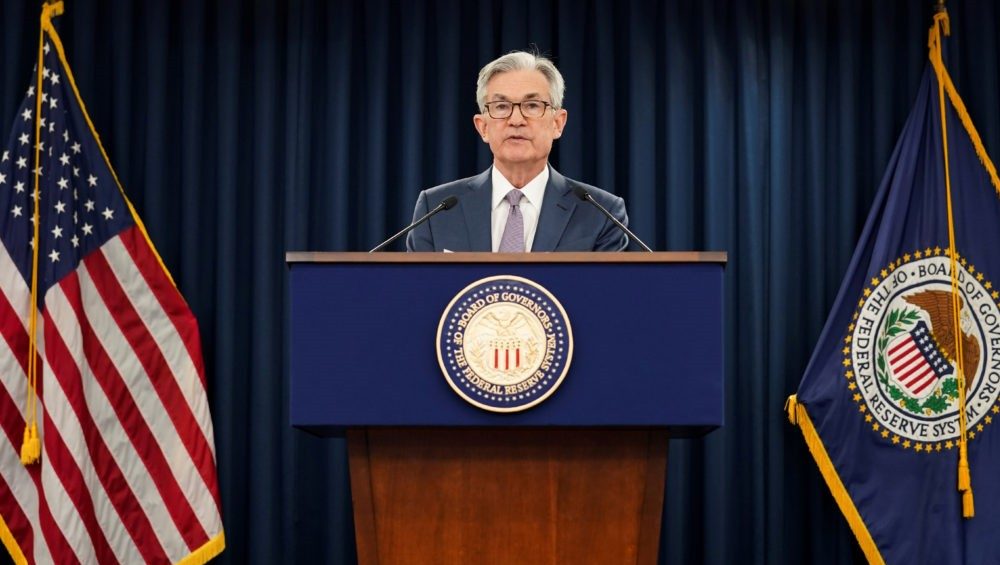
The quest for a successor to Federal Reserve Chair Jerome Powell has taken a new twist, as a surprising candidate emerges: BlackRock’s Rick Rieder. Although the decision remains uncertain, sources informed that the finance executive made a favorable impression on attendees during his interview with President Donald Trump last week. For months, the Trump administration has hinted at a lengthy roster of candidates to succeed Powell when his term as chair concludes in May. Treasury Secretary Scott Bessent has led the effort to identify the pivotal economic position, offering Trump four final candidates as Powell’s term comes to an end: National Economic Council Director Kevin Hassett; former Fed Governor Kevin Warsh; Fed Governor Christopher Waller; and Rieder, BlackRock’s chief bond investment manager. On Wednesday, Trump suggested that he has refined the list of candidates. During a speech at the World Economic Forum in Davos, Switzerland, he reiterated his preference for Hassett, who has long been viewed as the front-runner, to continue in his current role. In a Wednesday afternoon interview, Trump remarked that Rieder was “very impressive. I’d say we’re down to three, but we’re down to two. And I can probably tell you, we’re down to maybe one, in my mind,” he said of his candidate list. He has made similar claims before, only to later change his position. The uncertainty underscores the challenge of identifying a Trump loyalist who is acceptable to both markets and Congress, while also adept at maneuvering through the significant divisions within the Fed to achieve Trump’s goal of lower rates.
The White House remains silent regarding the Fed chair process and specific candidates until the president reaches a decision. Rieder’s interview, occurring on the same day he was seen at a White House ceremony celebrating the Stanley Cup Champion Florida Panthers, represented the last planned candidate meeting for Trump, according to sources. Rieder’s initial meeting at the Oval Office with Trump included Vice President JD Vance, White House Chief of Staff Susie Wiles, and Bessent, according to sources. Dan Scavino, the deputy chief of staff overseeing the White House personnel office, was present as well. Rieder’s candidacy has largely gone unnoticed, even though he is held in high esteem on market and frequently appears on business television to express his insights on the markets. Rieder, who met with Bessent in New York for several hours last September and has been a fixture on the Fed shortlist since, stands out as the only candidate among the final four lacking experience at the Fed or in government service. The outsider status is regarded favorably within the White House: In addition to Trump’s unprecedented criticisms of Powell, Trump’s economic advisors consistently emphasize the necessity for a transformation in the operations of the central bank. Rieder’s television appearances and BlackRock commentary have garnered favorable feedback within the administration for an executive who, until now, has not been a recognized figure in Washington political circles. He has articulated a clear and optimistic perspective on the US investment climate under Trump, which is poised to drive growth in the future.
Regarding monetary policy, Rieder stated last week that concerns about the labor market are paramount and should indicate that the central bank “will respond with modest reductions in the policy interest rate,” although officials “will probably choose to wait a meeting, or so, to begin cutting rates again.” In an interview, Rieder stated that the Fed’s benchmark lending rate should decrease to 3% from its current range of 3.5-3.75%. That would suggest several additional quarter-point rate cuts beyond the single reduction the Fed has outlined for 2026. In his remarks, he stated that higher rates enable “wealthy, older savers to do well” while negatively impacting small business owners and lower-income individuals, adding that reducing rates “would be quite helpful to much of the country.” Trump has criticized Powell for not reducing rates swiftly enough and persists in urging the Fed to take bold action to lower rates, which were increased following the pandemic as inflation escalated. In his address at Davos on Wednesday, Trump again emphasized that the United States should maintain rates that rank among the lowest globally. Whoever Trump selects for the position of Fed chair will face the challenging responsibility of presenting a compelling economic rationale for additional rate cuts to the Fed’s 12-member rate-setting committee. Recent speeches from Fed officials indicate a preference to maintain steady borrowing costs for an extended period, allowing time to assess the economy’s reaction to the three rate cuts implemented late last year.
Rieder lacks a conventional central banking background, having instead garnered experience in fixed-income markets and portfolio management. He has been employed at the hedge fund giant BlackRock since 2009. Before that, Rieder established and led R3 Capital Partners, which was acquired by BlackRock. He also worked at Lehman Brothers for approximately two decades, departing around the time of its collapse in 2008. Between 2017 and 2024, he served as a member of the New York Fed’s Investment Advisory Committee on Financial Markets. Rieder served as the vice chair of the US Treasury Borrowing Advisory Committee, which comprises senior private-sector individuals who convene quarterly with members of the Treasury Department. Cleveland Fed President Beth Hammack previously held the position of chair of that committee prior to her tenure at the regional bank.