Trump’s $12B Aid Plan for Farmers Affected by China Trade War
President Donald Trump is planning a $12 billion farm aid package, according to a White House official, aimed at providing support to farmers who have faced challenges in selling their crops while contending with rising costs following the president’s imposition of tariffs on China as part of a broader trade war. According to an official, Trump is set to reveal the plan on Monday afternoon during a White House roundtable. This event will include Treasury Secretary Scott Bessent, Agriculture Secretary Brooke Rollins, lawmakers, and farmers involved in raising cattle and cultivating corn, cotton, sorghum, soybeans, rice, wheat, and potatoes. Farmers have supported Trump politically; however, his aggressive trade policies and frequently changing tariff rates have faced growing scrutiny due to their effects on the agricultural sector and broader consumer concerns. The aid represents the administration’s most recent attempt to uphold Trump’s economic management and address voter anxiety regarding escalating costs, despite the president’s characterization of affordability concerns as a Democratic fabrication. Soybeans and sorghum faced the most significant impact from the trade dispute with China, as over half of these crops are exported annually, with a majority of the harvest directed towards China.
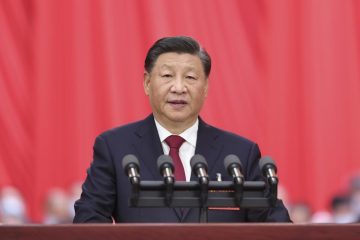
The assistance is designed to support farmers who have experienced challenges due to trade conflicts with other countries, inflation, and various market disruptions. A White House official stated that the remaining funds will be allocated to farmers cultivating crops that are not included in the bridge assistance program. The funds are designed to provide assurance to farmers as they market their existing harvest and prepare for the upcoming year’s crop. In October, following Trump’s meeting with Chinese leader Xi Jinping in South Korea, the White House announced that Beijing had committed to purchasing a minimum of 12 million metric tons of US soybeans by the end of the calendar year, along with an additional 25 million metric tons annually for the next three years. Soybean farmers have faced significant challenges due to Trump’s trade war with China, the world’s largest buyer of soybeans. Since Trump announced the agreement at the end of October, China has acquired over 2.8 million metric tons of soybeans. That figure represents merely one quarter of what administration officials indicated China had pledged; however, Bessent has stated that China is on course to fulfill its objective by the end of February. “These prices haven’t come in, because the Chinese actually used our soybean farmers as pawns in the trade negotiations,” Bessent said, explaining why a bridge payment to farmers was needed.
Farmers express gratitude for the aid package; however, they contend that it is merely a preliminary measure in addressing their needs. They emphasize that government assistance fails to tackle the underlying issues of escalating costs and unpredictable markets for their crops. During Trump’s first term, he provided farmers with over $22 billion in aid payments in 2019 at the onset of his trade war with China, and nearly $46 billion in 2020, a year that also encompassed assistance related to the COVID pandemic. However, farmers seek to profit from selling their crops rather than depending on government assistance for their survival. That’s a beginning, yet I believe we must explore additional avenues to uncover other funding opportunities, and we need to activate our markets. “That’s where we want to be able to make a living from,” said Caleb Ragland. Senate Minority Leader Chuck Schumer, D-NY, stated that the president seeks recognition for attempting to resolve a situation he created and attributed the challenges encountered by farmers to Trump’s tariffs. “Trump’s tariffs are hammering our farmers, making it more expensive to grow food and pushing farmers into bankruptcy,” Schumer said. Farmers require genuine markets for their products, not mere consolation prizes for those they have harmed.
Rebecca Wolf stated that bailouts serve as a denigrating Band-Aid for farmers who have been left vulnerable to trade wars due to decades of misguided domestic policy. “Trump’s tariff tantrum and belittling bailouts will deepen agricultural sector consolidation, funnelling money to a powerful few corporations, while running farmers further into the ground,” Wolf said. Trump has faced mounting pressure to tackle the rising beef prices, which have reached record levels due to various factors. The demand for beef remains robust, coinciding with a period where drought conditions have diminished U.S. herds, and imports from Mexico have declined due to a resurgence of a parasite. Trump has stated, “I would allow for more imports of Argentine beef.” He also requested that the Department of Justice investigate foreign-owned meat packers, which he accused of inflating beef prices, though he has not presented evidence to support his allegations. On Saturday, Trump signed an executive order instructing the Justice Department and Federal Trade Commission to investigate anti-competitive practices within food supply chains, encompassing seed, fertilizer, and equipment, and to contemplate enforcement actions or the creation of new regulations.