Trump Hits Patented Drug Imports with 100% Tariff
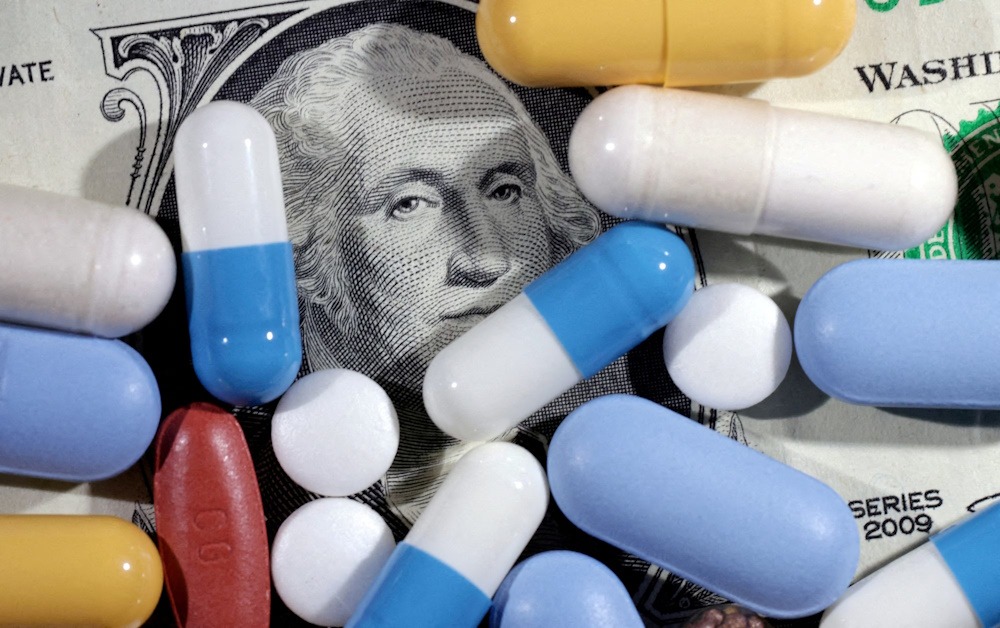
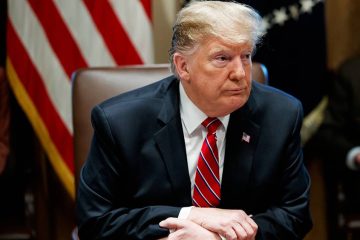
On Thursday, the United States unveiled extensive trade measures aimed at pharmaceutical imports and metal products, following the signing of two significant executive actions by President Donald Trump. Under the new framework, the US will impose a 100 per cent tariff on patented pharmaceutical imports from countries, including India, that have not signed a reshoring agreement with the US Commerce Department or a ‘most favoured nation’ pricing deal with the Department of Health and Human Services. However, generic drugs have been exempted. The executive order stated, “I have further determined not to adjust imports of generic pharmaceuticals and their associated ingredients, including biosimilar products, at this time.”
“This determination includes purchases of generic pharmaceuticals and ingredients for the Strategic API Reserve,” it added. “I find that such products should not be subject to section 232 tariffs at this time.” A senior White House official stated that the initiative is intended to decrease the nation’s dependence on foreign suppliers for essential medications. The official informed that, “100 per cent tariff is on patented products.” Any patented drug imports from India made by companies that do not receive approval for a reshoring plan will incur a 100 percent tariff. The majority of India’s pharmaceutical exports to the US consist of generic medicines, which are currently exempt under the existing policy. However, officials indicated that this exemption may not be permanent if the generics sector does not shift manufacturing back to the US. “Generics, which are the majority of Indian pharma exports, are exempt from tariffs, but the Commerce Department will evaluate the state of generics reshoring and re-evaluate generics tariffs accordingly,” the official further told.
The US administration has additionally proposed reduced tariff rates to five groups of countries. The European Union, Japan, South Korea, and Switzerland will encounter a 15 percent tariff. The United Kingdom will face a 10 per cent tariff, following the signing of reshoring and MFN agreements by major pharmaceutical firms like GSK with the US government. In conjunction with the pharmaceutical measures, the administration revealed changes to the application of tariffs on products made from steel, aluminium, and copper, a decision that may impact Indian metal exporters. According to the revised regulations, items with less than 15 percent metal by weight will not incur an additional metals tariff and will instead be subject solely to the standard duty applicable at the country level.
If the metal content exceeds 15 percent by weight, a flat 25 percent tariff will apply to the entire product value, regardless of the exact metal composition. The announcements were made on the first anniversary of the tariff initiative launched by Trump last year, which the administration has termed “Liberation Day.” The sweeping tariff plan introduced then triggered major reactions in global markets and significantly altered international trade dynamics.