Through ‘Project Eagle,’ JPMorgan funds $55 bn EA deal on the edge
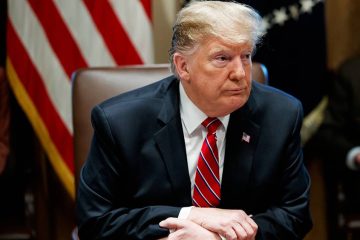
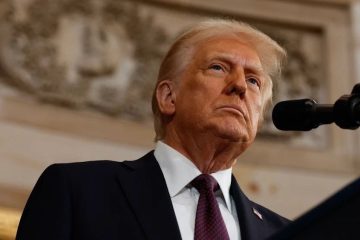
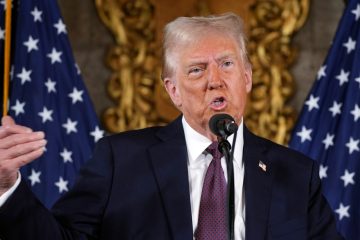
The message from @realDonaldTrump was posted at exactly 7:23 a.m. Within the walls of JPMorgan Chase & Co., the last component of Project Eagle was approved. For weeks, JPMorgan bankers had been closely monitoring developments in West Asia as they endeavored to secure financing for the largest leveraged buyout in history, the $55-billion private equity acquisition of video-game powerhouse Electronic Arts Inc. By Sunday, March 22, the potential remained that the US might target energy infrastructure in Iran, which could send markets into a tailspin. The following morning, a collective sigh resonated as President Donald Trump unexpectedly declared on social media his decision to delay any strike for five days. Word spread within the bank: go — now. The stakes for the Wall Street lender – and the significant investors it was courting — were considerable. According to individuals, the volatility in the markets, along with deteriorating sentiment regarding software borrowers, has made the timing of the deal more complex. The worry was that an inability to sell all of the loans and bonds could hinder not just the EA deal but also the entirety of the $100 billion in M&A debt financing that Wall Street is pursuing this year. The execution of the deal, known as Project Eagle, by JPMorgan is a significant chapter in the larger narrative of Wall Street’s response to this conflict. As the markets fluctuate, bankers have been compelled to analyze each Truth Social post or statement from Air Force One to identify opportunities for multibillion-dollar deals, and then act with utmost urgency.
At JPMorgan, Trump’s post on March 23 served as the decisive factor to proceed with plans to offload $6.4 billion in bonds and finalize a $8.125 billion leveraged loan sale that began a week earlier, according to individuals familiar with the situation, who requested anonymity while discussing confidential matters. JPMorgan, which initially lent $20 billion to support EA’s acquisition by Saudi Arabia’s Public Investment Fund, Silver Lake and Jared Kushner’s Affinity Partners, approached the deal with a positive outlook. Bankers, including Jamie Dimon, were taken by EA’s enthusiastic Australian chief executive, Andrew Wilson, according to sources. This month at the bank’s conference in Miami Beach, Wilson and EA’s chief financial officer, Stuart Canfield, engaged with investors who inundated the company with inquiries regarding artificial intelligence. The goal is to secure a minimum of $500 million from each of 10 major accounts, including State Street Corp. and Invesco Ltd. The EA executives addressed inquiries regarding AI vulnerability — a concern that has significantly impacted software company valuations this year. Potential purchasers of the debt sought clarity on how EA distinguished itself, and the duo elaborated that AI was generating initiatives capable of genuinely propelling the video game company’s growth, according to sources. The integration of AI assistance in coding video games represents a significant advantage for a company investing hundreds of millions in research and development for its gaming projects. In a matter of hours, the task was completed. Wilson and Canfield met with Dimon in person prior to their return to EA’s headquarters in Redwood City, California.
However, as the war escalated, markets found themselves in a state of unease. Bankers might postpone the deal, yet uncertainty loomed over whether the circumstances in West Asia – and the markets – would improve or deteriorate. In the early hours of March 16, a decision was made over Zoom by JPMorgan, EA, and its buyers to proceed forward. The bank initiated the loan tranches on that day. Then arrived the anxious weekend of March 21-22 – followed by the social media post from the president, just prior to the bond sale appearing on screens on March 23. From Monday to Wednesday, teams navigated three timezones to secure the debt, with over 500 accounts pursuing a share of the deal, according to sources. The bankers wavered at least a couple of times regarding the structure of the borrowing, which was ultimately tilted toward loans once again in a decision that would provide EA with greater flexibility to reduce its debt burden sooner, should it have the necessary cash to do so. JPMorgan provided EA’s loans at a reduced rate of 98.5 cents on the dollar. Its dollar-denominated bonds provided a higher yield compared to similarly-rated debt. Emerging from the most challenging month for total returns in US leveraged loans since 2022, the scale of the deal, the war’s impact on oil prices, and its inflationary pressures all played a role in the concessions made to finalize the agreement, according to sources. Investor demand surged to over $50 billion for the $15 billion debt sale, as reported by sources familiar with the details. The bonds and loans surged on their inaugural trading day, suggesting that investors secured a favorable arrangement. JPMorgan and EA representatives chose not to provide comments for this story. A spokesperson for PIF, Silver Lake, and Affinity declined to comment.
JPMorgan managed to “squeeze in” the debt sale for EA by capitalizing on a brief moment of stability in turbulent markets, noted David Kinsley, a senior portfolio manager at Impax Asset Management, during an interview. “The immediate term is so influenced by the conflict in the West Asia and how that unfolds,” Kinsley stated. “However, upon closer examination, it becomes evident that the demand for these deals has consistently been strong.” “It hasn’t been a question of access to capital markets, but the pricing.” Certainly, the atmosphere has changed since medical device manufacturer Hologic Inc. commenced the year with a $8.75 billion debt financing that achieved the narrowest margins for a buyout loan since the financial crisis. The path forward for other LBOs seems challenging. Last week, one of JPMorgan’s other deals was put on hold — software company Qualtrics International Inc. suspended investor discussions regarding a $5.3 billion debt deal after struggling to convince investors who were concerned about AI disruption and a downturn in the secondary market for its existing loans. The bank is spearheading a loan sale valued at approximately $4.7 billion for Clayton Dubilier & Rice’s acquisition of Sealed Air Corp., the inventor of bubble wrap, with commitments expected by next week. The company is also selling $2.45 billion of junk bonds. The critical inquiry is whether investors can endure billions more in additional debt following EA.