Solar and wind outpace electricity demand this year
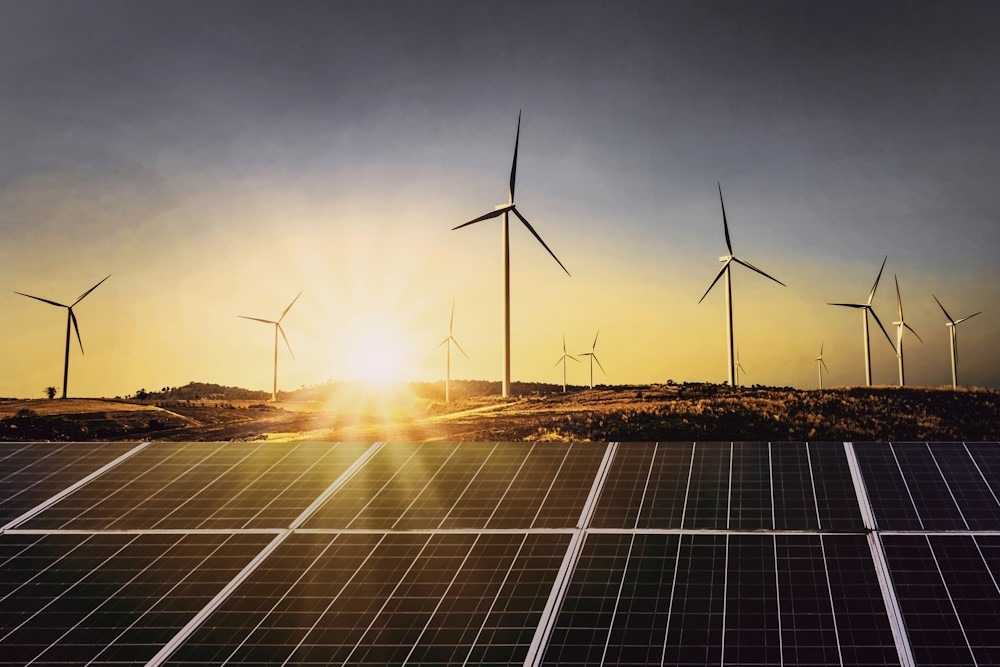
Worldwide solar and wind power generation has outpaced electricity demand this year, marking a historic moment where renewable energies combined generated more power than coal for the first time on record. Global solar generation experienced a remarkable increase of 31 per cent in the first half of the year, while wind generation saw a growth of 7.7 per cent, as detailed in the report. Solar and wind generation combined grew by over 400 terawatt hours, surpassing the increase in overall global demand during the same period, the report found. The findings indicate that it is feasible for the world to transition away from polluting energy sources, even as the demand for electricity surges, through sustained investment in renewable energy sources such as solar, wind, hydropower, bioenergy, and geothermal energy.
“That means that they can keep up the pace with growing appetite for electricity worldwide,” said Malgorzata Wiatros-Motyka. Concurrently, total fossil fuel generation experienced a minor decline, decreasing by less than 1 percent. The overall decline of fossil fuels may be small, but it is significant, said Wiatros-Motyka. “This is a turning point when we see emissions plateauing.” The firm conducts an analysis of monthly data from 88 countries, which collectively account for a significant portion of global electricity demand. Factors contributing to the increase in demand encompass economic growth, the rise of electric vehicles and data centres, growing populations in developing nations, and the necessity for enhanced cooling solutions as temperatures continue to rise. Meeting that demand by burning fossil fuels like coal and gas for electricity results in the release of planet-warming gases, including carbon dioxide and methane. This results in increasingly severe, expensive, and lethal extreme weather events. Ember also dedicated part of its report to an analysis of China, India, the European Union, and the US. Combined, they account for nearly two-thirds of electricity generation and carbon dioxide emissions from the power sector globally. According to the report, in the first half of the year, China installed more solar and wind capacity than the entire world combined, while its fossil fuel generation decreased by 2 percent.
India experienced unprecedented growth in solar and wind energy, surpassing the increase in demand. India’s fossil fuel generation has also seen a decline. Analysts have often remarked that renewable energy does not necessarily result in a decrease in fossil fuel consumption, stated Michael Gerrard, founder and director of the Columbia University Sabin Centre for Climate Change Law, who was not involved in the report. This report underscores a positive development in the contrary direction. However, in the US, the growth in demand has surpassed the growth of clean power generation. The report indicated that in the EU, a slowdown in wind and hydropower generation led to an increase in coal and gas generation. In both markets, there was an increase in fossil fuel generation and emissions. The US clean energy market encounters obstacles as President Donald Trump’s administration alters federal policy, moving away from renewables and focusing on enhancing coal, oil, and gas production. The administration has ended funding from the Biden era that backed clean energy initiatives, revoked policies that supported climate-related regulations, and put a stop to wind energy projects. Meanwhile, the administration has removed restrictions on coal mining, provided two years of regulatory relief to coal-fired power plants and other polluting industries, and allocated millions of dollars to these coal plants.
During his address at the United Nations General Assembly last month, Trump criticized renewable energy and cast doubt on the legitimacy of climate change. Experts caution that Trump’s attempts to obstruct clean energy initiatives will result in lasting consequences. The federal government is significantly advancing the development of artificial intelligence, which is set to substantially raise electricity demand, while simultaneously closing down the most affordable new sources of electricity, namely wind and solar. “That’s going to lead to a gap in supply and demand,” Gerrard said. “Renewables still have an opportunity to make inroads in displacing fossil fuels, even with some demand growth,” said Amanda Smith. However, Smith stated: “I am very cautiously optimistic that renewables can continue to grow and continue to displace fossil fuels in the US.” I hold a more optimistic view on a global scale. Solar and wind power experienced growth that outpaced electricity demand this year.