SE Asia Reconsiders Nuclear Power for AI Data Centers Amid Iran Conflict
Nuclear power is undergoing renewed scrutiny in Southeast Asia as nations brace for escalating energy requirements in their pursuit of artificial intelligence-centric data centres. Several Southeast Asian nations are reactivating previously shelved nuclear initiatives and establishing ambitious objectives, with nearly half of the region potentially incorporating nuclear energy by the 2030s if these targets are pursued. Even nations lacking immediate strategies have indicated their interest. Southeast Asia has yet to generate any nuclear energy, despite its longstanding aspirations in the atomic sector. However, this situation may soon evolve as the impetus to lower emissions linked to climate change intensifies, alongside the necessity to satisfy increasing energy demands. The ongoing conflict in Iran highlights the precarious nature of energy supplies in Asia, amplifying the urgency for Southeast Asia to explore alternatives to oil and gas, according to analysts. The increase in crude oil prices, driven by the intensifying conflict, has heightened the impetus for nations to accelerate their nuclear initiatives, according to Alvie Asuncion-Astronomo. Vietnam and Russia progressed in their nuclear power agreement this week amid escalating concerns regarding energy security in the region. In South Asia, Bangladesh is expediting the development of its new nuclear power plant, which is also supported by Russia, in order to tackle the nation’s energy deficiencies. According to the International Energy Agency, Southeast Asia is projected to contribute a quarter of the growth in global energy demand by 2035. This is partly attributed to the over 2,000 data centres located in Indonesia, Malaysia, Singapore, Thailand, Vietnam, and the Philippines, as reported by the think tank Ember. A significant number of data centers are currently in development.
Malaysia’s ambition to become Southeast Asia’s AI computing hub is particularly evident, attracting investments and interest from major technology firms such as Microsoft, Google, and Nvidia. The resurgence of nuclear interest in Southeast Asia reflects a broader global phenomenon. Nearly 40 nations, among them the United States, Japan, South Korea, and China, have united in a global initiative aimed at tripling installed nuclear energy capacity by the year 2050. Southeast Asia is projected to represent almost 25% of the 157 gigawatts anticipated from emerging nuclear nations by the middle of the century, as reported by the World Nuclear Association, which is supported by industry stakeholders. “There is a more serious, new and growing momentum for the development of nuclear energy in Southeast Asia,” stated King Lee. Southeast Asia reassesses its stance on nuclear energy Five of the 11 members of the Association of Southeast Asian Nations—Indonesia, Malaysia, Thailand, Vietnam, and the Philippines—are pursuing nuclear capabilities. Vietnam is in the process of constructing two nuclear power plants, with support from the Russian state corporation Rosatom. According to Prime Minister Pham Minh Chinh, these are “nationally significant, strategic projects”. The revised atomic energy law in Vietnam came into effect in January. Indonesia incorporated nuclear energy into its new energy strategy last year, with plans to construct two small modular reactors by 2034. Officials indicate that Canada and Russia have submitted formal proposals for cooperation, with additional proposals expected to emerge shortly. Last year, Thailand established a goal to increase its nuclear generating capacity by 600 megawatts by the year 2037. Nuclear presents a “promising solution” for providing sufficient affordable, clean electricity to satisfy increasing demand, according to officials from Thailand’s Electricity Generating Authority during a conference in Bangkok. The Philippines stands out as the most engaged Southeast Asian nation in the realm of atomic energy, having constructed a nuclear power plant in the 1970s that ultimately remained dormant.
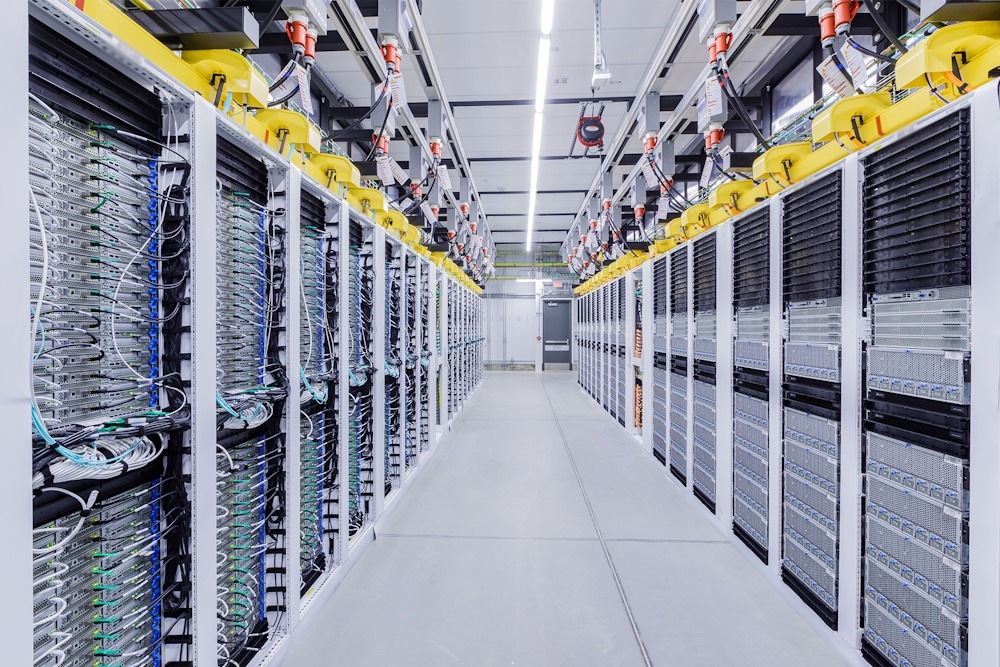
Philippine officials assert that the newly established atomic energy regulatory authority will facilitate the integration of nuclear power. The nation established a target for 2032 and sanctioned a strategic roadmap for prospective investors in February. “We are not anticipating that nuclear electricity will be cheap at the onset,” said Asuncion-Astronomo. However, in the long term, she indicated that it will enhance the Philippines’ energy reliability, security, independence, and ultimately costs. The ongoing conflict in West Asia clearly illustrates the volatility of fossil fuel prices and the instability of supply,” she stated. “Nuclear represents a viable alternative that can enhance our energy self-reliance.” Southeast Asian nations lacking definitive strategies are likewise demonstrating interest. Cambodia’s recent national strategy indicated a willingness to explore nuclear energy, while Singapore detailed its intentions last year to assess its own atomic capabilities. Even the diminutive oil and gas sultanate of Brunei informed the International Atomic Energy Agency, or IAEA, that it is “carefully exploring nuclear energy”. Data centres rejuvenate Malaysia’s nuclear ambitions The data centres centered on artificial intelligence that are driving the increasing energy demand in Southeast Asia consist of expansive, windowless structures populated with numerous computer systems. The International Energy Agency reports that a typical AI data centre utilizes electricity equivalent to that consumed by 100,000 households. Malaysia boasts over 500 operational data centres. Approximately 300 additional units are currently under construction, with around 1,140 more in the planning stages, as reported by Ember.
Malaysia revived its nuclear program last year and set a target for bringing atomic energy online by 2031.”A lot more industries are expanding in Malaysia,” stated Zayana Zaikariah from the Kuala Lumpur-based Institute of Strategic and International Studies, highlighting the increasing interest in data centres, semiconductors, and mining. “All activities necessitate energy.” The United States is providing assistance. Secretary of State Marco Rubio executed an agreement with Malaysia in the previous year. He referred to it as “a signal to the world of how civil nuclear cooperation is something that is available”. President Donald Trump perceives nuclear energy as a viable solution to address the demands of data centres. In 2025, he mandated the quadrupling of US nuclear power within the subsequent 25 years. “There’s more incentive to follow through compared to previous flirtations with nuclear energy,” said Amalina Anuar, with the ISEAS-Yusof Institute, a Singapore-based think tank. The finite nature of Malaysia’s oil and gas reserves is propelling the exploration for alternative energy sources. According to Ember, fossil fuels account for 81 percent of Malaysia’s electricity generation, whereas solar and wind contribute a mere 2 percent. “Malaysia’s decarbonization is both urgent and critical as rising demand from AI and data centres is anticipated,” said Dinita Setyawati with Ember. “However, the nuclear option ought to be considered with caution.”
Nuclear power risks persist. Global nuclear capacity is projected to exceed 1,446 gigawatts by 2050, contingent upon the continued operation of existing reactors and the fulfillment of governmental targets, as reported by the World Nuclear Association. Over 400 nuclear reactors across approximately 30 nations produce roughly 380 gigawatts of energy, as reported by the IAEA’s Power Reactor Information System. This constitutes between 4.5 percent and 10 percent of global energy, according to estimates from the IEA and the nuclear association. Concerns regarding nuclear safety, waste management, and supply persist. Public opposition surged following the catastrophic nuclear disasters at Chernobyl in 1986 and Fukushima in 2011. However, Japan, which had halted all its nuclear facilities following that disaster, is now in the process of restarting its nuclear plants. Bridget Woodman noted that as global efforts diverge increasingly from established climate objectives, nuclear energy may appear more appealing compared to other, less hazardous options such as renewable energy sources. Southeast Asian nations contemplating the establishment of a nuclear industry from the ground up must take into account “the possibility of accidents,” she stated.