Rising West Asia violence is the latest economic risk
Fuel prices may rise significantly and remain high for an extended period. This could lead to an increase in the prices of groceries and other shipped goods. Consumers and businesses, affected by the increasing costs, may opt to reduce their spending, which could limit economic growth. Economists view the situation as an increasingly real and dire picture stemming from the US-led war with Iran, which has now entered its second week. While it may be a conflict initiated by President Trump, it is evolving into the latest economic challenge for the world, prompting foreign leaders to urgently seek strategies to mitigate the potential repercussions. Central to the turmoil was a dramatic increase in oil prices, which at one moment on Monday soared past $100 a barrel. The centrality of energy to the global economy has led to increased concerns regarding the potential for a prolonged conflict, which could impose significant financial repercussions worldwide, including for Americans. In response, world leaders convened an emergency meeting on Monday of the Group of 7 countries, where finance ministers deliberated, yet ultimately chose not to tap their national reserves of oil to boost available supply. It was only after Mr. Trump asserted later in the day that the war was nearing its conclusion that oil prices began to stabilize, decreasing to approximately $85 a barrel. “I knew oil prices would go up if I did this,” Mr. Trump stated during a news conference in Florida. “They’ve increased probably less than I anticipated.”
This aligns with a recurring theme for Mr. Trump, who has often dismissed the economic repercussions stemming from his policy decisions, such as his military actions against Iran. In the past, Mr. Trump has referred to the significant shift in gasoline prices as a “very small price to pay” for national security. The remarks present a clear divergence from the president’s assertions regarding declining gas prices during the early part of his second term, a change he often depicted as a significant indicator of the country’s direction. However, the effect appeared far from insignificant for Americans. On Monday, the average price of a gallon of gasoline climbed to nearly $3.48 nationally, as reported, marking a 16 percent rise from the previous week. The rise in energy costs initially unsettled financial markets, resulting in significant drops in the S&P 500 and other key stock indexes, which later recovered as the White House sought to alleviate worries regarding the oil market. “The White House is in constant coordination with the relevant agencies on this important issue, as it is a top priority to the president,” Taylor Rogers stated. She characterized the rise in oil prices as a “short-term change,” further stating that it would “drop dramatically once the objectives of Operation Epic Fury are achieved.” In numerous respects, the repercussions surrounding Iran have mirrored the worldwide alarm that accompanied the onset of Mr. Trump’s trade war nearly a year ago. Economists cautioned about impending upheaval, as world leaders expressed concern over the ramifications for their economies. Some of the dire predictions materialized, impacting consumers and businesses in ways that continue to resonate today.
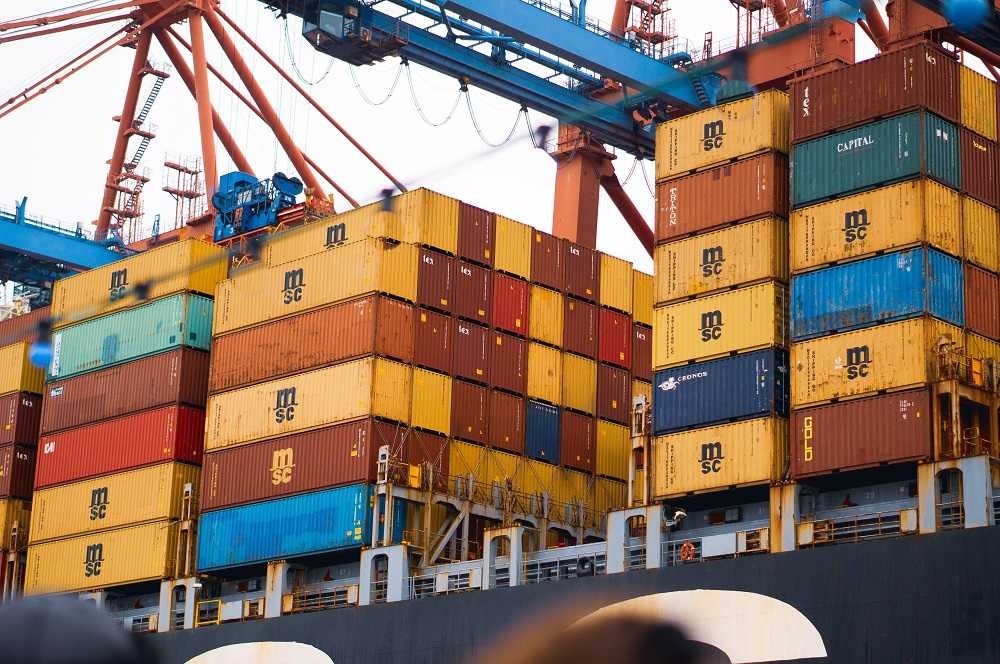
Yet Mr. Trump remained undeterred in both cases, forging ahead despite warnings that his strategy could inflict lasting economic damage, perhaps even triggering a global recession. “This is a very concerning shock to consumers, which have been a driving force in the economy,” said Tim Mahedy. He observed that consumer spending, which accounts for approximately 70 percent of US economic growth, was the sole sector that experienced expansion for the majority of last year. Currently, as Americans have depleted their savings, Mr. Mahedy remarked, the energy shock is “really hitting at a bad time.” He stated “I am very concerned this could tip us into a recession if it persists.” The impact of the war on the global economy will largely hinge on a single element — its duration. The conflict has obstructed shipping in the Persian Gulf, leading to significant disruptions in the global oil and gas supply. The extended duration of the slowdown will inevitably lead to a more severe impact, although the administration has indicated its belief that shipments may resume in the near future. “We’re not too long, I think, before you will see more regular resumption of ship traffic through the Strait of Hormuz,” said Chris Wright in an intervie. If US strikes on Iran conclude in a few weeks, most economists believe that the rise in gas prices and other disruptions may prove short-lived. However, this does not imply that the war will be without hardship, particularly for Americans who are already experiencing significant strain at the gas station. “If $100-per-barrel oil is sustained, you’re going to see the impact most directly in less consumer spending,” said Bernard Yaros. He stated that low-income consumers would bear the greatest burden, as energy constitutes a significant portion of their monthly expenses.
If hostilities persist for an extended period, the repercussions on the global economy could be significantly more severe. “Oil could stay above $100 per barrel in a worst-case scenario, carrying severe repercussions that would make goods more expensive and slow global growth,” said Gregory Daco. He estimated that a protracted conflict could lead to a global inflation increase of approximately two percentage points more than it would have otherwise. In the United States, this indicates that inflation may exceed 4 percent this year. The increase in prices may align with a deceleration that could signal a recession and diminish overall US output. The nation’s gross domestic product, a measure of that output, would grow only 1.6 per cent in 2026, compared with the 2.4 per cent originally projected, Mr Daco found. These new risks have emerged at a challenging time for the US economy, which continues to grow despite high prices and the labour market revealing fresh signs of weakness. The competing forces stem from various factors, notably the meteoric rise of artificial intelligence and Mr. Trump’s policies, which encompass steep tariffs and mass deportations. “This administration is a sequence of supply shocks,” Mr. Mahedy stated. “This is coming on top of two other very significant supply shocks, tariffs and immigration policy.” Despite those warnings, the Trump administration has maintained a confident stance regarding the pace of the war with Iran. When asked this weekend about his concerns regarding the increase in gas prices, Mr. Trump responded to reporters: “No.” This is a brief exploration into an endeavor that has been overdue for 47 years. “No president had the guts to do it.”
However, Mr. Trump has not dismissed the possibility of deploying troops to the country, which would signify a significant escalation in the conflict. Amid a constantly evolving understanding of what constitutes a successful operation, the president has implemented measures aimed at shielding Americans from economic repercussions. Last week, the US government announced it would provide limited protection and insurance for tankers navigating the Persian Gulf. The Treasury Department initiated measures that may permit sanctioned Russian oil to be sold to other nations, including India. Lifting those sanctions, which were strengthened recently in response to Russia’s invasion of Ukraine, marked a dramatic turnabout for Mr. Trump, who had previously threatened withering tariffs against countries that purchased Russian energy. It was also an endeavor to strengthen the oil supply, even as the president’s senior advisors maintained that they would not utilize US reserves to alleviate pressures on the market. “From my early briefings about what was going to happen, and how it was going to affect the economy, it’s going way faster, it’s been way more successful than I expected just listening to the briefings,” said Kevin Hassett. “I think that, the bottom line is, there’s some disruption right now,” he said, “but at the White House we’ve got our eyes on the horizon.”