Rio-Glencore Merger Talks Advance Amid Premium and CEO Worries
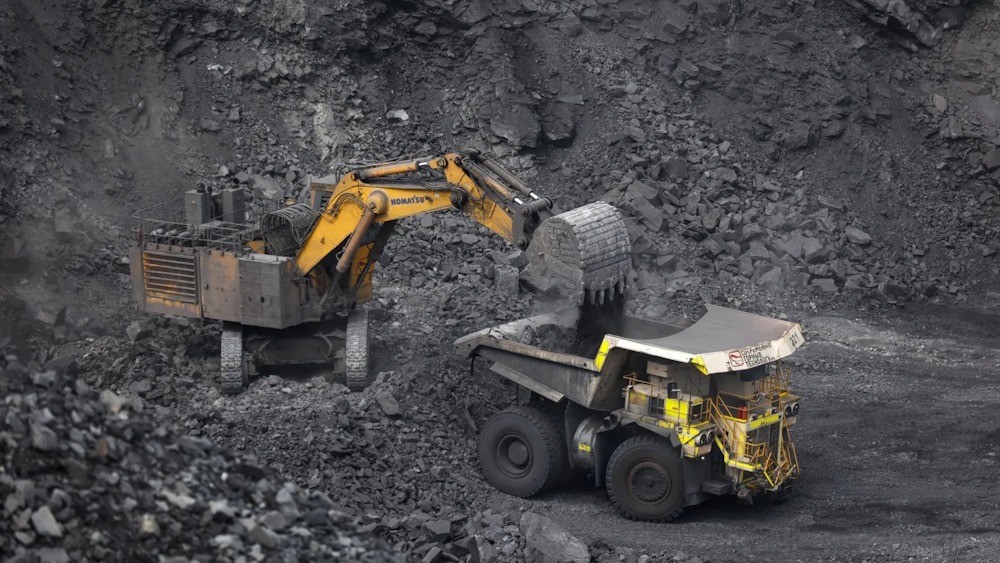
Gary Nagle has described it as the most obvious deal in mining. For nearly two decades, his predecessor and mentor, Ivan Glasenberg, has been attempting to achieve this goal. And yet the merger of Glencore with Rio Tinto Group has remained elusive – until now. Sources indicate that the ongoing negotiations to establish the world’s largest mining entity, as confirmed by both companies on Thursday night, represent the most serious discussions to date, although they stress that the process remains in its initial phases. Central to the change is a worry within Rio that its iron ore-dominant portfolio may be overshadowed by the copper M&A frenzy engulfing the sector. Additionally, the dynamics of personalities on both sides are more conducive to reaching an agreement, according to sources. When the deal was last seriously discussed in late 2024, the talks faltered due to Rio’s reluctance to pay a significant premium, alongside the contrasting cultures cultivated by Rio’s then-CEO and the leadership at Glencore. At that moment, Glencore advocated for Nagle to lead the merged entity.
With a new leader at the helm, Rio seems to be entering a phase where both parties are showing a greater readiness to find common ground. According to sources, Rio may ultimately contemplate offering a takeover premium. Meanwhile, others indicated that the Glencore side appears willing to adopt a pragmatic approach regarding management, acknowledging that a larger firm providing a takeover premium would likely aim to implement its leadership in the newly formed company. Furthermore, a change in investors’ perspectives on coal mining suggests that Rio may acquire Glencore completely with diminished concerns about potential backlash. Previously reported that Rio was amenable to keeping Glencore’s extensive coal business. Nevertheless, discussions are in their infancy, and sources have indicated that the two parties remain distant from finalizing an agreement. Even if they can, any combination would be highly intricate and necessitate the endorsement of multiple regulators amid increased governmental examination of natural resources. “It does feel like these two sides want a deal,” stated George Cheveley. “Glencore has numerous brownfield and greenfield copper projects, whereas Rio does not; however, Rio possesses the expertise to construct and manage them.” Both Rio and Glencore representatives chose not to provide comments. During the discussions in 2024, Glencore proposed a merger ratio aimed at ensuring its shareholders would retain approximately 40 percent of the newly formed entity, as reported by multiple sources. If the same level remained a benchmark for Glencore’s negotiations, it would signify a premium of slightly more than 25 percent in comparison to the two companies’ undisturbed share prices.
Two individuals acquainted with Rio’s considerations indicated that the company might be open to the idea of paying a takeover premium. However, others warned that it is premature to evaluate the situation. The notion of merging the two companies has been a topic of discussion on multiple occasions over the past decade. Initially proposed prior to the global financial crisis of 2008, the idea was later revisited in 2014, only to be swiftly dismissed by Rio following an informal overture from Glencore. Serious discussions, however, resumed in 2024. Although those discussions concluded without an agreement, the concept of merging the two companies persisted. Last September, it is reported that Glencore had been actively collaborating with its bankers to outline the details of a possible deal. According to sources, it was Rio that re-initiated the most recent conversations. The miner experienced a significant transformation following the unsuccessful discussions of 2024: it appointed a new chief executive. Jakob Stausholm was asked by the board to step down, with his replacement, long-time Rio executive Simon Trott, announced in July. For Rio, the essential argument for acquiring Glencore centers on copper. Although the miner plays a crucial role in various markets, including aluminum, copper, and lithium, iron ore remained the dominant contributor, representing over half of its earnings in the latest financial report. The medium-term outlook for iron ore appears pessimistic, as China’s cooling property market diminishes demand, while Rio’s substantial new project in Guinea is set to inundate the market with supply. Copper, meanwhile, has long been the most coveted metal for mining executives who see a bright future for the metal as the trend to electrification supercharges demand. Rio faces a notable scarcity of copper development opportunities as its extensive Oyu Tolgoi mine in Mongolia approaches full capacity.
Last month, Glencore dedicated an investor day to showcasing its diverse copper development opportunities in Argentina, Peru, and the Democratic Republic of Congo. The merger agreement reached by Anglo American Plc and Teck Resources Ltd. in September, coupled with the recent spike in copper prices surpassing $13,000 a ton, has intensified the urgency for Rio to respond. The company’s executives acknowledged that its own dependence on iron ore, along with Glencore’s ambitious growth plans, suggested that delaying the deal would probably result in higher costs, as noted by several sources. Numerous complexities persist to navigate, even if the two companies can reach an agreement on terms. Glencore’s coal business continues to raise issues for certain major shareholders of Rio, primarily due to sustainability concerns. Additionally, various segments of its operations – including its trading unit, which acknowledged extensive historical corruption in 2022, as well as its holdings in nations such as Congo and Kazakhstan – may be deemed unappealing by certain stakeholders. The transaction structure is expected to be intricate due to Rio’s dual listings in the UK and Australia, and a successful deal will face examination from antitrust regulators across various regions, including China and Canada. Nonetheless, in a conversation on Friday, significant shareholders of both companies expressed cautious support for a possible agreement. “We’re not pushing for a deal, but we’re open to any and all options that create and highlight value for Glencore shareholders,” stated Justin Hance. “The appeal of any agreement hinges not solely on the shareholder ratio, but also on the structure, terms, and intricate details of the transaction.”