Nasa Chief Ignites SpaceX-Blue Origin Showdown for Moon Mission
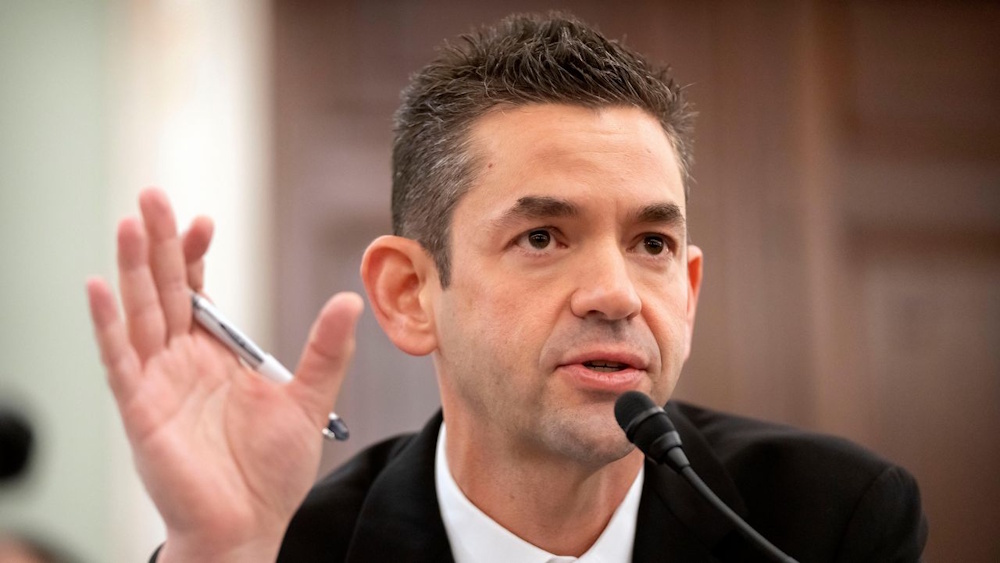
Nasa’s new administrator, Jared Isaacman, said the agency will choose whichever company can build its moon lander the fastest — whether Elon Musk’s SpaceX or Jeff Bezos’ Blue Origin — to return humans to the lunar surface for the first time in more than 50 years. Isaacman’s comments in a interview on Thursday, his first day on the job, underscored the urgency with which the fintech executive and SpaceX astronaut wants to push the agency to beat China back to the moon and secure a sustained US presence there. “I don’t think it was lost on either vendor that whichever lander was available first to ensure that America achieves its strategic objectives on the moon is the one we were going to go with,” Isaacman said shortly after meeting President Donald Trump in the Oval Office.
Both SpaceX and Blue Origin currently hold NASA contracts to develop lunar landers under the Artemis program. SpaceX has secured more than $4 billion in NASA contracts to ferry astronauts to the moon using its massive Starship spacecraft and is presently slated to be the first to land humans on the lunar surface. However, in October, then-acting NASA administrator Sean Duffy said the agency intended to “open up” SpaceX’s lunar lander contract to competition, citing frustration with delays in the company’s development timeline.
Starship has faced a series of technical hurdles and setbacks over the past year, fueling concerns among critics that prolonged development could allow China to land astronauts on the moon ahead of NASA before the decade ends. Isaacman assumes leadership of the agency amid workforce reductions, proposed budget cuts, and a range of operational challenges. He argued that budgets proposed by both the White House and Congress would still be used as effectively as possible. “I think whether it’s $20 billion or $25 billion a year, is a very meaningful budget,” Isaacman said.
Isaacman also applauded Trump’s recent executive order reaffirming NASA’s Artemis program, which calls for a return of astronauts to the moon by 2028 and the establishment of a permanent lunar base by 2030. “I think this executive order takes things to a whole other scale,” Isaacman told. “We’re not just going back to the moon for the footsteps and planting the flag.” He said the goal is to put in place the infrastructure needed to unlock long-term scientific, economic, and national security benefits.