JD Vance Became Trump’s Iran Envoy
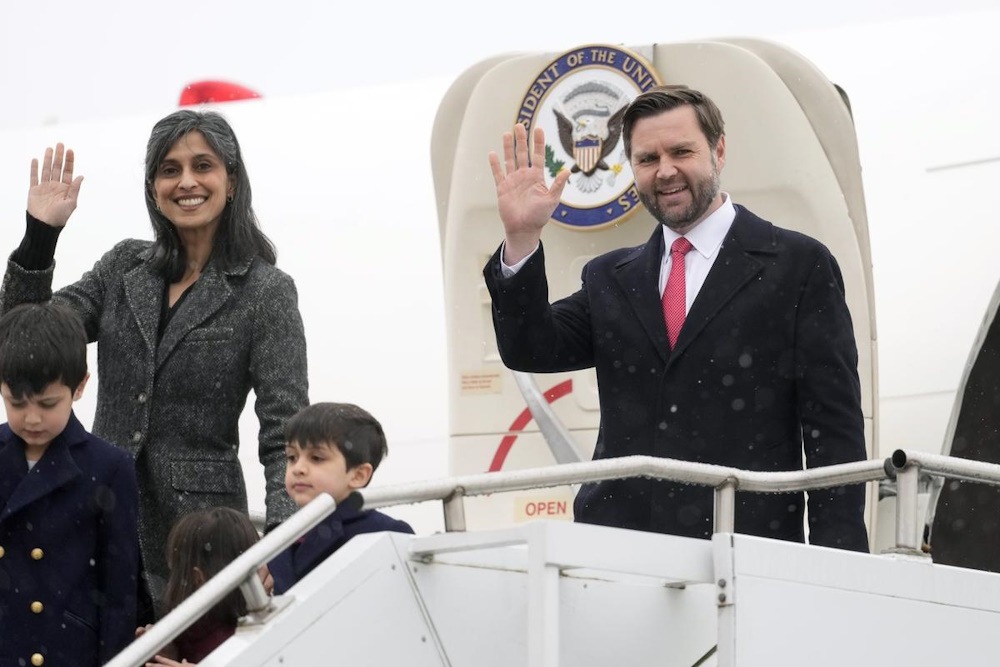
After being absent during crucial moments of the war against Iran, Vice President JD Vance is now taking center stage. Vance is at the helm of a US delegation traveling to Islamabad for the inaugural in-person discussions with Iranian officials since the onset of the conflict, which has ignited a worldwide energy crisis. The outcome could determine whether a fragile two-week ceasefire evolves into a sustainable peace or ultimately collapses, plunging the region into deeper conflict. The stakes are considerable for Vance himself. Amidst a conflict he sought to avoid, President Donald Trump is now relying on the vice president to finalize his efforts. If he succeeds, it may enhance his credibility on the global stage in anticipation of a potential White House bid in 2028. Failure, however, could undermine his reputation and burden him with a significant portion of the blame. According to individuals, it is their belief that Vance aimed to spearhead the negotiations with Iran. He will be joined by special envoy Steve Witkoff and Trump’s son-in-law Jared Kushner. None of the three possess conventional diplomatic experience. “I wanted to be involved because I thought I could make a difference,” Vance stated. “The individuals truly engaged in the daily negotiations have been Steve and Jared.” The outcome of this weekend’s talks between the US and Iran remains uncertain, leaving a final assessment of Vance’s performance potentially weeks away. A White House official stated that the president personally requested Vance to spearhead the negotiations. Vance has “always been collaborating on these discussions” with Witkoff, Kushner, and Secretary of State Marco Rubio, White House spokeswoman Anna Kelly stated, adding that Trump “is hopeful for a positive negotiation if the Iranians are willing to work in good faith.” Vance expressed his dissent regarding a full-scale war with Iran directly to the president as he considered the possibility of an attack, according to an anonymous source familiar with the private discussions.
As Trump observed the US and Israeli bombing campaign on February 28 from his Mar-a-Lago club, Vance connected from the White House Situation Room. Vance was in Budapest at the time Trump first announced the ceasefire deal. “It’s a particularly delicate moment for Vance,” remarked Elliott Abrams. “If the negotiations result in a bad outcome, now he’s equally involved.” “It’s a roll of the dice.” According to a person, some White House officials believed that having an elected leader lead the talks, rather than a Cabinet secretary or envoy, would carry more weight with the Iranians. According to another individual, Witkoff also recommended Vance due to his stature. “He comes with a lot of legitimacy that no secretary of state, no national security advisor or no senator who’s been elected by people of one state could match,” said Robert O’Brien. O’Brien stated that Vance’s opposition to what are termed forever wars provides him with a strong incentive to seek a resolution. If the vice president fails to secure a deal, it provides Trump with additional political cover to “start things up again,” he added. The dynamic at play is precisely what renders Vance’s position laden with challenges. It compels him to navigate the tension between his loyalty to the president and his personal reservations regarding military interventions. It also places him in the midst of an internal struggle within the conservative movement, pitting frustrated Iran hawks against segments of Trump’s America-first base who perceive a sense of betrayal by the administration regarding a largely unpopular war. Trump recently criticized some prominent anti-war podcasters, including commentator Tucker Carlson, labeling them as “NUT JOBS.”
Buckley, the son of Carlson, has been a member of Vance’s staff. Tehran harbors skepticism towards Witkoff and Kushner, who were at the helm of unsuccessful negotiations prior to the onset of the war. Therefore, Vance’s involvement might convey to the Iranians that the United States is earnest about pursuing dialogue, remarked Rosemary Kelanic, director of the Middle East program at Defence Priorities, a Washington think tank advocating for a more measured foreign policy. “Just because trust is at such a low with Iran having a new face, a fresh face, and one that is perceived to be aligned with restraint will allow the Iranians to take negotiations more seriously,” Kelanic said. However, Republican interventionists are observing the talks with caution. On Wednesday, Senator Lindsey Graham referred to Vance as a “architect” of a “supposed” negotiating document with Iran, which he described as having “troubling aspects.” He then expressed confidence in Trump’s ability to negotiate a lasting peace. Sending Iran’s preferred negotiator also signals a “bad start,” cautioned Abrams. Vance’s most memorable moment in international affairs thus far became notorious for its directness: his Oval Office reprimand of Ukrainian President Volodymyr Zelenskiy. Now he will be relied upon to manage sensitive negotiations with representatives of a nation whose civilization Trump declared would “die” if they didn’t reach an agreement. Vance has stated that he “sat on the phone a lot” over the last few weeks as he worked the phones to help broker the ceasefire. The outcome of the war holds significant consequences for Trump’s political legacy.
However, it is Vance who is undertaking a significant political risk that could have enduring implications with the electorate he may need to court if he decides to run for president in 2028. If the negotiations ultimately succeed, Vance could gain an advantage over potential rivals — a group that might include Rubio — by being able to assert that he’s the one who helped resolve a conflict that divided Trump’s base. The choice to assign Vance a more visible position carries risks not only for the vice president but also for Trump. Traditionally, envoys or diplomats prepare the foundation for significant negotiations prior to the involvement of high-ranking officials, partly to evade accountability if outcomes turn unfavorable. “If it doesn’t happen, I’m blaming JD Vance,” Trump quipped during an Easter luncheon on April 1, with Vance seated in the front row. “If it does happen, I’m taking full credit.” Regardless of his personal views, Vance has unequivocally stated his intention to back any direction Trump decides to take. “Whatever your view is, when the president of the United States makes a decision, it’s your job to help make that decision as effective and successful as possible,” Vance stated after the resignation of Joe Kent. “That’s how I do my job, and I think that’s how everybody in the administration should do their job, too.”