Iran conflict energy repercussions calls for renewable energy
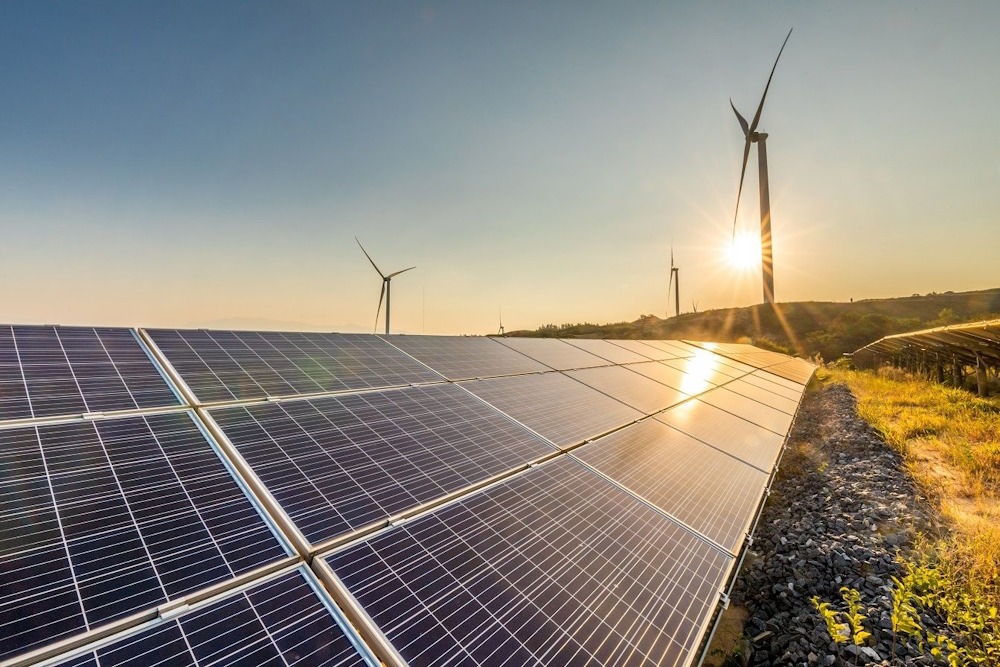
The conflict in Iran is revealing the global dependence on vulnerable fossil fuel pathways, intensifying demands for an accelerated transition to renewable energy sources. Fighting has nearly ceased oil exports via the Strait of Hormuz, the narrow passage that transports approximately one-fifth of the global oil and liquefied natural gas, or LNG. The disruption has significantly impacted energy markets, leading to increased prices and placing pressure on economies reliant on imports. Asia, the primary destination for the oil, has faced the most significant impact, yet the disruptions are also affecting Europe, where policymakers are seeking strategies to reduce energy demand, and Africa, which is preparing for escalating fuel prices and inflation. In contrast to earlier oil crises, renewable energy has become competitive with fossil fuels in numerous regions. According to the International Renewable Energy Agency, more than 90 per cent of new renewable power projects worldwide in 2024 were cheaper than fossil-fuel alternatives. Oil serves a multitude of purposes across various industries, extending beyond electricity generation to include the production of fertilizers and plastics. Most countries are experiencing the effects, while those with a greater reliance on renewable energy sources are better protected, as renewables depend on domestic resources such as sunlight and wind, rather than imported fuels. “These crises regularly occur,” said James Bowen. “They are a feature, not a bug, of a fossil fuel-based energy system.” China and India built renewable buffers, but China’s is larger. The two most populous countries in the world confront the shared challenge of generating sufficient electricity to sustain growth for over a billion individuals. Both countries have made strides in renewable energy, yet China has achieved this on a significantly larger scale, even as it continues to depend on coal-fired power. Today, China stands at the forefront of renewable energy globally.
According to the International Energy Agency, approximately one in 10 cars in China are electric. It remains the largest importer of crude oil globally and the foremost purchaser of Iranian oil. However, energizing segments of its economy with renewable sources has diminished its dependence on imports. “Without that shift, China would be far more vulnerable to supply and price shocks,” said Lauri Myllyvirta. According to him, China can also depend on reserves accumulated during periods of low prices and alternate between coal and oil as fuel in its factories. India has also broadened its adoption of clean energy, particularly solar power, albeit at a slower pace and with diminished government backing for the production of renewable energy equipment and the integration of solar into its power grid. The energy shock resonates with affluent nations in Europe and East Asia. In 2022, several European governments made efforts to reduce their reliance on fossil fuels. However, many quickly shifted their attention to sourcing new fossil fuel suppliers, stated Pauline Heinrichs. Germany hastily constructed LNG terminals to substitute Russian gas with predominantly American fuel, while the energy transition, alongside initiatives to reduce demand, lagged, she stated. According to a 2023 study, Europe’s excess spending on fossil fuels since the Russia-Ukraine War has reached approximately 40% of the investment required to transition its power system to clean energy. “In Europe, we learned the wrong lesson,” Heinrichs stated. In import-dependent Japan, policy responses to past shocks have centered on diversifying fossil fuel imports instead of prioritizing investments in domestic renewables, stated Ayumi Fukakusa of Friends of the Earth Japan. According to Ember, solar and wind account for only 11% of Japan’s energy production, which is comparable to India but falls short of China’s 18%. Japan’s energy consumption is significantly lower than that of both nations. The agenda of this week’s meeting between Japanese Prime Minister Sanae Takaichi and US President Donald Trump was dominated by the Iran war.
Trump, who has long urged Japan to purchase more American LNG, recently called on allied nations such as Japan to “step up” in helping secure The Strait of Hormuz. South Korean President Lee Jae-myung remarked that the crisis could serve as “a good opportunity” to accelerate the transition to renewable energy. Poorer nations in Asia and Africa are in competition with affluent European and Asian countries, as well as major buyers such as India and China, for scarce gas supplies, resulting in increased prices. Economies that rely heavily on imports, including Benin and Zambia in Africa, as well as Bangladesh and Thailand in Asia, may encounter some of the most significant shocks. Expensive fuel drives up the costs of transport and food, while numerous countries face constraints in their foreign-exchange reserves, limiting their capacity to afford imports if prices remain elevated. Africa could be particularly vulnerable, as numerous countries depend on imported oil to operate their transportation and supply chains. “It makes strategic sense for African countries to build their long-term energy security by investing in cleaner energy,” said Kennedy Mbeva. However, not everyone is choosing renewable energy sources: South Africa is contemplating the construction of an LNG import terminal along with new gas-fired power plants. Others, such as Ethiopia, which prohibited gasoline and diesel-fueled cars in 2024 to encourage electric vehicles, are intensifying their commitment to renewables. The real challenge is not merely to endure the next shock, but to guarantee it doesn’t “derail the country’s development trajectory,” stated Hanan Hassen. The growing reliance on renewable energy has provided a buffer for certain Asian nations against the energy shock.
According to think tanks Renewables First and the Centre for Research on Energy and Clean Air, Pakistan’s solar boom has preempted more than $12 billion in fossil fuel imports since 2020 and could save another $6.3 billion in 2026 at current prices. According to the research group, Zero Carbon Analytics, Vietnam’s current solar generation is poised to save the country hundreds of millions of dollars in potential coal and gas imports in the coming year, given the prevailing high prices. Other nations are extending limited resources. Bangladesh has shut down universities to conserve electricity. “It has limited storage capacity to absorb supply shocks, so the government started rationing fuel after a flurry of panic buying at filling stations,” said Khondaker Golam Moazzem. At this moment, it is imperative for governments to effectively manage shortages and regulate prices. Thailand has halted petroleum exports, increased its gas production, and commenced utilizing reserves. “If the conflict bleeds into April, Thailand’s finite reserves and limited budget for subsidies mean prices will shoot higher,” warned Areeporn Asawinpongphan. “The time for promoting domestic renewables should have happened a long time ago,” Asawinpongphan said.