How likely is Trump to win the Nobel Peace Prize this year?
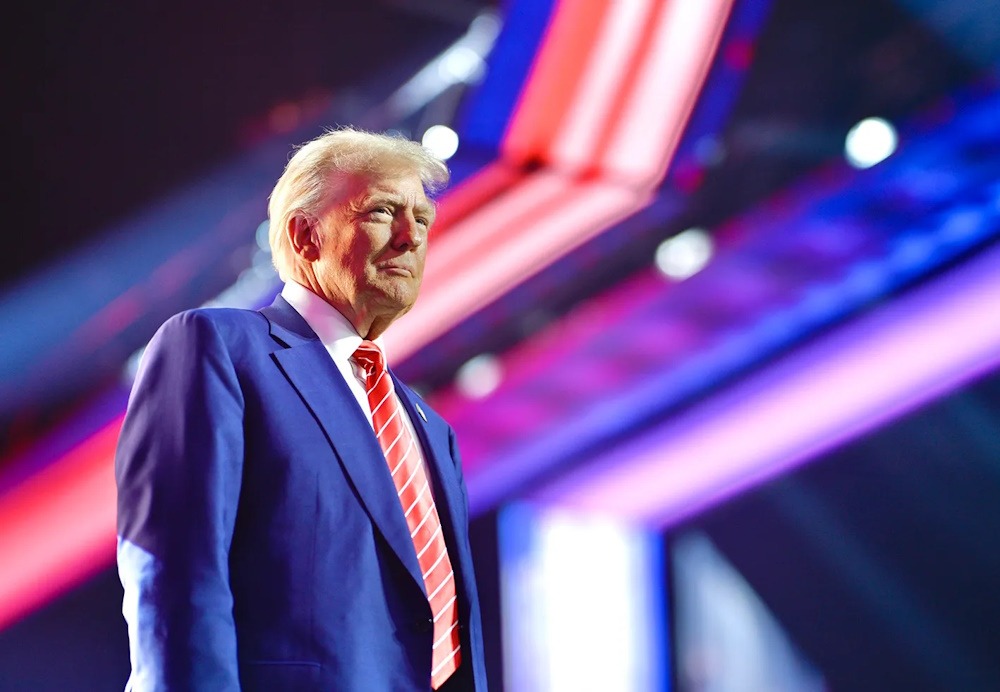
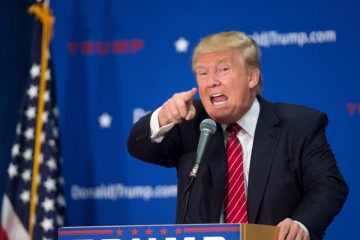
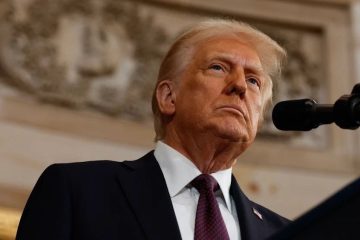
With the announcement of the Nobel Peace Prize 2025 approaching on October 10 (Friday), speculation has heightened regarding the possibility of US President Donald Trump finally receiving the accolade he has long asserted he merits. The award will be announced at 11:00 by the Norwegian Nobel Committee at the Nobel Institute in Oslo. Trump has consistently asserted that “nobody has done what he has,” contending that his international initiatives deserve recognition with the Peace Prize. Despite being nominated in his first term, he did not secure a win. This year, Trump has pointed to his asserted involvement in settling seven international conflicts, ranging from India-Pakistan to Armenia-Azerbaijan, as proof of his impact on global peace. He also conveyed his frustration at not yet receiving recognition, labeling the omission a “insult” to the United States.
Supporters of Trump highlight his assertions regarding mediation efforts in South Asia, West Asia, and the Caucasus region. He has frequently attributed his efforts to alleviating tensions between India and Pakistan in May, although the Indian government asserts that the ceasefire was a result of direct negotiations between the two nations. Pakistani Prime Minister Shehbaz Sharif and Army Chief Asim Munir expressed their gratitude to Trump for his mediation efforts, while US officials have maintained a cautious stance regarding the level of Washington’s involvement. Trump’s renewed push for the Nobel arises in the context of recent developments in West Asia, where Israel and Hamas have reached an agreement on the first phase of a Gaza peace plan, which was unveiled at a White House press conference featuring Israeli Prime Minister Benjamin Netanyahu. Observers highlight that the timing of Trump’s bid — coinciding with the agreement — seems intentional, designed to bolster his image as a global peace broker.
Despite the publicity, analysts maintain that Trump’s chances remain constrained. The Nobel Committee has a longstanding tradition of recognizing efforts in long-term peacebuilding, international cooperation, and institutional stability, rather than merely awarding high-profile political agreements. “No, it will not be Trump this year,” stated Peter Wallensteen, during an interview. “But perhaps next year?” By then, the dust will have settled around his initiatives, including the Gaza crisis. Reports says that the committee typically prefers individuals and organizations that promote human rights, humanitarian aid, or nuclear disarmament over state leaders pursuing recognition. This year’s prize features 338 candidates, comprising 244 individuals and 94 organizations, with nominations closing on January 31. Submissions that are submitted late are generally taken into account for the subsequent year. Last year’s Nobel Peace Prize was awarded to Nihon Hidankyo, the association of Japan’s atomic bomb survivors, in recognition of its enduring efforts toward nuclear disarmament.
Among the distinguished nominees for 2025 are:
- Sudan’s Emergency Response Rooms: Volunteer networks supporting civilians during times of war and famine.
- Yulia Navalnaya: The widow of Russian opposition leader Alexei Navalny, recognized for her unwavering advocacy of human rights.
- The Office for Democratic Institutions and Human Rights (ODIHR): Renowned for its global election monitoring efforts.
- UN Secretary-General António Guterres: “For his mediation in multiple global conflicts.”
- UNRWA (UN Relief and Works Agency): Engaged in humanitarian efforts in Gaza and the Palestinian territories.
- UNHCR (UN Refugee Agency): “For refugee protection and resettlement efforts.”
- ICC and ICJ: Acknowledged for their commitment to international justice in the face of global conflicts.
- Committee to Protect Journalists (CPJ) and Reporters Without Borders (RSF): For their unwavering commitment to defending press freedom in a year marked by peril for journalists.
Additional official nominations encompass:
- Imran Khan: Former Prime Minister of Pakistan, known for his advocacy of human rights and democracy.
- Anwar Ibrahim: Malaysian Prime Minister, recognized for his efforts in fostering regional peace and dialogue.
- Elon Musk: “For advocating freedom of speech and digital transparency.”
Although Trump’s self-proclaimed peace accomplishments have garnered significant media attention, the Nobel Committee has traditionally favored grassroots movements, humanitarian organizations, and non-governmental entities.