How Google saved Chrome from its greatest antitrust battle
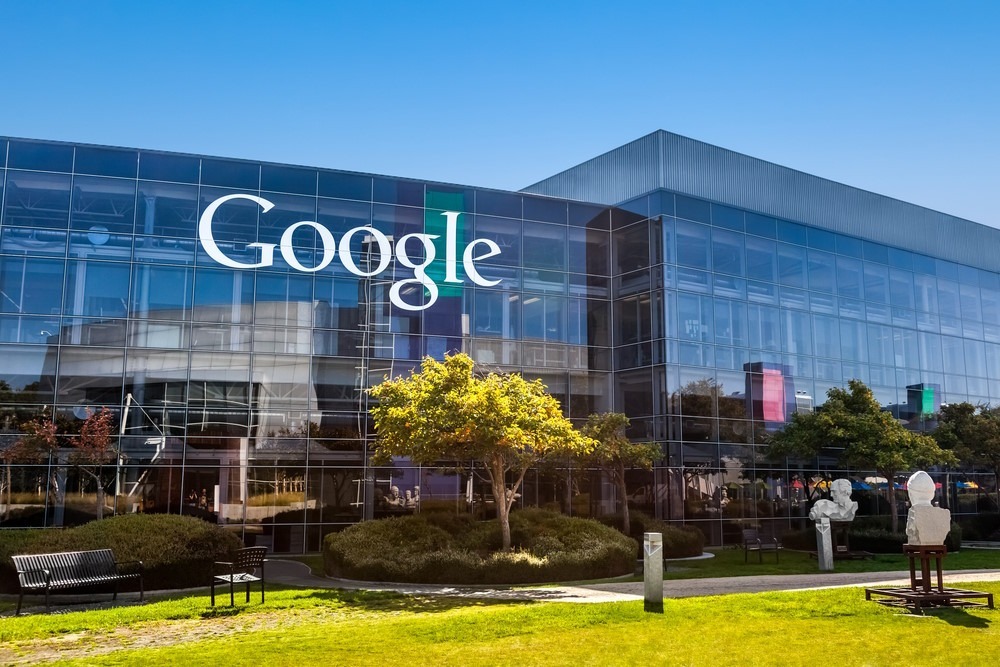
Google has found a moment of relief in a crucial antitrust battle in US history. The Department of Justice and a number of US states requested that Google Chrome, the country’s most popular online browser, be taken down, but Judge Amit Mehta rejected their motion on September 2. The court has decided to permit Chrome to stay under Google’s control, while introducing new restrictions aimed at reducing anti-competitive practices.
The ruling restricts Google’s ability to structure deals and manage data, even as it retains Chrome. The court has barred Google from engaging in exclusive agreements that would provide its search engine with preferential treatment on platforms such as Chrome, Google Assistant, or the Gemini app. It also required Google to share parts of its search index and query data with competitors on fair terms, allowing rivals to create their own search products with improved access to data. The judge notably opted against requiring Google to divest Chrome or to stop compensating partners entirely. Google can still strike deals, like the one with Apple that maintains its status as the default search engine on Safari, provided these agreements are not exclusive to the extent that they hinder competitors.
For years, Google has faced legal disputes to maintain its dominance in the online search landscape. The Department of Justice, along with several states, initiated a lawsuit in 2020, claiming that Google has unlawfully monopolized the search and search advertising markets, harming competitors. The case centered on the company’s substantial payments to ensure Google Search became the default option on browsers, smartphones, and devices. The government claimed that these agreements obstructed competition from competitors such as Bing and DuckDuckGo. One proposed solution involved a structural breakup — specifically, requiring Google to divest Chrome. Chrome stands out as more than just a browser; it serves as a robust gateway to Google Search. Chrome dominates the market share on desktop computers and is pre-installed on billions of Android smartphones. The Justice Department contended that this provided Google with an unfair advantage and limited users within its ecosystem. The court’s ruling against divestiture ultimately protected Chrome for Google, preserving a vital distribution channel while also instituting behavioral safeguards.
OpenAI’s launch of ChatGPT in November 2022 sent shockwaves through Silicon Valley and Google, impacting the landscape in unforeseen manners. Initially seen as a potential threat, the chatbot emerged as an unexpected asset in court. Judge Mehta observed that tools such as ChatGPT, Perplexity, and Claude are reshaping the way users seek information, bringing genuine competition to the conventional search model. The shift questioned the government’s assertion that Google maintained an unassailable hold on search. AI has not replaced Google Search, but its increasing use indicated to the court that the market is changing — and that Google faces competition. Antitrust law, also known as competition law, aims to prevent companies from leveraging their dominance to suppress competition. In traditional markets, attention frequently turns to the damage caused to consumers by increasing prices. In digital markets, where services such as search are offered at no cost, focus turns to the obstacles that hinder competition. Possible remedies may include fines and regulatory modifications; in extraordinary circumstances, they could lead to the dissolution of a company.
The court chose conduct-based remedies over structural ones in Google’s case. Chrome serves as a crucial entry point to Google Search, particularly on desktop and Android platforms. By keeping operations in-house, Google can steer traffic and bolster its advertisement-supported business model. Reports reveals that over 75 percent of its revenue for 2024 came from online advertising. Search and other ad revenues generated $198.1 billion. Chrome commands a substantial share of approximately 70 percent of the global desktop browser market. On mobile, “Chrome for Android” is the most widely used browser version worldwide. Chrome remains the leading browser worldwide, despite regional variations. Chrome faces international scrutiny as well. The Competition and Markets Authority in the UK is closely watching Google’s “Privacy Sandbox,” which seeks to replace third-party cookies with innovative advertising technology.
The CMA has postponed or altered specific aspects of the rollout to safeguard competition. The EU’s new Digital Markets Act mandates that Google provide users with “choice screens” during the setup of Chrome or Android, allowing them to select from various alternative browsers and search engines. Exclusive distribution agreements regarding Chrome, Search, Assistant, or Gemini are prohibited. Google has sidestepped the worst-case scenario — losing Chrome — but now faces stricter regulations in a more competitive environment. The AI shift may have contributed to the preservation of Chrome; however, it also indicates that Google’s dominance in search is now encountering competition.