High Seas Treaty establishes ocean protection laws
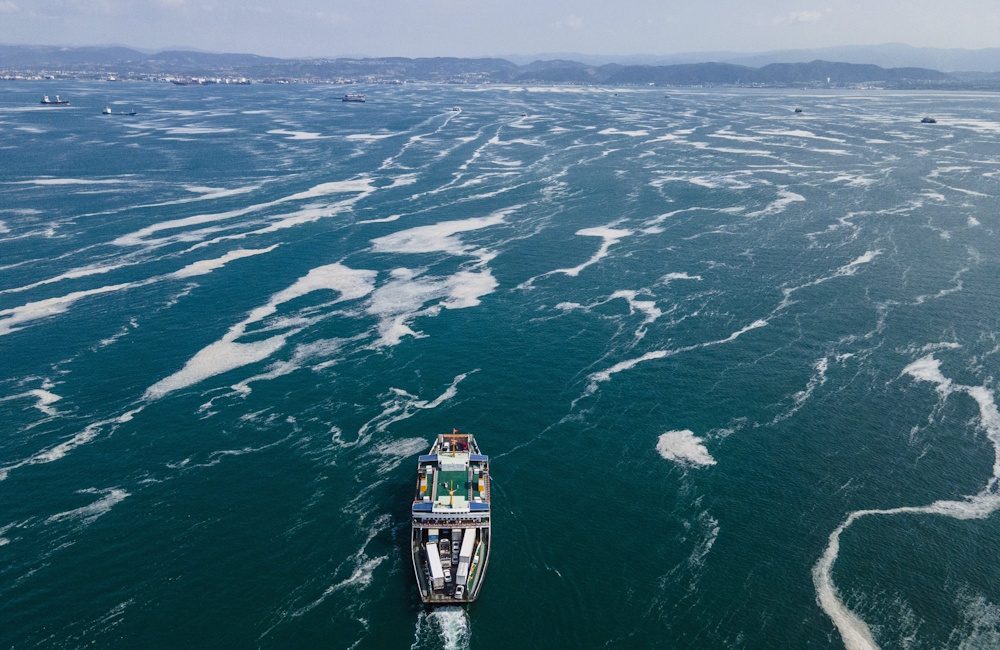
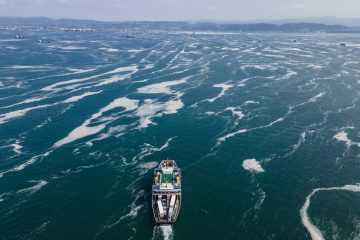
The world’s first legally binding agreement to protect marine life in international waters took effect Saturday, marking a significant milestone for ocean conservation after nearly two decades of negotiations. The High Seas Treaty will regulate almost half of the Earth’s surface, encompassing the expansive ocean regions that lie beyond the jurisdiction of any nation. The waters are increasingly endangered by harmful fishing practices, shipping activities, plastic pollution, overfishing, and the looming threat of deep sea mining, all exacerbated by climate change. The ocean absorbs carbon dioxide and produces oxygen, making its health critical for addressing the climate crisis. The treaty came into effect 120 days after achieving the necessary ratification from 60 countries in September. As of Friday, 83 countries had ratified it, with the recent inclusion of significant maritime powers like China and Japan. The treaty establishes the inaugural framework for the creation of Marine Protected Areas on the high seas, which constitute approximately two-thirds of the world’s ocean. At present, merely about 1 percent of these international waters enjoys protection. Starting Saturday, countries that have ratified must collaborate on ocean science and technology, while also assisting developing nations in enhancing their capacity to engage in ocean governance. Companies intending to engage in activities that may adversely affect marine life are required to carry out environmental impact assessments that align with the treaty’s standards. Researchers exploring ocean organisms with potential commercial applications, including new medicines, are required to inform other nations and disseminate their discoveries.
Countries must now promote the treaty’s conservation goals when participating in other international bodies that regulate ocean activities, such as regional fisheries organisations, the International Maritime Organisation, and the International Seabed Authority. As essential institutions such as the treaty’s secretariat and scientific body continue to take shape, nations can start formulating proposals for Marine Protected Areas without delay. Possible locations encompass the Emperor Seamounts in the North Pacific, the Sargasso Sea in the Atlantic, and the Salas y Gomez and Nazca Ridges off the coast of South America. Conservationists caution that governments need to take swift action to meet the global objective of safeguarding 30 percent of the world’s oceans by 2030, a target that experts assert is essential for the health of our oceans. The high seas constitute a significant expanse of the oceans, making their protection crucial to achieving that objective.
“The marine protected areas under the treaty will only be as strong as the governments make them,” said Megan Randles. We cannot rely on major players in the fishing industry to voluntarily cease fishing in these vital ecosystems. It is essential for governments to leverage the treaty to compel action. The methods for monitoring and enforcing those protected areas remain unresolved. “Countries are exploring various options, from satellite technology to coordinating patrols between multiple nations to using other UN agencies to help with oversight,” said Rebecca Hubbard. The specifics will be finalized as the initial protected areas begin to develop. In the coming year, the inaugural Conference of Parties for the treaty will convene to determine essential operational specifics, including budgets and the composition of various committees. Countries have been addressing numerous questions during preparatory meetings, with a concluding session set for late March.
The earliest that any Marine Protected Areas could realistically gain approval would be at the second COP, as the scientific body responsible for reviewing proposals has not yet been formed. The United States has signed the treaty; however, it has not ratified it. This status allows the country to participate as an observer, yet it will not possess voting rights. According to international law, countries that sign treaties are anticipated to adhere to the treaty objectives prior to ratification. “The High Seas Treaty has such incredibly broad and strong political support from across all regions of the world,” said Hubbard. While it is disappointing that the US has not yet ratified, this does not diminish its momentum and the support it has already garnered. Advocates stress that widespread backing must now translate into swift execution. “The treaty is a sign that in a divided world, protecting nature and protecting our global commons can still triumph over political rivalries,” Randles said. The ocean unites us all.