Gas Prices Surge Over $4 Amid Iran Conflict
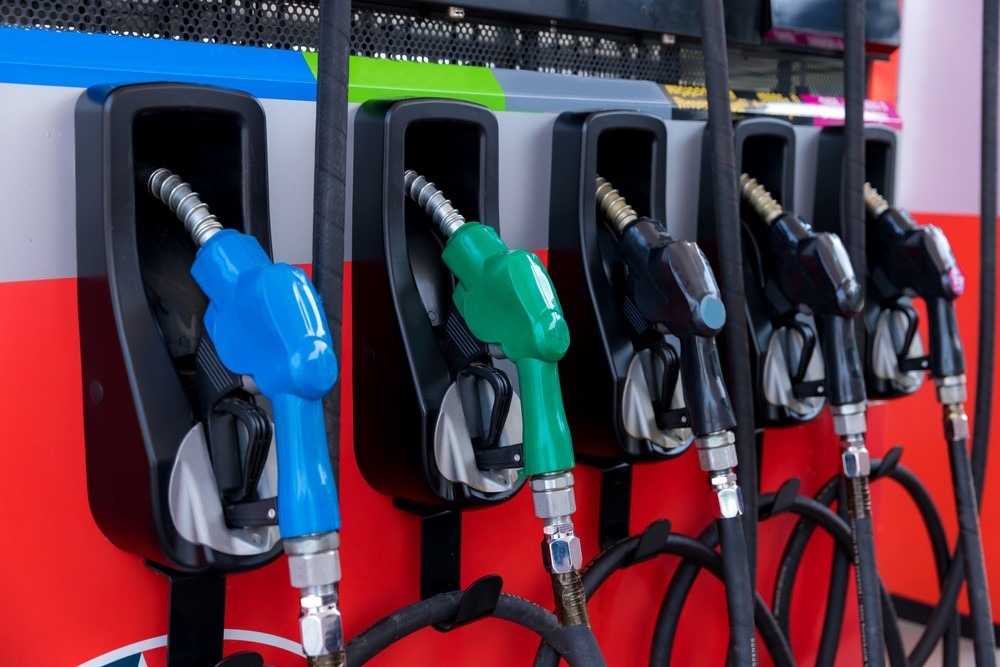
On Tuesday, US gas prices surpassed an average of $4 a gallon for the first time since 2022, driven by the escalation of the conflict in Iran, which has led to a significant increase in fuel prices globally. The national average price for a gallon of regular gasoline has reached $4.02, as reported, reflecting an increase of over a dollar since the onset of the war. The last occasion when US drivers faced such elevated fuel prices was almost four years prior, in the aftermath of Russia’s incursion into Ukraine. The price reflects a national average, indicating that motorists in certain states have been experiencing costs exceeding $4 per gallon for an extended period. Prices exhibit variation across states, influenced by factors such as proximity to supply sources and the disparities in tax rates. Following the initiation of a joint military operation by the US and Israel against Iran on February 28, there has been a notable increase and volatility in the price of crude oil, which is a critical component in gasoline production. The conflict has resulted in significant disruptions to supply chains and reductions in output from key oil producers throughout the Middle East. Motorists globally are navigating the challenges posed by elevated gas prices as a consequence of the ongoing conflict. In Paris, for example, gas is priced at 2.34 euros per litre, equivalent to approximately $10.27 per gallon. High gasoline prices may exert downward pressure on the economy and contribute to inflationary trends in other sectors. Rising gas prices are exerting pressure on consumers and businesses alike, as numerous households grapple with escalating cost of living challenges. As consumers allocate a larger portion of their budgets to essential expenditures such as fuel, it is likely that they will need to reduce spending in other areas.
Increased fuel costs can lead to higher expenditures across various sectors, influencing utility bills and the prices of numerous everyday consumer goods. In the near term, experts highlight groceries, which require regular restocking and may experience price increases as transportation costs for businesses escalate. However, the transportation of additional cargo and packages has also experienced repercussions. The United Postal Service is, for instance, pursuing a temporary surcharge of 8 percent on select popular offerings, including Priority Mail. The average price of diesel fuel in the United States, which is essential for numerous freight and delivery trucks, currently stands at $5.45 per gallon. This marks an increase from approximately $3.76 per gallon prior to the onset of the war, according to source. If the conflict persists, it is conceivable that those prices may increase further. The majority of tanker activity in the critical Strait of Hormuz, through which approximately one-fifth of global oil usually transits, continues to be suspended. This situation has resulted in reductions from significant producers in the area, who find themselves unable to transport their crude to market. In the interim, Iran, Israel, and the United States have targeted oil and gas facilities, exacerbating supply apprehensions. Reserves are being opened in an effort to reduce prices. The International Energy Agency has committed to releasing 400 million barrels of oil from the emergency stockpiles of its member nations in an effort to provide some relief. This encompasses the United States, even though Trump initially minimized the necessity for reserve oil.
The Trump administration has also relaxed sanctions to facilitate the release of certain oil supplies from Venezuela, as well as temporarily from Russia. The White House has announced that it will waive maritime shipping requirements under the Jones Act, a law that has been in place for over a century, for a period of 60 days. The efficacy of those efforts in providing relief for consumers remains uncertain. Numerous variables influence gas prices. Refineries procure crude oil ahead of time, indicating that some may be operating with higher-cost oil for an extended period, and it will require time for any new supply to reach consumers. Steep crude prices are a primary factor contributing to today’s surge, as US gas prices generally experience a slight increase during this season. The increase in the number of drivers on the road is contributing to a heightened demand for fuel as individuals seek to refuel while the opportunity persists. As temperatures rise, there is a transition to summer blend fuel, which incurs higher production costs compared to its winter counterpart. The United States operates as an oil exporter; however, it remains susceptible to fluctuations in global prices. The United States, functioning as a net oil exporter, has not experienced as pronounced a shock compared to other regions that depend more significantly on fuel imports from the Middle East, particularly Asia. However, this does not imply that America is shielded from price surges.
Oil functions as a commodity that is traded on a global scale. Most of the production in the US consists of light, sweet crude; however, the refineries located on the East and West coasts are predominantly configured to handle heavier, sour products. Consequently, the nation requires imports as well. Escalating geopolitical conflicts have disrupted oil flows and contributed to a surge in gas prices historically. The average price of regular gasoline in the United States reached its peak of over $5 per gallon in June 2022, approximately four months following the onset of the Ukraine conflict and the subsequent sanctions imposed on Russia, a major player in the oil market. Subsequently, fuel prices at the pump experienced a decline from that peak. Prior to Tuesday, according to data, the national average had remained under the $4 threshold since mid-August 2022.